Ahoy there, matey! Did you know that Talk Like a Pirate Day is celebrated by millions worldwide, despite being completely made up by two guys playing racquetball in 1995? What started as an inside joke between John Baur and Mark Summers has somehow sailed into the mainstream, spawning corporate campaigns, educational programs, and enough “arrrs” to make actual pirates roll in their watery graves.
What started as an inside joke between two guys playing racquetball has somehow sailed into the mainstream. 🏴☠️
This September 19th phenomenon represents something beautifully absurd about modern culture: our collective need to embrace silliness in an increasingly serious world. It’s like Halloween’s quirky cousin who shows up uninvited but ends up being the life of the party! Let’s dive into this delightfully ridiculous celebration that proves sometimes the best traditions are the ones we invent ourselves.
How Two Racquetball Players Accidentally Created a Global Holiday
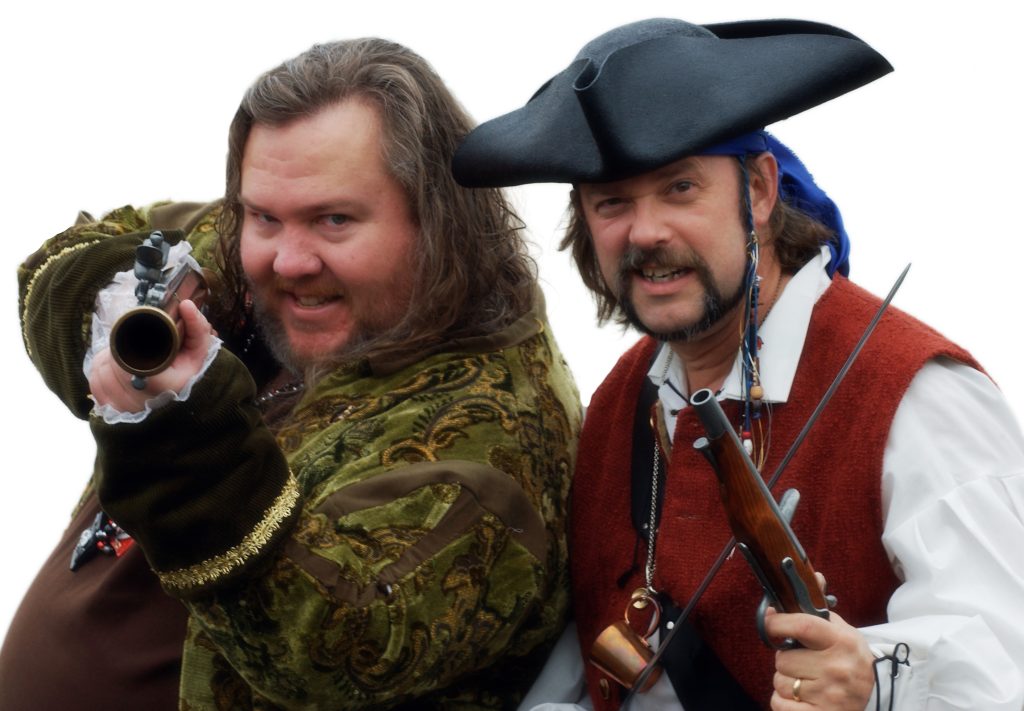
Look, if someone told you that a random Wednesday afternoon in Albany, Oregon would birth one of the internet’s most beloved invented holidays, you’d probably think they’d been sampling too much rum. But that’s exactly what happened on June 6, 1995, when John Baur (Ol’ Chumbucket) and Mark Summers (Cap’n Slappy) were getting their butts kicked at racquetball.
The story goes that one of them got injured and instinctively blurted out “Arrr!” instead of the usual string of unprintable words. Instead of brushing it off like normal people, these two decided to spend the rest of their game talking exclusively like pirates. Because apparently, that’s what happens when endorphins meet questionable decision-making skills.
🏴☠️ The Evolution of Talk Like A Pirate Day
1995
Racquetball Game
2002
Dave Barry Column
2025
Global Phenomenon
But here’s where it gets interesting. They didn’t just forget about their silly afternoon. They kept celebrating their made-up holiday every year, even sending letters to advice columnist Dave Barry in 2002. Barry, being the humor genius he is, wrote about it in his Miami Herald column, and suddenly the whole thing exploded across the early internet like a viral cannonball.
The choice of September 19th wasn’t some deep historical reference or astrological alignment. It was Mark’s ex-wife’s birthday, which he figured he’d never forget. Talk about turning lemons into pirate grog! Sometimes the most random dates become the most memorable ones.
What really gets me is how this perfectly captures the pre-social media era of internet culture. No algorithms, no influencer marketing campaigns; just two dudes, a newspaper column, and the collective human desire to do something completely ridiculous together.
The Surprisingly Serious Business of Modern Pirate Celebrations
You’d think Talk Like a Pirate Day would stay in the realm of internet jokes and office water cooler conversations, but corporate America grabbed this thing faster than a pirate snatching treasure. And honestly? Some of the campaigns are genuinely clever.

Krispy Kreme used to give out free donuts if you talk like a pirate (one dozen if you’re dressed like one, now that’s what I call return on investment). Long John Silver’s practically transforms into a themed restaurant for the day. Even tech companies get in on the action; Facebook used to change its interface language to “Pirate” as an option, complete with “Arrr ye matey!” notifications.
Educational institutions have embraced this too, which is kinda brilliant when you think about it. Teachers use pirate day as a gateway drug to actual maritime history. Kids learn about longitude and latitude while planning treasure hunts, study ocean currents while tracking pirate routes, and discover real historical figures like Anne Bonny and Blackbeard. It’s sneaky educational content disguised as fun, and frankly, more subjects should take notes.
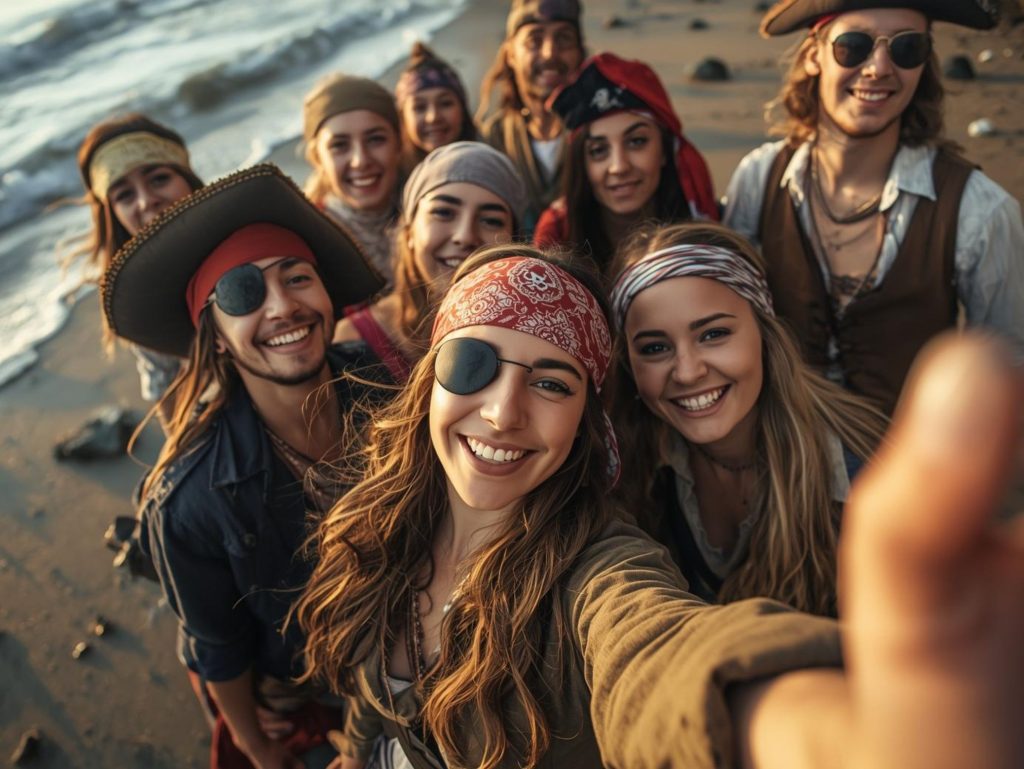
The international reach is what really blows my mind though. Countries that never had significant pirate activity are hosting Talk Like a Pirate Day events. There’s something universally appealing about the pirate archetype that transcends cultural boundaries. Maybe it’s the rebellion aspect, or the romance of adventure, or just the excuse to say “arrr” without looking completely unhinged.
Social media has obviously amplified everything. #TalkLikeAPirateDay trends globally every September 19th, with people posting pirate selfies, workplace celebrations, and increasingly elaborate pirate persona videos. The hashtag generates millions of posts annually, proving that sometimes the internet’s collective sense of humor aligns in beautiful ways.
Master the Art of Pirate Speak Without Sounding Like a Tourist
Okay, let’s be real. Most people’s pirate vocabulary extends about as far as “arrr” and “matey”, which is like trying to speak French with just “bonjour” and “croissant”. If you’re gonna embrace your inner buccaneer, you might as well do it with some style, right?

The foundation of pirate speak isn’t just throwing in random “arrrs” everywhere like seasoning on bland food. Real pirate language (or at least our romanticized version of it) has structure. “Ahoy” is your go-to greeting. It works for hello, goodbye, and getting someone’s attention. “Avast” means stop or pay attention. “Belay” means to stop or disregard what was just said, super useful in meetings when you need to backtrack.
Here’s where it gets fun though: pirate grammar is delightfully loose. Drop your “g”s (“sailin'” instead of “sailing”), use “ye” instead of “you”, and throw in some nautical terms where they don’t belong. Instead of “I’m going to the bathroom”, try “I’m headin’ to the head.” Instead of “let’s eat”, go with “let’s break our fast” or “time to fill the hold”.
The advanced stuff is where you can really impress people (or annoy them, depending on your audience). “Batten down the hatches” for preparing for trouble. “Shiver me timbers” for expressing surprise. “Savvy?” as a question tag instead of “understand?” And if you really want to commit, start using “me” instead of “my”: “me hearty” instead of “my friend”.
A well-placed ‘arrr’ is worth ten forced nautical metaphors. 🏴☠️
But here’s the thing: don’t overdo it. The charm of pirate speak is in the playfulness, not in making every conversation sound like a rejected Pirates of the Caribbean script. The goal is fun, not linguistic accuracy. Real pirates probably didn’t talk like this anyway.
Why Adults Go Wild for Pretending to Be Pirates

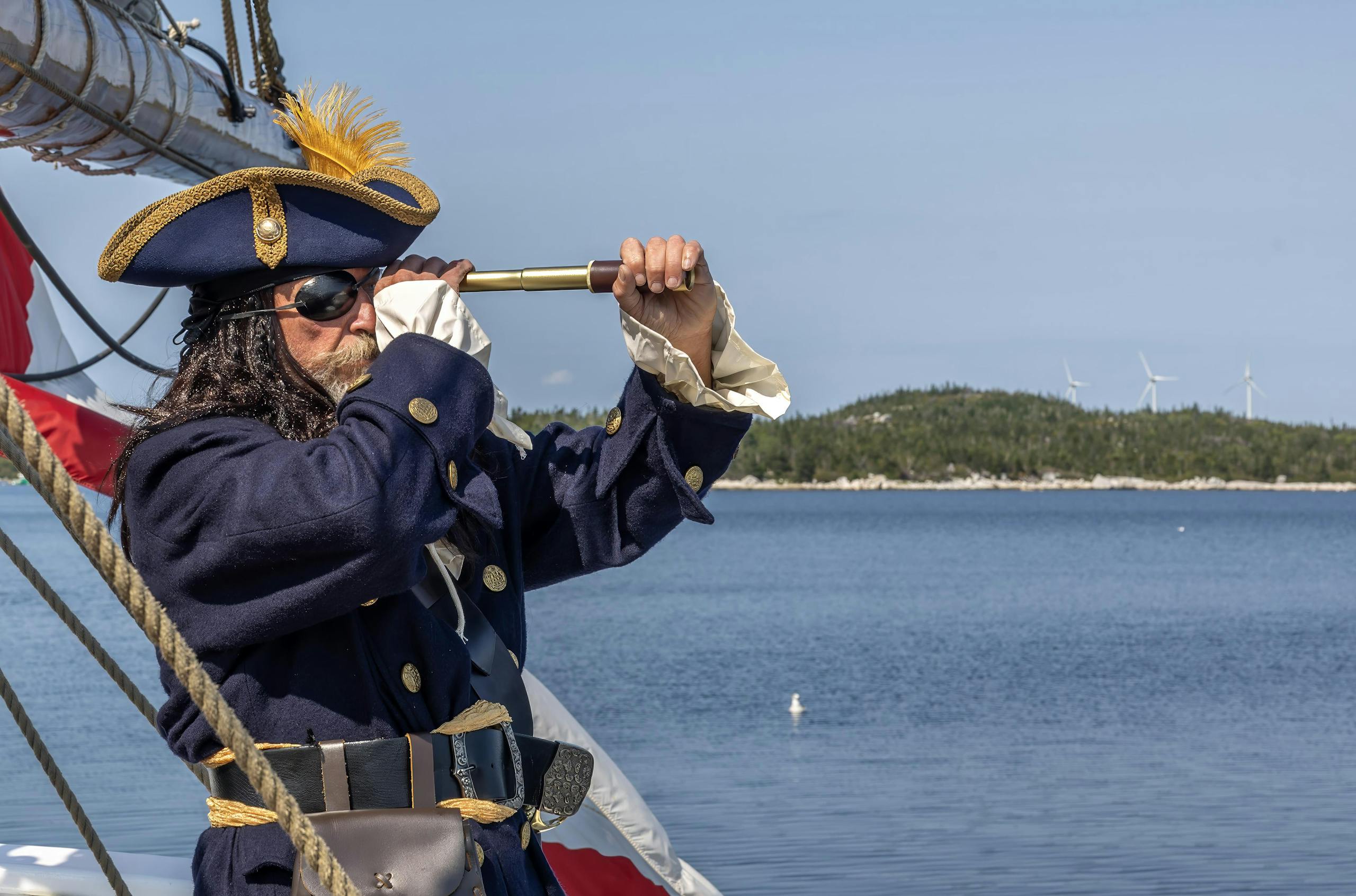
There’s something deeply satisfying about Talk Like a Pirate Day that goes way beyond just speaking in funny accents. It taps into this primal human need to play dress-up and adopt personas, which most of us had to abandon somewhere around age twelve when society decided we needed to be “mature”.
Think about it. Pirates represent everything we’re not supposed to be in polite society. They’re rebellious, they live by their own rules, they sail around having adventures instead of sitting in meetings about meetings. For one day, we get to channel that energy without actually, you know, committing any crimes or dealing with scurvy.

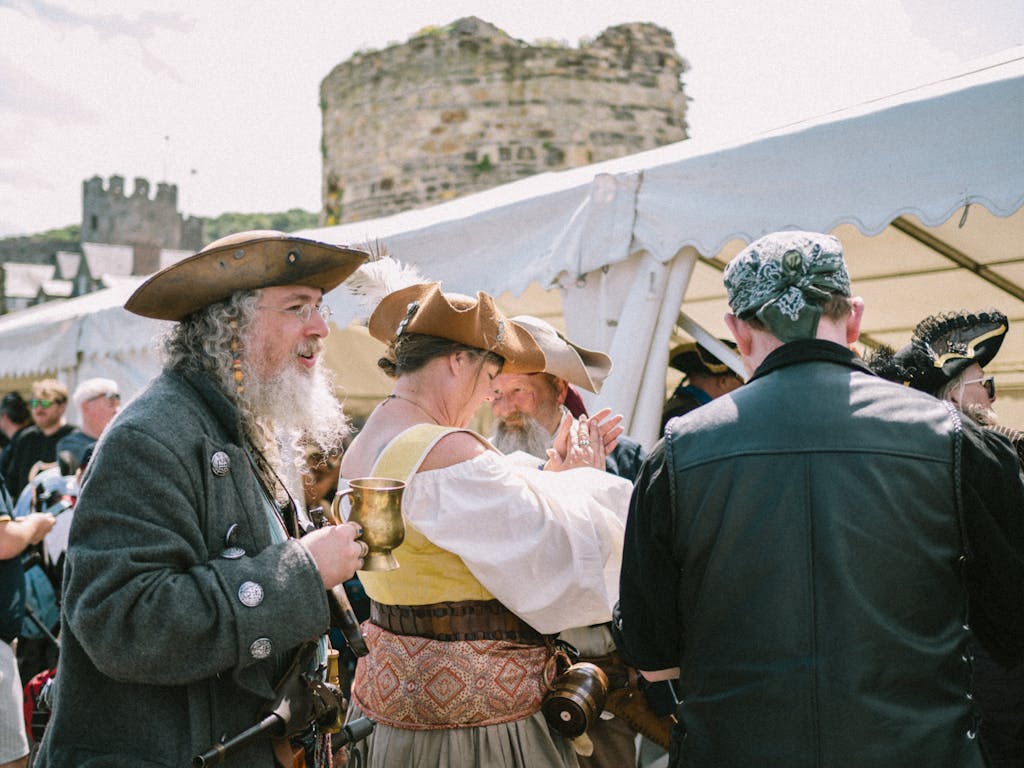
The psychology behind this is actually pretty fascinating. Role-playing and persona adoption release stress in ways that regular relaxation techniques sometimes can’t touch. When you’re talking like a pirate, you’re temporarily stepping outside your normal identity and all the baggage that comes with it. Your mortgage payments don’t matter to Captain Bloodbeard. Your performance review can’t touch Scarlett the Fierce.
There’s also this element of shared rebellion that’s completely safe. Everyone knows it’s pretend, everyone’s in on the joke, but for a few hours, we’re all part of this loose confederation of landlubbers playing pirate. It’s like a flash mob of silliness that happens annually across the globe.
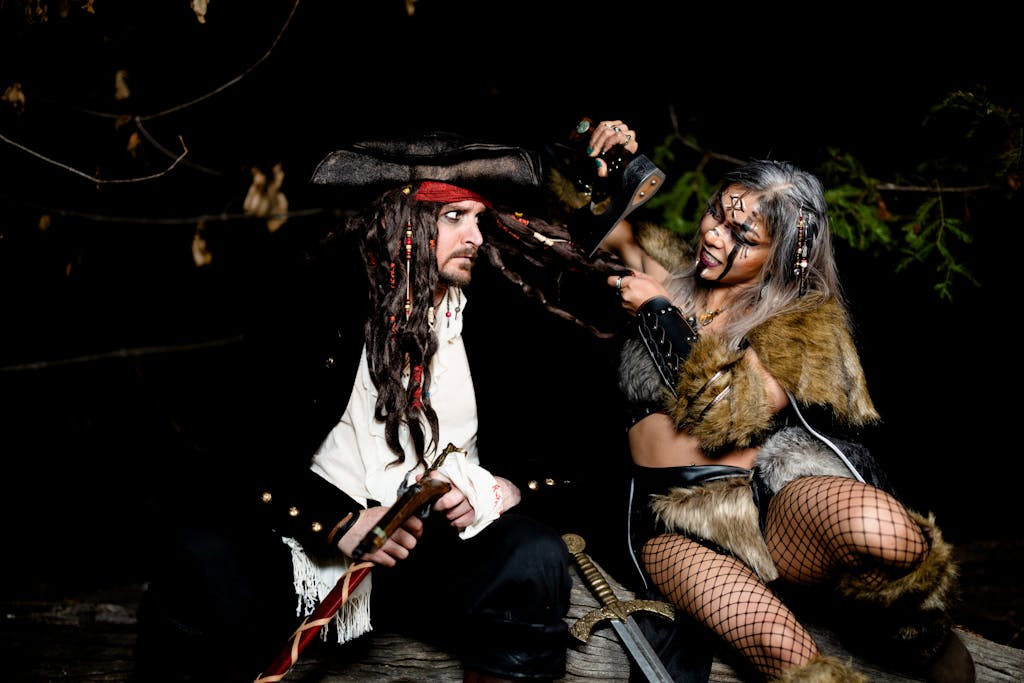
And let’s be honest, the pirate aesthetic just works. The clothes are dramatic, the accessories are fun (who doesn’t want to wear a tricorn hat?), and the swagger is built right in. Pirates are the perfect fantasy identity: dangerous enough to be exciting, historical enough to be educational, and silly enough that nobody takes it too seriously.
Reality Check: What Real Pirates Were Actually Like
Now, before we get too carried away with our romantic notions of pirate life, let’s pour some cold water on this whole fantasy. Real pirates weren’t swashbuckling heroes having charming adventures; they were basically maritime criminals dealing with some seriously harsh realities.
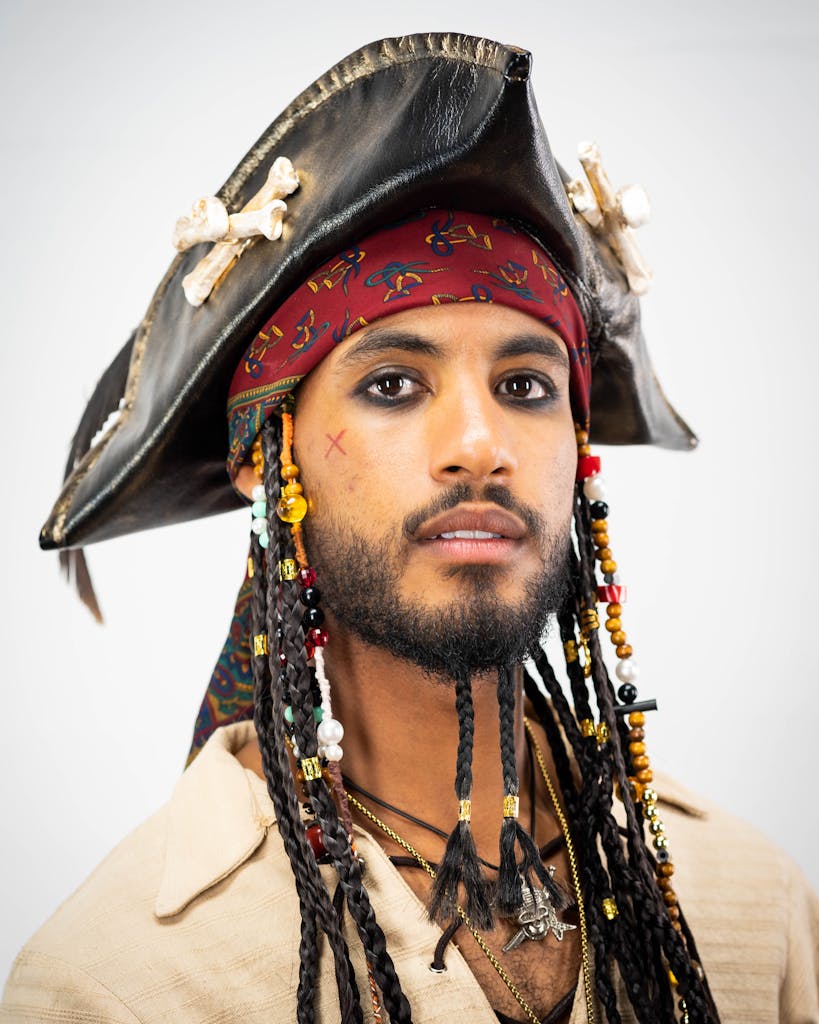
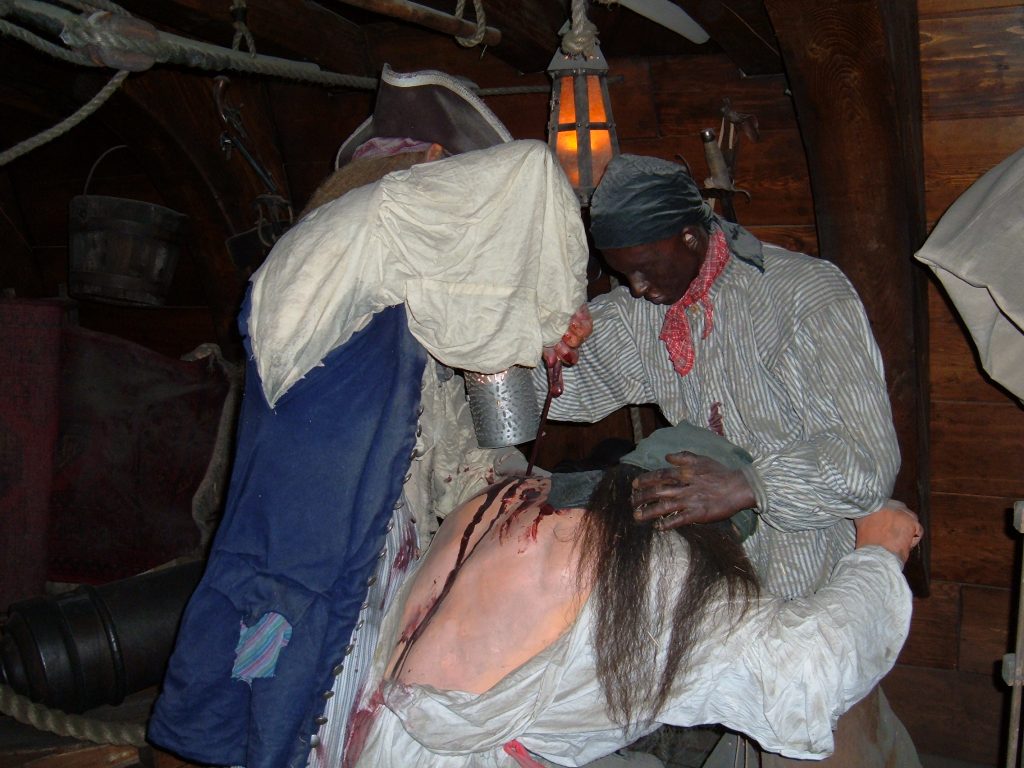
Life aboard a pirate ship was brutal. We’re talking about cramped quarters, terrible food, constant threat of disease, and violence that would make modern horror movies look tame. Most pirates died young and poor, not from dramatic sword fights but from diseases like typhoid and yellow fever. The whole “pieces of eight and buried treasure” thing? Mostly fiction. Pirates spent their money as fast as they stole it, because tomorrow wasn’t guaranteed.
The gender dynamics were way more complex than Hollywood suggests though. While most crews were male-dominated, there were some legitimately badass female pirates who commanded respect through sheer force of will. Anne Bonny and Mary Read are the famous ones, but historical records suggest there were others who managed to thrive in an incredibly hostile environment.
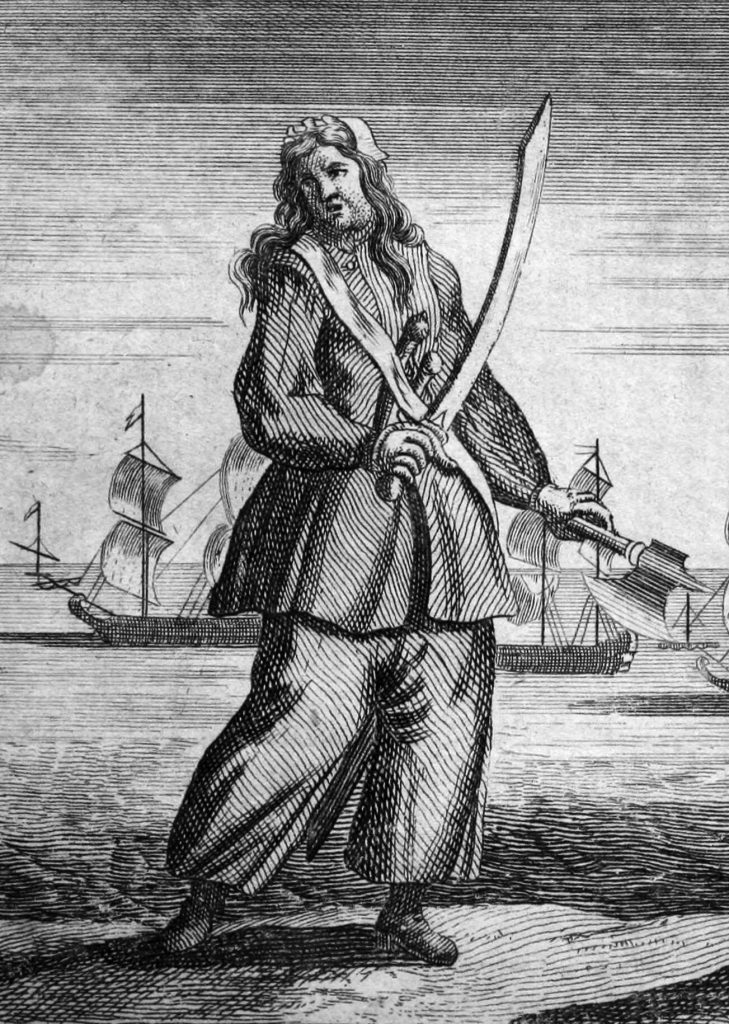
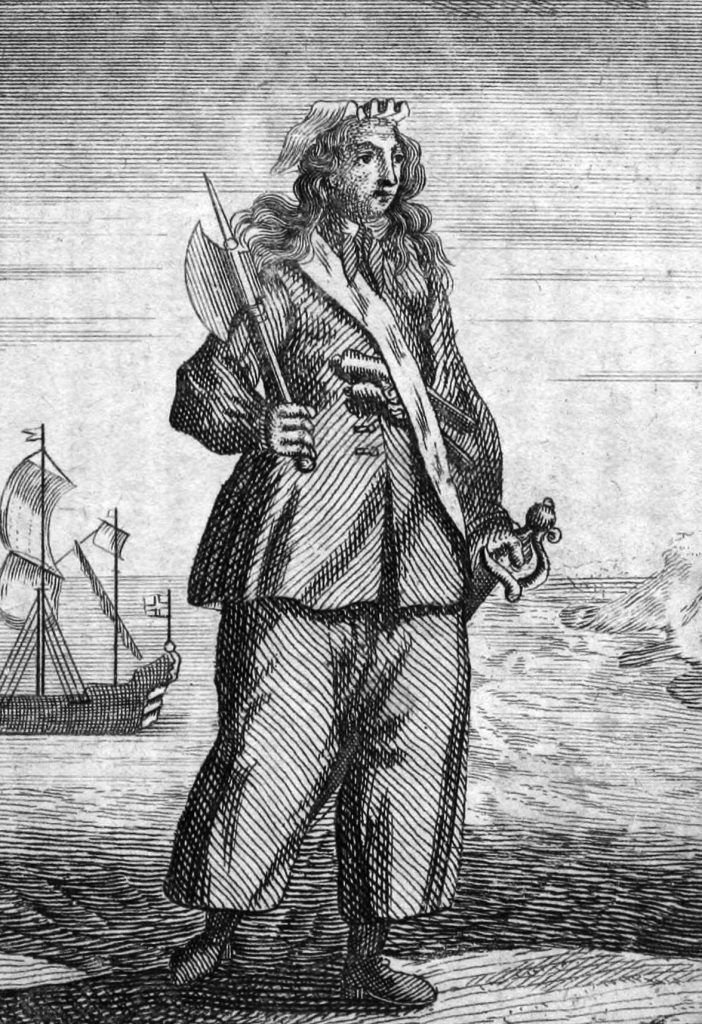
Caribbean piracy, which is what most people think of as “real” piracy, only lasted about 30 years during the so-called Golden Age (roughly 1650-1680). Mediterranean pirates had been around for centuries, and Asian piracy was a completely different beast with different rules and motivations. The pirates we celebrate on September 19th are really an amalgamation of different historical periods and regions, filtered through centuries of storytelling.
The irony is that our modern pirate mythology was largely shaped by Robert Louis Stevenson’s “Treasure Island”, published in 1883, which was already romanticizing pirates who had been dead for 200 years. Then Hollywood took Stevenson’s romanticized version and cranked up the charm even further. By the time Johnny Depp showed up as Jack Sparrow, we were about as far from historical accuracy as you can get while still using the same basic vocabulary.
Creative Ways to Celebrate Without Getting Fired
The beauty of Talk Like a Pirate Day is its flexibility: you can go full Captain Hook or just sprinkle in a few “ahoys” throughout your day. The key is reading your room and adjusting your pirate intensity accordingly.

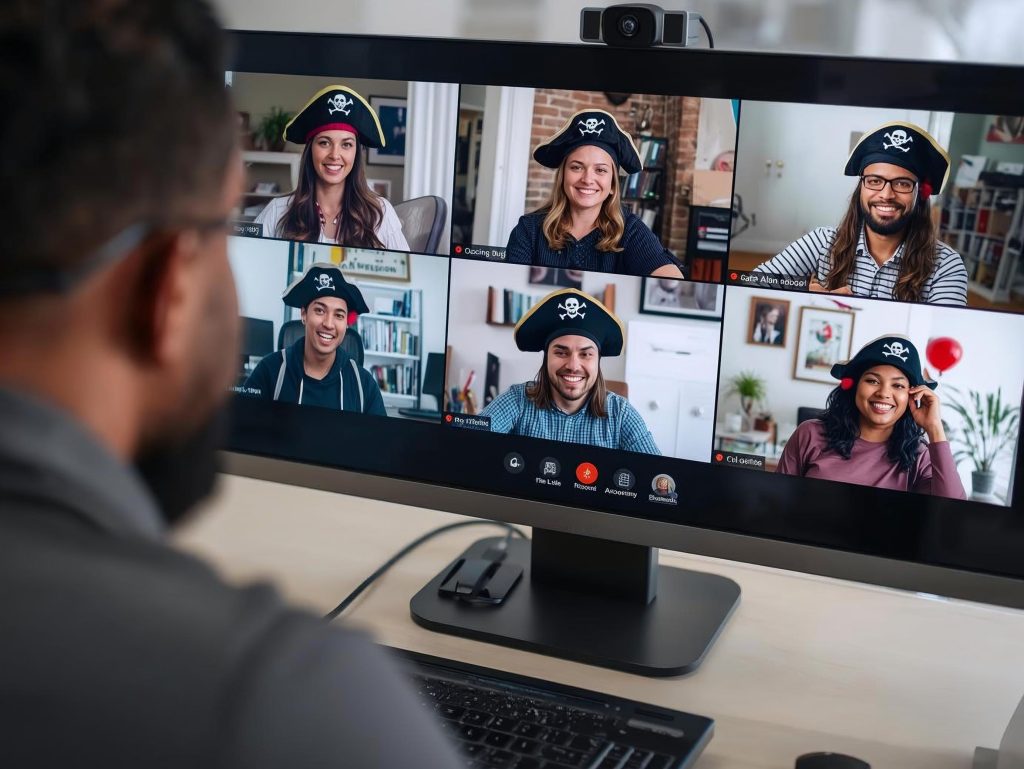
For workplace celebrations, start subtle. Drop a few “ahoys” in your emails, sign off with “fair winds”, or use pirate terminology in meetings (“Let’s chart a course for Q4 success”). Most office environments can handle this level of pirate infiltration without HR getting involved. If your workplace is more conservative, stick to written communications where tone is harder to judge.
If you’ve got a cool boss or work in a creative environment, coordinate with your team. Designate different crew roles (quartermaster, navigator, lookout), have a treasure hunt for office supplies, or hold your meetings “ship-to-ship” over video calls with appropriate backgrounds. Just make sure actual work gets done, nothing kills the pirate spirit like missing deadlines because everyone was too busy saying “arrr”.

For families, this holiday is pure gold. Kids absolutely lose their minds for pirate day. Set up treasure hunts around the house or yard, teach them basic knots (practical life skills disguised as pirate training), or have them design their own pirate flags. Cooking together is great too: “pirate stew” is just regular stew with a more exciting name, and “grog” can be anything from apple juice to fancy hot chocolate.
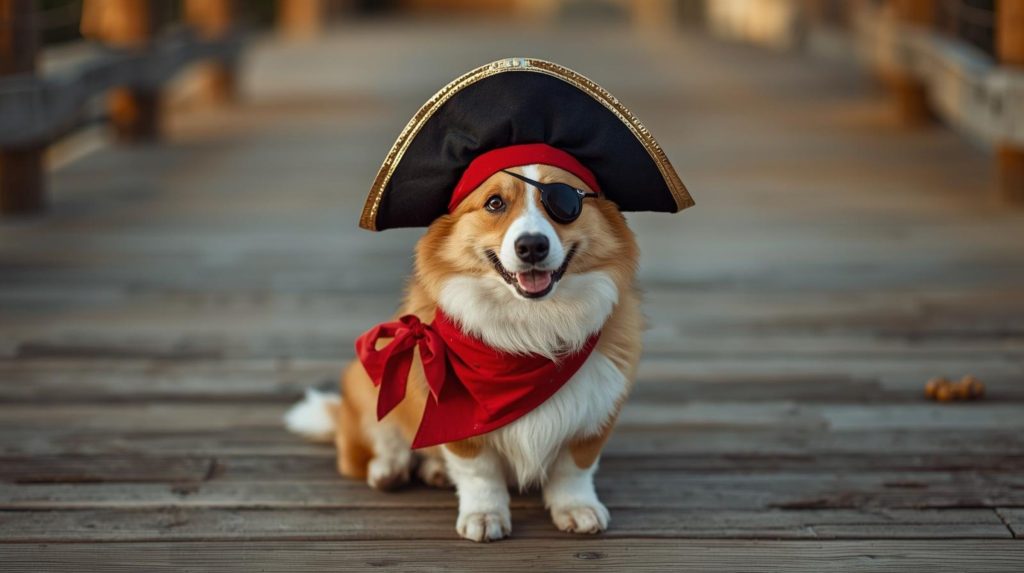

Social media celebrations have gotten pretty creative. The whole “pirate name generator” thing never gets old, posting photos of your pets in pirate gear is always a winner, and pirate-themed cocktail recipes perform surprisingly well online. If you’re feeling ambitious, coordinate with friends for group photos or video challenges.
The virtual celebration angle has really taken off since remote work became more common. Online teams are hosting pirate-themed video calls, playing browser-based pirate games together, and even running virtual escape rooms with pirate themes. It’s actually easier to maintain a pirate persona over video chat than in person; the screen naturally frames you like a portrait, which somehow makes the whole thing feel more theatrical.
What Talk Like a Pirate Day Says About Modern Holiday Culture
Here’s what really gets me about Talk Like a Pirate Day: it’s probably the most successful grassroots holiday creation in modern history, and it happened completely by accident. No marketing team planned this, no government declared it, no religious organization endorsed it. Two regular guys had a silly idea, shared it with the right person at the right time, and now millions of people participate annually.

This phenomenon reflects something interesting about how holidays work in the digital age. Traditional holidays often require infrastructure: Christmas needs retail support, Halloween needs costume industries, Thanksgiving needs food supply chains. But invented holidays like Talk Like a Pirate Day just need collective agreement and internet amplification. It’s democracy in action, except for something completely ridiculous.
The economics are fascinating too. Nobody owns Talk Like a Pirate Day, so any business can participate without paying licensing fees. It’s essentially free marketing content that writes itself every September 19th. Companies get to show their fun side, customers get entertainment value, and everyone wins except possibly the productivity metrics.


What’s really wild is how this compares to other attempts at holiday creation. Marketing departments spend millions trying to manufacture viral celebrations (“National Donut Day,” “International Coffee Day,” etc.), but most feel forced and corporate. Talk Like a Pirate Day works because it started organic and stayed silly. There’s no pressure to buy anything or feel grateful or honor anyone, just permission to be ridiculous for a day.
The staying power suggests we’re hungry for this kind of shared silliness. In a world where every conversation can become a political minefield, Talk Like a Pirate Day offers neutral territory where the biggest controversy is whether “arrr” should have one or two R’s. That’s genuinely valuable in ways the original creators probably never imagined.
Embracing the Beautiful Absurdity of Invented Traditions
Talk Like a Pirate Day proves that the best traditions don’t need centuries of history. Sometimes they just need heart, humor, and the perfect storm of internet culture. Whether you’re a seasoned sea dog or a first-time buccaneer, September 19th offers us something precious: permission to be ridiculous together.

What started as two friends goofing around has become a global celebration of playfulness, proving that sometimes the most meaningful traditions are the ones we create ourselves. In an era where everything feels manufactured and focus-grouped to death, there’s something refreshingly authentic about a holiday that exists purely because two people thought it would be fun.
So this year, don’t just talk like a pirate. Embrace the beautiful absurdity of a holiday that reminds us not to take ourselves too seriously. Whether you’re dropping subtle “ahoys” in work emails or going full costume for a themed party, you’re participating in something genuinely special: a tradition born from pure joy and sustained by collective silliness.
Life’s too short not to say ‘arrr’ with conviction at least once
a year. 🏴☠️
After all, in a world that often feels like it’s spinning out of control, maybe we need more celebrations that exist simply to make people smile. Life’s too short not to say “arrr” with conviction at least once a year. So mark your calendars, practice your pirate vocabulary, and get ready to unleash your inner buccaneer this September 19th!







.jpg)
