Picture this: millions of people descending on Munich for what’s essentially the world’s largest office party, except the office is a massive beer tent and your coworkers are strangers from every corner of the globe wielding enormous pretzels. Welcome to Oktoberfest! While most people think they know this Bavarian behemoth — lederhosen, beer steins, and oompah bands — there’s so much more lurking beneath those frothy surfaces. Did you know that despite its name, Oktoberfest actually starts in September? Or that it began as a royal wedding celebration in 1810 and accidentally became the world’s most famous drinking festival? This isn’t just about beer (though there’s plenty of that). It’s about experiencing authentic Bavarian culture, from traditional folk dancing to centuries-old culinary traditions that’ll make you rethink everything you thought you knew about German cuisine.
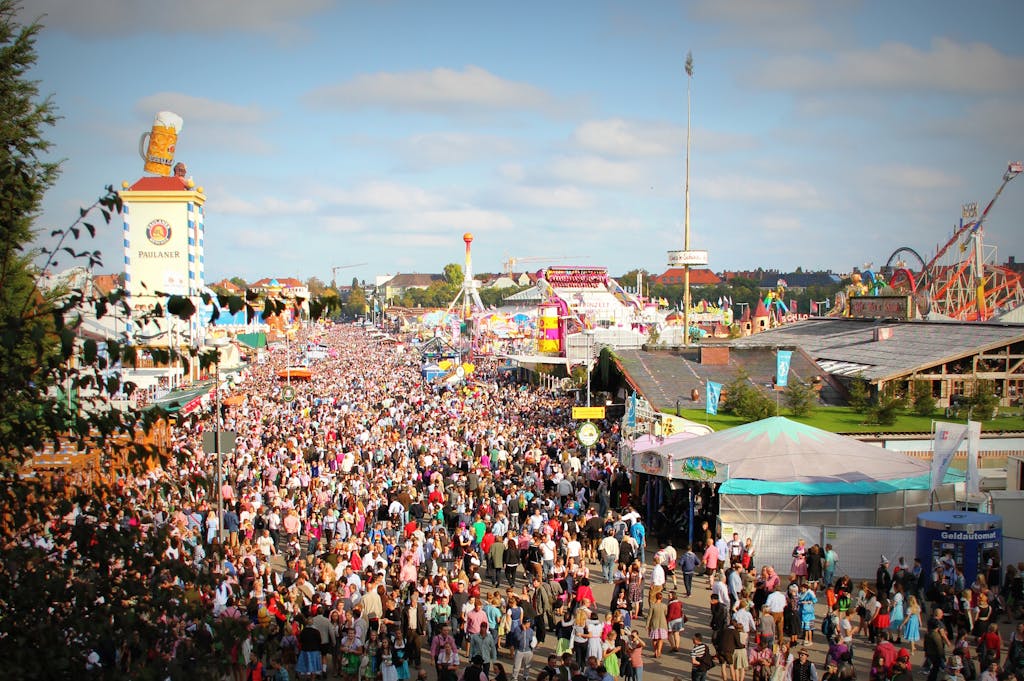
🍻Despite its name, Oktoberfest actually starts in September.🍻
How a Royal Wedding Accidentally Created the World’s Biggest Party (And Why It Almost Didn’t Survive)

Look, nobody sets out to create a 200-year-old tradition that attracts over 6 million visitors annually. Crown Prince Ludwig and Princess Therese just wanted a nice wedding celebration on October 12, 1810. They threw a party with horse races on the fields outside Munich, invited the whole city, and everyone had such a blast they decided to do it again the next year. Classic case of “that was fun, let’s make it a thing”.
🍻 Oktoberfest Timeline
1810
Royal Wedding
1840s
Beer Introduced
WWI / WWII
Festival Shutdowns
1950s
Modern Festival
But here’s where it gets interesting, this wasn’t some beer-fueled accident waiting to happen. The early festivals were actually about celebrating Bavarian agricultural achievements and regional pride. The beer came later, around the 1840s, when local breweries realized they had a captive audience of thousands of people standing around in fields. Genius marketing, really.
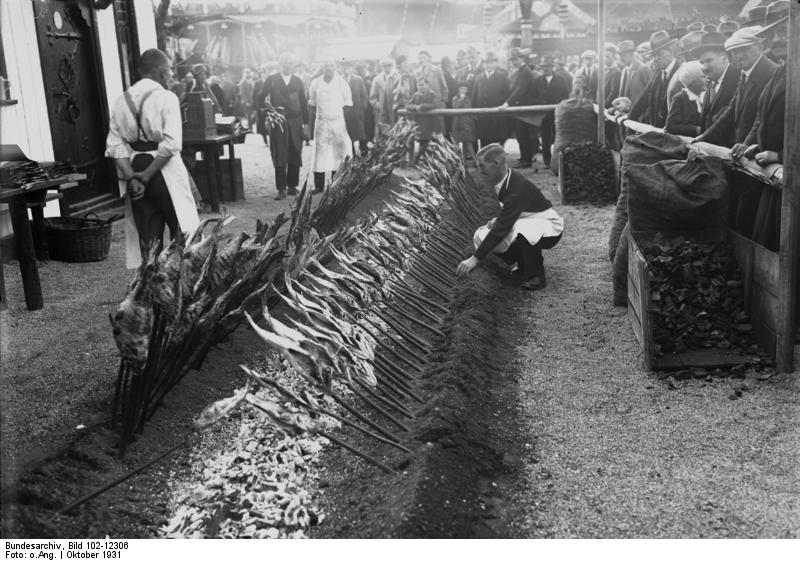
The festival survived some seriously rough patches too. World Wars I and II completely shut it down; turns out massive public gatherings and wartime don’t mix well. During WWII, they held small “autumn festivals” instead, which sounds depressingly bureaucratic compared to “Oktoberfest”. The modern festival we know today didn’t really take shape until the 1950s, when Munich rebuilt both its infrastructure and its party spirit. What’s wild is how the festival has evolved while staying true to its roots. The traditional costume competitions, folk dancing, and regional food specialties that started in the 1800s are still major draws today. But now you’ve also got carnival rides that would make Six Flags jealous and beer tents the size of airplane hangars.
🍻It’s like someone took a quaint village festival and fed it steroids for 200 years.🍻
Decoding Munich’s Beer Tent Hierarchy (Because Yes, There’s Definitely a Pecking Order)
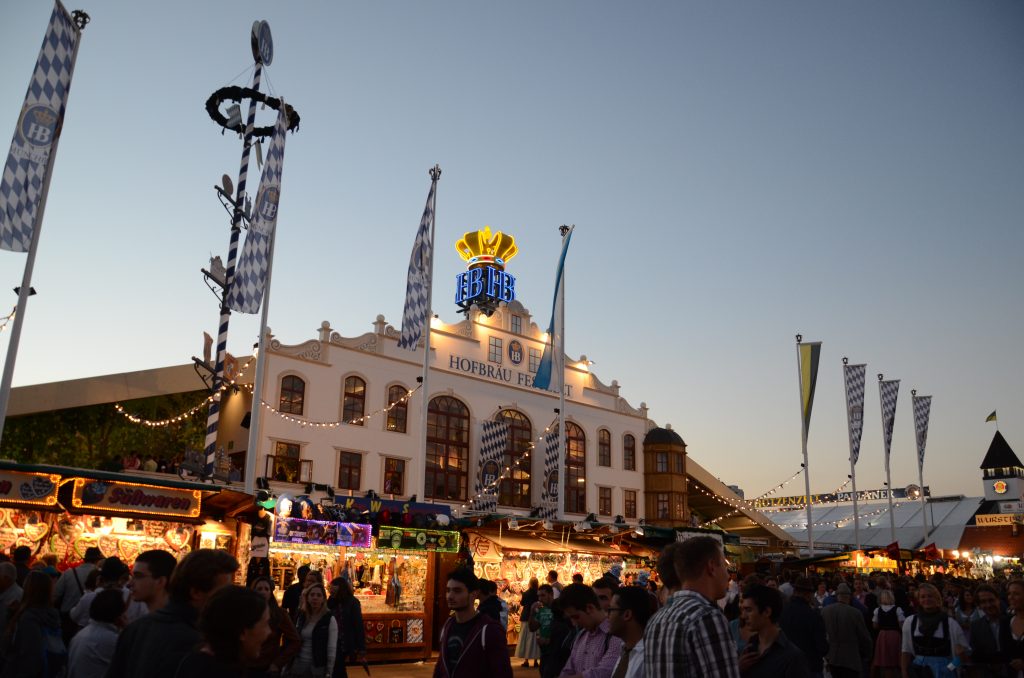
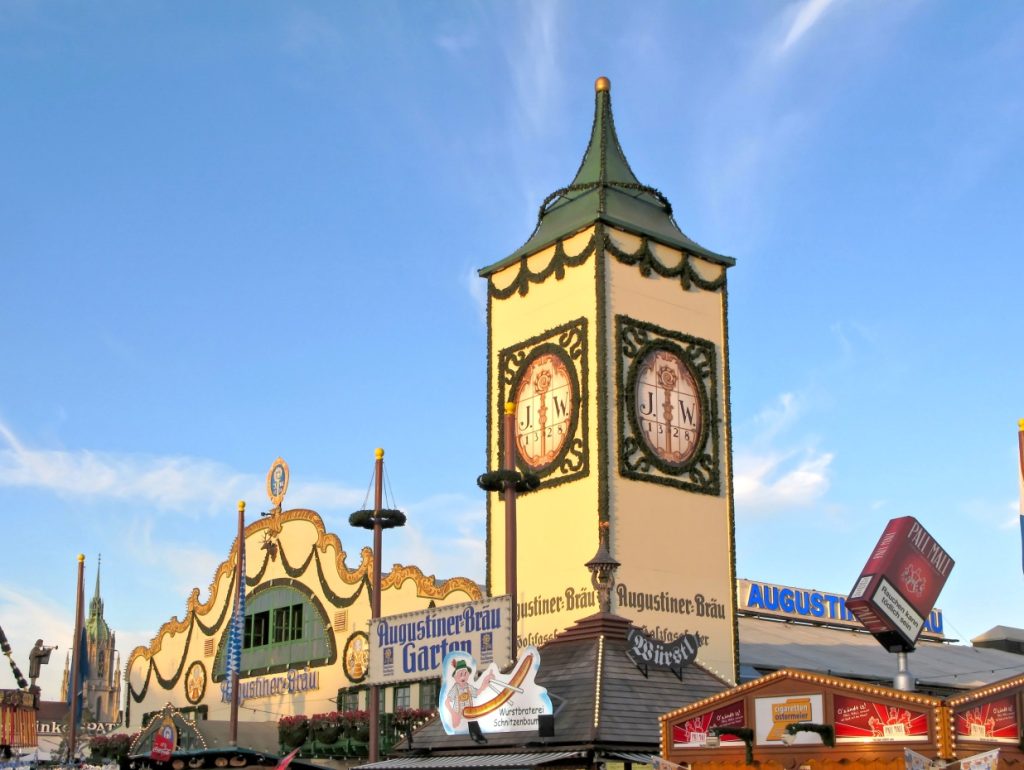
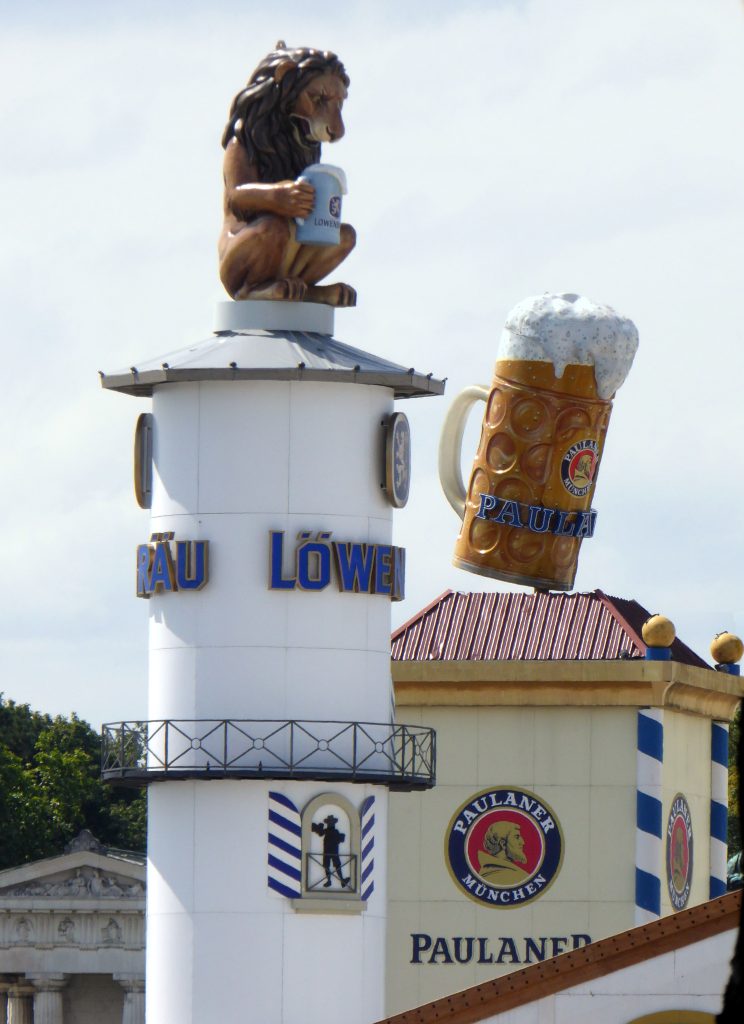
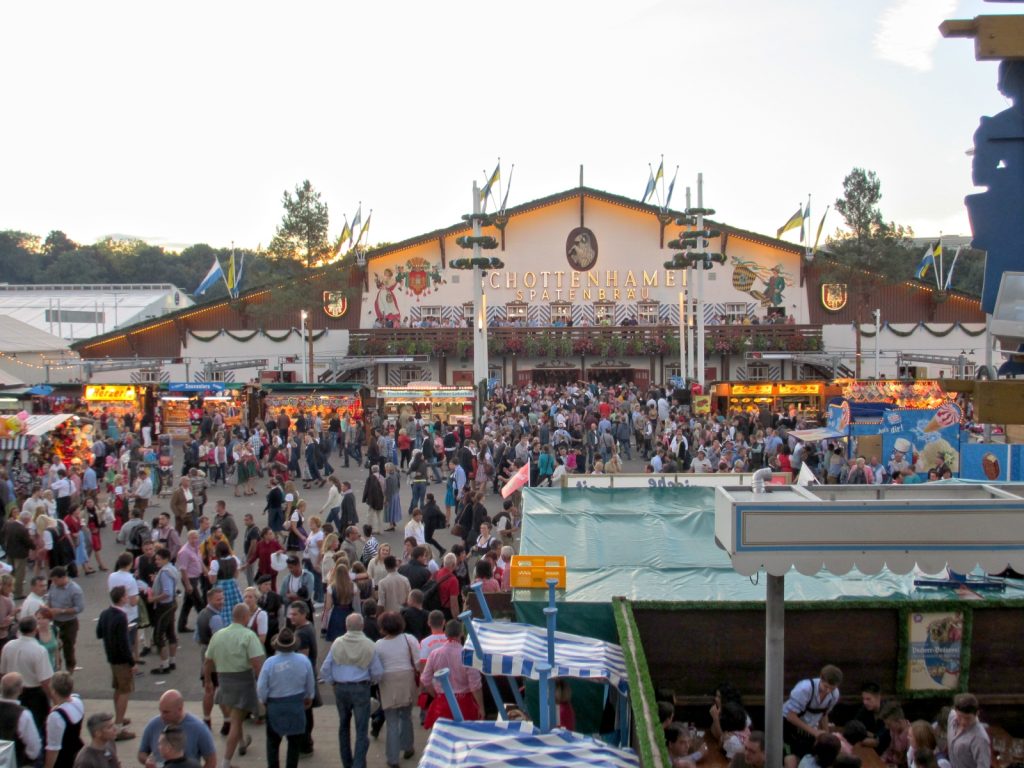
Okay, let’s talk about the elephant in the room. Or should I say, the 14 massive elephants in the room. Each beer tent at Oktoberfest has its own personality, and choosing the wrong one can make or break your experience. This isn’t like picking a random bar on a Friday night; these tents have reputations that locals have been debating for decades.
🎪 Beer Tents
Hofbräu-Festzelt
Vibe: International & Touristy
Language: More English than German
Energy: Reliably high
Augustiner-Bräu
Vibe: Local favorite
Special: Wooden barrels (est. 1328)
Crowd: More German locals
Löwenbräu-Festzelt
Vibe: Theatrical
Special: Roaring lion every 15 mins
Energy: High spectacle
Schottenhamel
Vibe: Traditional
Honor: First keg tapped here
Significance: Festival opener
Hofbräu-Festzelt is basically the United Nations of beer tents. It’s huge (nearly 10,000 seats), international, and touristy as hell. You’ll hear more English than German, which can be either comforting or disappointing, depending on what you’re after. The upside? It’s easier to get a table here, and the atmosphere is reliably high-energy. The downside? You might feel like you’re at a very expensive theme park.
On the complete opposite end, you’ve got Augustiner-Bräu, which is where Munich locals go to escape the chaos. It’s the oldest brewery in Munich (founded in 1328), and they serve beer from actual wooden barrels instead of steel tanks. The crowd skews more German, the music is less touristy, and honestly, the beer tastes different. Not placebo effect different, actually different.
Then there’s Löwenbräu-Festzelt with its massive lion that roars every 15 minutes (because subtlety is overrated), and Schottenhamel, which has the honor of tapping the first keg every year. The mayor of Munich shows up, hammers in a tap, and yells “O’zapft is!” (It’s tapped!), officially starting the festival. No pressure or anything.
🎯 Reservation Strategy
Weekend Evenings: Reservations mandatory
Solo/Couples: Arrive at 9 AM for cancellations
Groups: Book tables (not individual seats)
Best Strategy: Make friends with larger groups
Here’s something most guides won’t tell you: the smaller tents are where the real magic happens. Zur Bratwurst and Fischer-Vroni have maybe 1,000 seats each, but they’re run by families who’ve been doing this for generations. The food is better, the beer flows faster, and you’re way more likely to end up in a conversation with someone’s grandmother about proper pretzel-making techniques. Pro tip that took way too long to figure out: reservations aren’t just recommended, they’re basically mandatory for weekend evenings. But here’s the thing: you can only reserve tables, not individual seats. So if you’re traveling solo or as a couple, your best bet is showing up early (like, 9 AM early) and hoping for cancellations, or making friends with larger groups who have tables.
Beyond Bratwurst: What Bavarians Actually Eat (And Why You Should Too)
Let’s get one thing straight. If you’re limiting yourself to bratwurst and pretzels at Oktoberfest, you’re basically eating the German equivalent of airport food. I mean, they’re fine, but you’re missing out on some seriously impressive culinary traditions that predate the festival by centuries.

Schweinebraten is where it’s at. This is slow-roasted pork that’s been perfected over generations, served with crackling skin that actually crackles and sauerkraut that doesn’t taste like it came from a jar. The best versions are cooked in beer (obviously), and when done right, the meat falls apart if you look at it wrong. Pair it with a proper Bavarian dumpling (Semmelknödel) and you’ve got a meal that’ll fuel you through hours of beer tent festivities.
But here’s where it gets really interesting: sauerbraten. This is marinated beef that’s been sitting in a vinegar-wine mixture for days before cooking. Sounds weird, tastes incredible. It’s tangy, tender, and completely different from anything you’d find at a typical German restaurant outside of Bavaria. The sauce is made from the marinade, gingerbread cookies (yes, really), and sometimes raisins. It’s like someone decided to turn a pot roast into an art form.
🍴 The Food
🥩 Schweinebraten
Slow-roasted pork with crackling skin, cooked in beer. Falls apart when done right.
🍖 Sauerbraten
Marinated beef in vinegar-wine mix. Sauce made with gingerbread cookies!
🥟 Semmelknödel
Bread dumplings from day-old bread, eggs, parsley. Perfect gravy sponges.
🥬 Rotkohl
Red cabbage slow-cooked with apples and onions. Surprisingly satisfying.
And can we talk about the dumpling situation? Bavarians take their dumplings seriously: bread dumplings, potato dumplings, liver dumplings floating in clear broth. Each one has specific preparation methods and traditional accompaniments. The bread dumplings (Semmelknödel) are made from day-old bread, eggs, and parsley, then boiled until they’re fluffy on the inside with a slightly chewy exterior. They’re basically edible sponges for soaking up all those rich gravies and beer-based sauces.
For vegetarians, don’t despair. Bavarian cooking has always included hearty vegetable dishes out of necessity; winters were long, and preservation techniques were crucial. Rotkohl (red cabbage) slow-cooked with apples and onions, spätzle (hand-scraped egg noodles) with cheese, and various seasonal vegetable preparations that’ll make you forget you’re not eating meat.
⏰ Optimal Eating Timeline
Light start (Leberkäse)
Small portion main
Snack break
Substantial dinner
The timing of your eating strategy matters too. Most people make the mistake of eating a huge meal before they start drinking, then feeling miserable by hour three. The Bavarian approach is more… strategic. Start with something light like Leberkäse (which, despite the name, contains neither liver nor cheese; it’s more like a sophisticated meatloaf), then pace yourself with smaller portions throughout the day.
The Truth About Traditional Bavarian Clothing (And How Not to Look Like You Raided a Costume Shop)
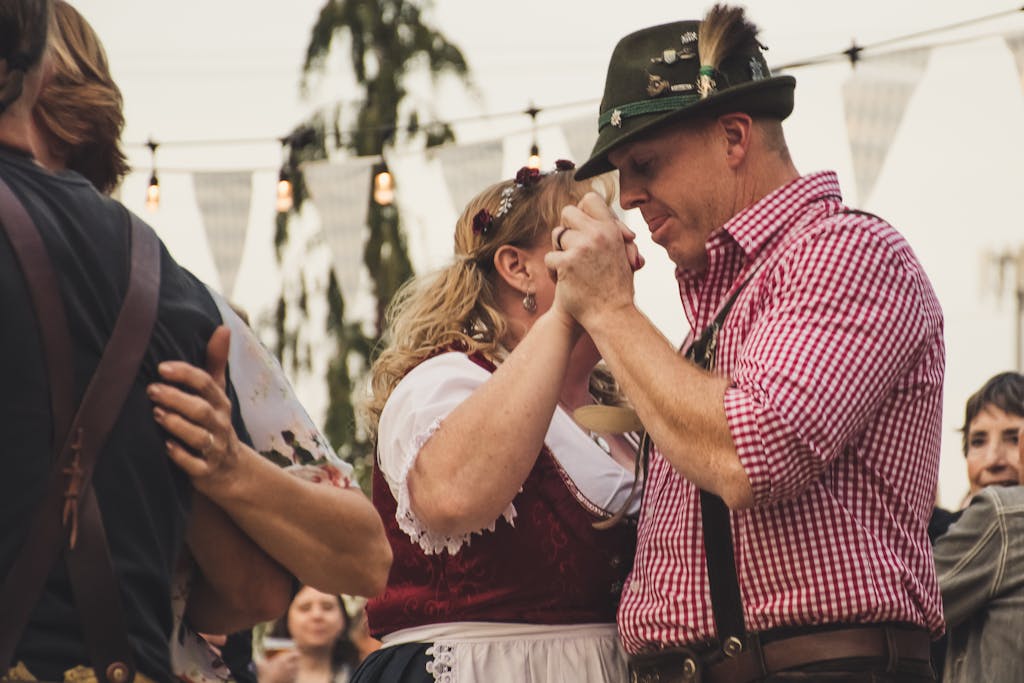
Alright, let’s address the lederhosen situation, because there’s a right way and a very, very wrong way to approach traditional Bavarian clothing. First thing you need to know: locals can spot a costume shop dirndl from across a beer tent, and they will judge you accordingly.
🩳 The Threads: Lederhosen
✅ Authentic Lederhosen
Real leather (€200-800)
Functional suspenders
Traditional knife pocket
Regional decorative elements
Quality Munich rental: €50-80/day
❌ Costume Shop Horrors
Polyester “leather”
Decorative-only suspenders
Random plastic accessories
Bright, non-traditional colors
Falls apart after one wash
Real lederhosen are made from actual leather (shocking, I know), and they’re not cheap. We’re talking €200-800 for authentic pieces that’ll last decades. The good news is you can rent quality versions in Munich for around €50-80 per day, which is way better than buying some polyester nightmare that’ll fall apart after one wash.
But here’s where it gets complicated: there are rules. Actual rules. The suspenders on lederhosen aren’t just decorative; they’re functional and have traditional placements. The knife pocket (Messertasche) goes on the right side, and yes, traditionally you’d carry an actual knife for eating. The little chains and decorative elements aren’t random either; they often represent specific regions or family traditions.
🎀 Put a Bow on It
👈 Left
Single
👆 Back
Widowed
👇 Front
It’s… complicated
👉 Right
Taken
Dirndls are even more complex. The way you tie the bow on your apron actually means something. Bow on the left means you’re single, right means taken, back means widowed, and front means… well, let’s just say it’s complicated. Most tourists have no idea about this, which leads to some interesting miscommunications.
Color choices matter too. Deep greens, browns, and burgundies are traditional and versatile. Bright pink or electric blue screams “I bought this at a party store”. The fabric should have some weight to it; real dirndl fabric is substantial, not flimsy. And the fit is crucial; a properly fitted dirndl should be snug but not restrictive, with the skirt hitting at an appropriate length.
Here’s something nobody tells you: shoes matter enormously. Traditional Bavarian shoes (Haferlschuhe for men, comfortable heels or flats for women) complete the look and are actually practical for walking on cobblestones and standing in beer tents for hours. Those plastic “German” shoes from tourist shops will leave you with blisters and mark you as a tourist from 15 meters away. If you’re going the rental route in Munich, avoid the shops right around Marienplatz. They’re convenient but overpriced and often lower quality. Head to shops like Angermaier or Loden-Frey, where locals actually shop. Yes, they’re more expensive, but the quality difference is immediately obvious.
Oompah Bands, Folk Dancing, and Entertainment That Doesn’t Suck
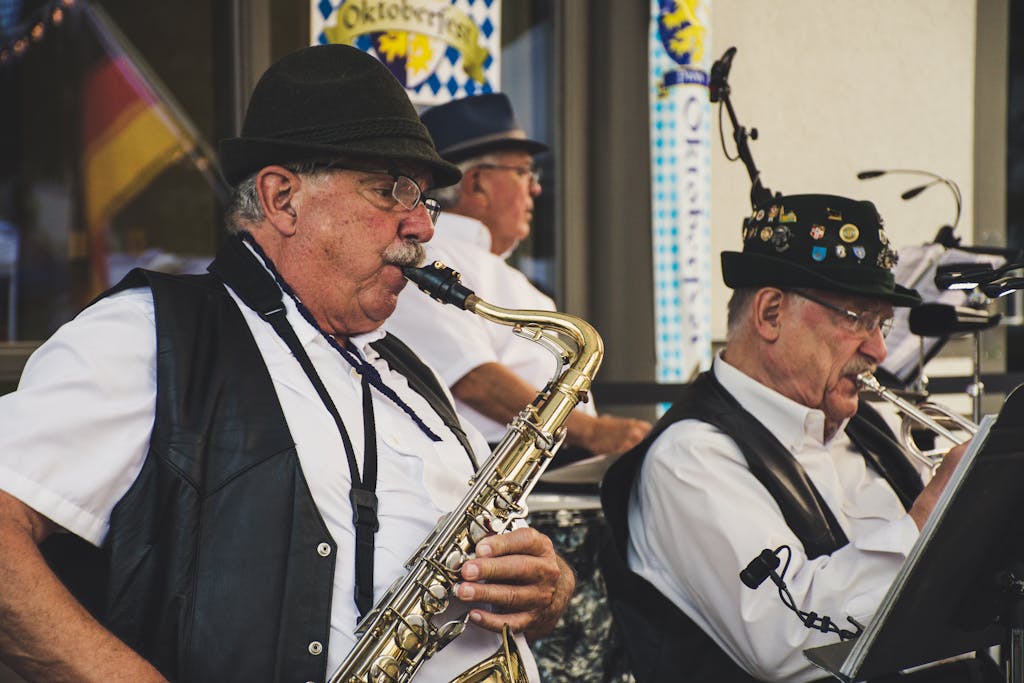
Let’s be honest. When most people think “German folk music,” they picture cheesy oompah bands playing the same three songs on repeat. And yeah, that exists at Oktoberfest, but there’s also legitimate traditional music that’ll surprise you with its complexity and energy.
Real Bavarian folk music includes everything from delicate zither melodies to complex brass arrangements that require serious musical skill. The best bands at Oktoberfest can switch seamlessly between traditional alpine folk songs, modern German pop, and even international hits adapted for traditional instruments. Watching a tuba player nail the bass line to “Sweet Caroline” while wearing lederhosen is an experience you didn’t know you needed.
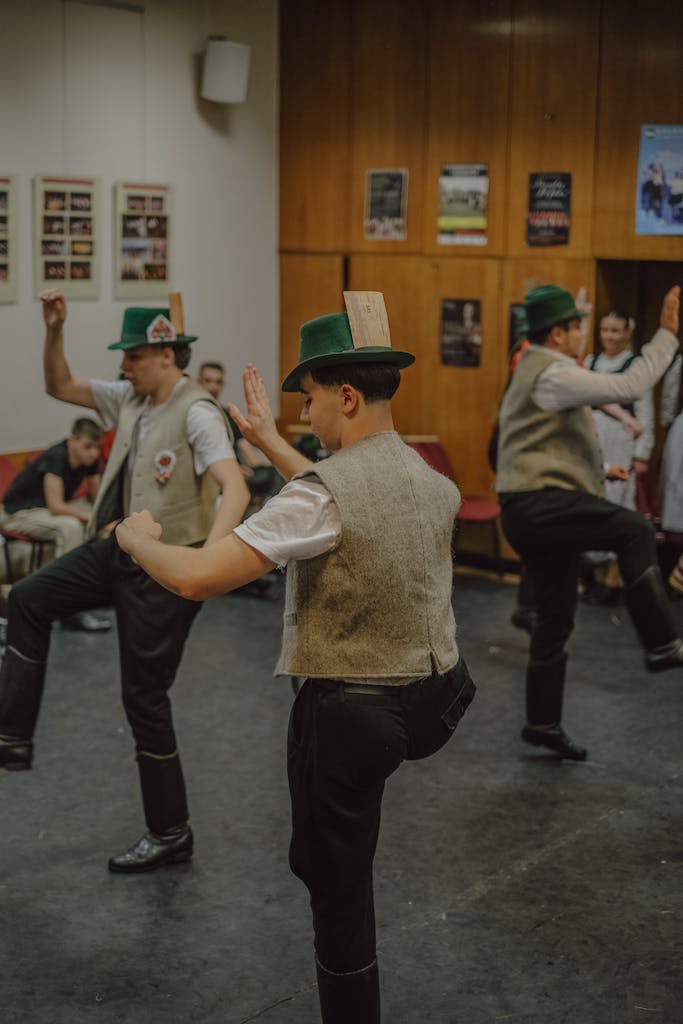
The folk dancing situation is where things get really interesting. Schuhplattler (the traditional slap-dancing) looks simple but requires serious coordination and stamina. It originated as a courtship dance where men would show off their agility and strength. Modern versions can go on for 10+ minutes and involve increasingly complex foot patterns and rhythmic slapping of thighs, knees, and shoe soles.
But here’s the cool part: many tents have designated times when they teach basic folk dances to anyone brave enough to participate. It’s usually mid-afternoon when the energy is high but people aren’t completely wasted yet. The dances are surprisingly accessible; most traditional Bavarian folk dances are designed for community participation, not professional performance.
🎭 Daily Entertainment Schedule
Morning
Traditional music
Family activities
Afternoon
Folk dance lessons
Mixed music
Evening
High energy
Popular music
Late Night
Expect chaos
(8+ hours of beer)
The timing of entertainment varies significantly throughout the day. Morning through early afternoon tends to feature more traditional music and family-friendly activities. Late afternoon into evening is when things get more energetic, with popular music mixed in with traditional songs. Late night is… well, it’s exactly what you’d expect from thousands of people who’ve been drinking beer for 8+ hours. Don’t sleep on the non-musical entertainment either. Traditional craft demonstrations, regional costume displays, and even alpine sports exhibitions happen throughout the festival. There’s usually a traditional strongman competition that’s way more entertaining than it has any right to be.
Your 2025 Oktoberfest Strategy Guide (Because Winging It Leads to Disappointment)
Okay, planning time. Oktoberfest 2025 runs from September 20 to October 5, and your experience will vary dramatically depending on when you show up. Weekends are absolute chaos: we’re talking shoulder-to-shoulder crowds, impossible table availability, and beer tent lines that move slower than airport security. But they’re also when the energy is highest and the traditional entertainment is most elaborate.
If you want the authentic experience without feeling like you’re trapped in a human sardine can, aim for Tuesday through Thursday. The locals know this secret; many Munich residents avoid weekends entirely and treat weekday Oktoberfest visits like casual neighborhood bar visits. You’ll actually be able to have conversations, see the traditional performances clearly, and taste your food instead of just inhaling it.
Accommodation booking should happen months in advance, not weeks. Munich hotels jack up prices by 300-500% during Oktoberfest, and anything decent within public transit distance gets booked by February. Consider staying in neighboring towns like Freising or Dachau (yes, that Dachau, but it’s also a charming Bavarian town) and taking the S-Bahn into Munich. The 20-30 minute train ride is way better than paying €400/night for a questionable hotel room.
Transportation within Munich during the festival is its own adventure. The U-Bahn and S-Bahn systems get completely overwhelmed, especially after 10 PM when the beer tents close and everyone tries to leave simultaneously. Walking or biking becomes surprisingly practical if you’re staying within the city center. Many locals just accept that getting home will take twice as long as usual and plan accordingly.
🍻A realistic daily budget for food and drinks is €80-130
per person.🍻
💰 Realistic Daily Budget (Per Person) |
|
|---|---|
|
Beer (3-4 Maß @ €12-15) |
€40-60 |
|
Food (2 meals) |
€30-50 |
|
Snacks & extras |
€10-20 |
|
Total Daily Budget |
€80-130 |
Weather in late September can be completely unpredictable. You might get sunny 23°C days or cold, rainy 7°C misery. Pack layers, bring a decent rain jacket, and have a backup plan for indoor activities. Nothing ruins a dirndl faster than unexpected Bavarian weather. Budget-wise, expect to spend more than you think. A liter of beer (Maß) costs around €12-15, main dishes range from €15-25, and that’s before you factor in accommodation, transportation, and the inevitable souvenir purchases. A realistic daily budget for food and drinks is €80-120 per person, assuming you’re not going completely overboard.
Cultural Etiquette That’ll Make You Friends (Not Enemies) in Bavaria
This is where a lot of people mess up without realizing it. Bavarians are generally friendly and welcoming, but there are social customs that can make the difference between being invited to join a family table and being politely ignored.
👍 DOs & DON’Ts 👎
✅ DO: Table Sharing
Ask “Ist hier noch frei?” (Is this seat free?) and wait for acknowledgment. Introduce yourself with “Grüß Gott” and your first name.
✅ DO: Proper Toasting
Make eye contact, say “Prost!” clearly, don’t cross arms with others’ toasts. Never toast with water!
❌ DON’T: Table Standing
Don’t climb on tables for photos. Dangerous in crowded tents and locals will firmly encourage you down.
❌ DON’T: Get Sloppy Early
Being wasted by 2 PM marks you as a tourist (the bad kind). Bavarians appreciate steady enjoyment over many hours.
Table sharing is fundamental to beer tent culture, but there’s an etiquette to it. You don’t just plop down at an empty spot; you ask “Ist hier noch frei?” (Is this seat free?) and wait for acknowledgment. Once you’re seated, introduce yourself to your tablemates; a simple “Grüß Gott” (traditional Bavarian greeting) and your first name goes a long way.
The beer toast situation is more complex than just clinking glasses. Proper Bavarian toasting involves eye contact with each person, saying “Prost!” or “Zum Wohl!” clearly, and making sure you don’t cross arms with other people’s toasts. Sounds simple, but at a table of 8-10 people, it requires coordination. And never, ever toast with water or non-alcoholic drinks, it’s considered bad luck.
Pace yourself and read the room. Bavarians appreciate enthusiasm, but they also value moderation and good behavior. Getting sloppy drunk by 2 PM marks you as a tourist and not the fun kind. The local approach is steady enjoyment over many hours, not rapid consumption followed by regret.
Tipping follows German customs – round up to the nearest euro or add 10% for good service. But here’s what’s different: you tip when you pay, not by leaving money on the table. Hand the money directly to your server and state the total amount you want to pay, including tip.
🗣 Essential German Phrases
|
German |
Pronunciation |
English |
|---|---|---|
|
🗣️ Basic Communication |
||
|
Grüß Gott |
grooss got |
Hello (Bavarian) |
|
Danke schön |
dahn-keh shurn |
Thank you |
|
Servus! |
ser-voos |
Hello/Goodbye (Bavarian) |
|
Entschuldigung |
ent-shool-dee-goong |
Excuse me |
|
Auf Wiedersehen |
owf vee-der-zayn |
Goodbye |
|
🍺 Festival Essentials |
||
|
Prost! |
prohst |
Cheers! |
|
Zum Wohl! |
tsum vohl |
To your health! |
|
Ist hier noch frei? |
ist here nokh fry |
Is this seat free? |
|
Ein Maß, bitte |
ine mahss bit-teh |
One liter beer, please |
|
O’zapft is! |
oh-tsahpft iss |
It’s tapped! (Festival opener) |
|
Das war lecker! |
dahs vahr lek-ker |
That was delicious! |
|
Gemütlich |
geh-muet-likh |
Cozy/comfortable atmosphere |
|
🆘 Help & Communication |
||
|
Sprechen Sie Englisch? |
shpreh-khen zee eng-lish |
Do you speak English? |
|
Ich verstehe nicht |
ikh fer-shtay-eh nikht |
I don’t understand |
|
Können Sie mir helfen? |
kur-nen zee meer hel-fen |
Can you help me? |
|
Wo ist die Toilette? |
voh ist dee toy-let-teh |
Where is the bathroom? |
|
Wie viel kostet das? |
vee feel kos-tet dahs |
How much does this cost? |
Learn a few basic German phrases beyond “Prost!” Simple things like “Danke schön” (thank you), “Entschuldigung” (excuse me), and “Sprechen Sie Englisch?” (Do you speak English?) show respect for the local culture. Most Bavarians speak some English, but making an effort with German, even badly, is always appreciated. And please, please don’t try to climb on tables or benches for photos. It’s not just tacky; it’s actually dangerous in crowded beer tents. The traditional Bavarian response to table-standing is swift and involves being firmly encouraged to return to ground level by very large men in lederhosen.
Oktoberfest isn’t just Europe’s biggest drinking party; it’s a 200-year-old cultural celebration that happens to involve exceptional beer. The real magic lies in those moments between the official events: sharing a table with a Bavarian family who explains the difference between various bread types, learning a traditional dance from someone’s grandmother, or discovering that the best bratwurst comes from the tent that’s been family-owned for five generations. Yes, you’ll drink beer (probably more than you planned), but you’ll also connect with a living tradition that’s survived wars, political upheaval, and the relentless march of globalization. So grab your lederhosen, practice your “Prost”, and prepare for an experience that’s equal parts cultural immersion and controlled chaos. Just remember: in Bavaria, every stranger is a friend you haven’t shared a beer with yet!