Every year on October 1st, coffee lovers around the world have the perfect excuse to indulge in their favorite brew… and maybe splurge on that third cortado. International Coffee Day celebrates one of the world’s most economically significant beverages and a major global commodity that fuels approximately 66% of Americans daily (and probably a higher percentage of content creators, night shift workers, and anyone with a toddler).
66% of Americans drink coffee daily, more than any other beverage including water. ☕
Here’s the thing about coffee culture: it’s like a gateway drug, but legal and socially encouraged at 6 AM. I started out never drinking coffee at all, viewing caffeine devotees with the mild superiority of someone who “didn’t need it”. Then came the occasional cafe visit. Then the daily cafe habit. Then the dawning realization that my coffee spending had its own line item in my budget, competing with rent.
So I did what any reasonable person would do. I took various coffee classes with the Specialty Coffee Association (SCA) and Coffee Quality Institute (CQI): barista skills, sensory analysis, brewing methods, Q processing certification. The goal? Save money by making cafe-quality coffee at home. The result? I now own more coffee equipment than most small cafes, hunt for single-origin beans like some people hunt for vintage wine, and somehow spend even more money than before. But at least now I can taste the difference between natural and washed processing methods while I contemplate my financial decisions.
Whether you’re a casual drinker or someone who refers to their espresso machine as “the investment”, International Coffee Day is the perfect moment to explore how different cultures have transformed this humble bean into elaborate rituals, social institutions, and in some cases, expensive hobbies disguised as frugality.
When Marketing Meets Meaning: The Real Story Behind International Coffee Day
International Coffee Day officially launched in 2015 through the International Coffee Organization (ICO), but it’s way more than just another invented holiday designed to sell you stuff. Though let’s be honest, plenty of corporations have jumped on that bandwagon with enthusiasm that would make a golden retriever jealous.
☕ Key Coffee Dates
1983
Japan’s Coffee Day
2014
ICO decision
2015
First official celebration
The ICO chose October 1st deliberately. It coincides with the start of the coffee harvest season in many producing countries, making it actually relevant rather than random. The organization represents coffee-exporting countries and works to strengthen the global coffee sector, particularly supporting the more than 125 million people worldwide who depend on coffee for their livelihoods. That’s roughly the population of Japan, for perspective.
125 MILLION people worldwide depend on coffee for their livelihoods. That’s the entire population of Japan. ☕
The day’s stated mission hits on three key points: celebrate the hardworking coffee growers who make our morning rituals possible, promote fair trade practices in an industry with a somewhat checkered history on that front, and raise awareness about the challenges coffee farmers face — from climate change threatening growing regions to price volatility that can devastate communities dependent on coffee income.
Before 2015, various coffee-producing countries celebrated their own national coffee days. Japan had been celebrating Coffee Day on October 1st since 1983. Several other countries had their own dates scattered throughout the year. The ICO basically said “let’s get everyone on the same page” and created a unified global celebration.
What’s interesting is how the day has evolved from an industry-focused event to a mainstream cultural moment. Social media played a huge role here. The hashtag #InternationalCoffeeDay trends annually with millions of posts from everyone: casual drinkers posting their morning cup, coffee shops promoting special deals, farmers sharing harvest photos, and of course, coffee nerds getting extremely specific about grind size and water temperature in the comments.
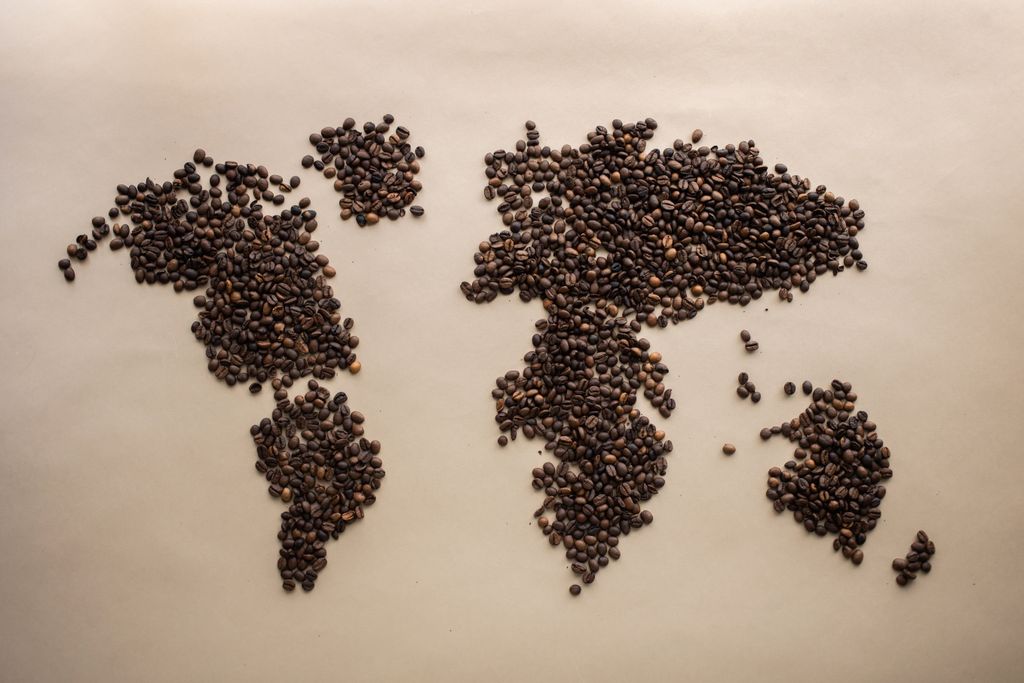
The economic impact of coffee globally is staggering. It’s one of the world’s most traded commodities. More than 70 countries grow coffee, with Brazil, Vietnam, Colombia, Indonesia, and Ethiopia leading production. The specialty coffee market alone was valued at over $35 billion in 2021 and keeps growing as more people discover that coffee can taste like blueberries or chocolate or jasmine instead of just “brown bitterness”.
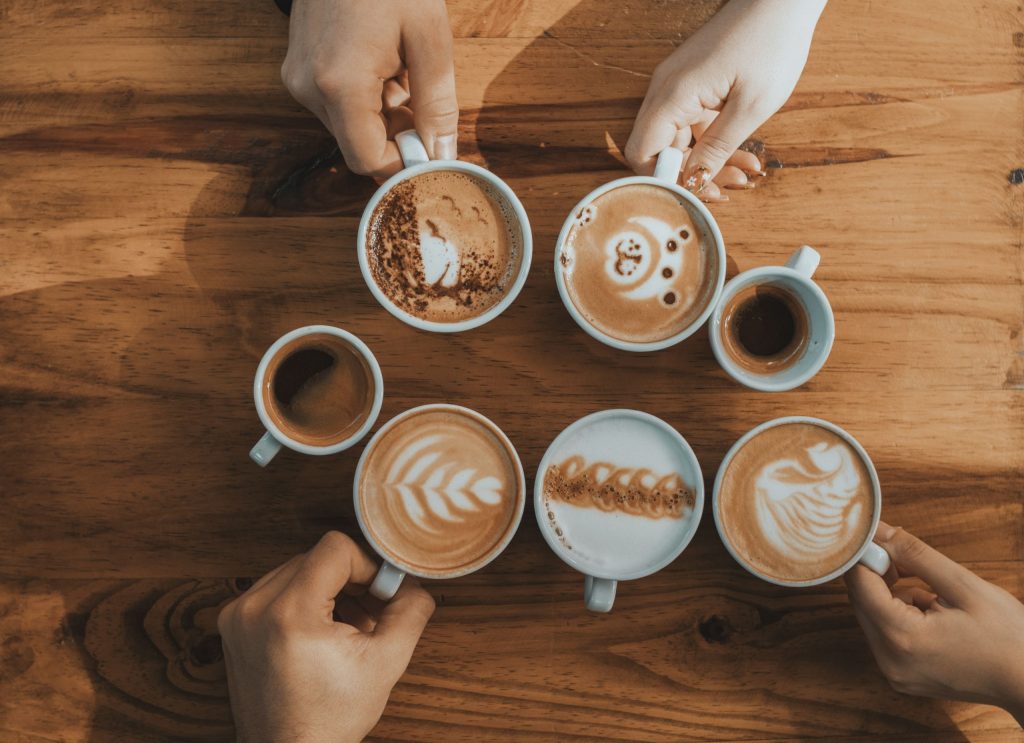
But here’s where it gets complicated: International Coffee Day often becomes this weird tension between genuine appreciation for coffee culture and shameless corporate marketing. Major chains offer free coffee or heavy discounts, which is great for consumers but doesn’t always translate to better prices for the farmers who actually grew the beans. Some celebrations focus on education and direct trade, while others are basically just “buy more coffee” dressed up as cultural appreciation.
The best International Coffee Day events tend to be the ones that actually connect you to the source. Coffee farm tours in producing countries, cupping sessions where you can taste the difference between regions and processing methods, educational workshops about the supply chain, fundraisers for coffee farming communities; these capture what the day is supposed to be about. The free coffee at Dunkin’ is nice, but it’s not exactly deepening anyone’s understanding of why Colombian coffee tastes different from Ethiopian coffee.
What makes October 1st legitimately worth paying attention to is that it provides a concentrated moment to think about something most people consume daily without much thought. Where did this coffee come from? Who grew it? What were they paid? How was it processed? What does “fair trade” actually mean versus “direct trade”? These questions matter and when done right, International Coffee Day creates space for those conversations.
From Ceremony to Science: How Cultures Transformed Coffee Into Ritual
Coffee didn’t spread across the globe by accident. It moved through trade routes, colonization, cultural exchange, and occasionally religious prohibition (looking at you, 16th century European clergy who thought coffee was “the devil’s drink” before the Pope tried it and decided it was fine). Each culture that adopted coffee didn’t just drink it, they made it their own with ceremonies and rituals that reveal deep truths about their values around hospitality, time, and community.
Ethiopia: Where It All Started (And They Haven’t Let Anyone Forget)
The Ethiopian coffee ceremony isn’t something you rush through before work. This is a 2-3 hour affair that would make anyone who thinks a French press is “slow” immediately reconsider their life choices. The ceremony traditionally involves washing the raw green coffee beans, roasting them over hot charcoal in a pan called a menkeshkesh, grinding them by hand with a mortar and pestle, and brewing them in a clay coffee pot called a jebena.
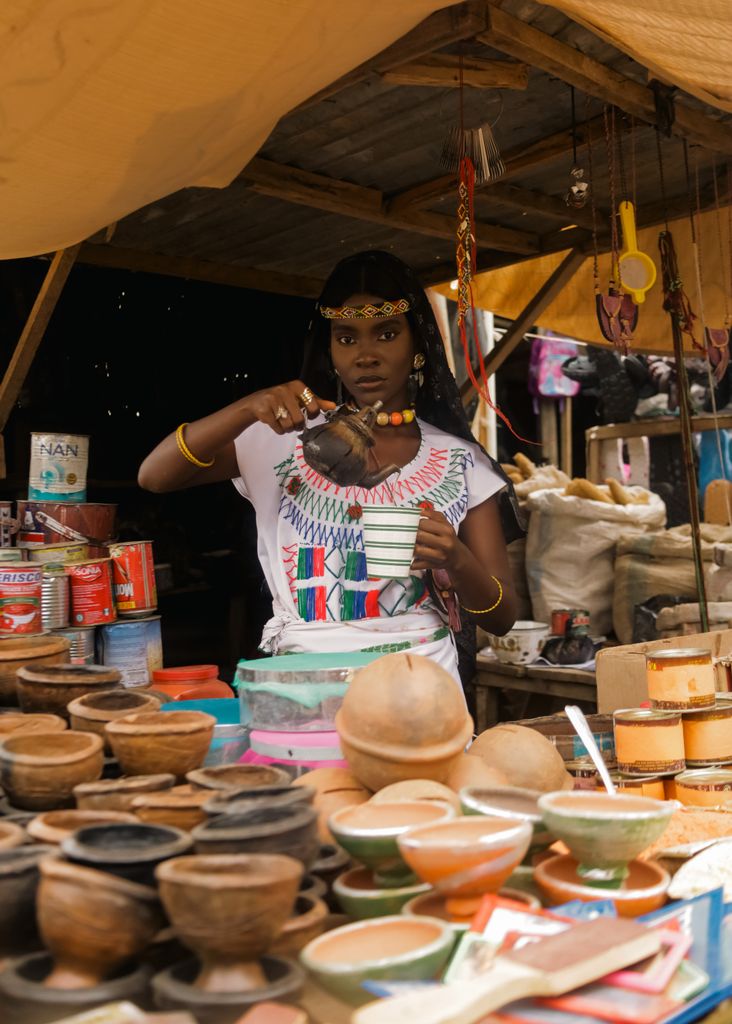
The host, typically a woman in traditional white dress with colorful embroidered borders, performs the ceremony for family and guests. Fresh grass is often spread on the floor, and incense (usually frankincense) burns throughout. The coffee gets served in small handleless cups called sini, usually in three rounds with progressively weaker coffee. The first round is called abol (the strongest), the second tona, and the third baraka (meaning “blessing”).
What’s beautiful about the Ethiopian ceremony is how it prioritizes presence over efficiency. You can’t grab your coffee and run. You’re there for the duration, talking with people, being part of a community. The ceremony is considered a crucial social event, where news gets shared, advice is given, and relationships are maintained. In a world obsessed with speed and productivity, there’s something almost radical about a culture that says “coffee takes three hours and your presence is required”.
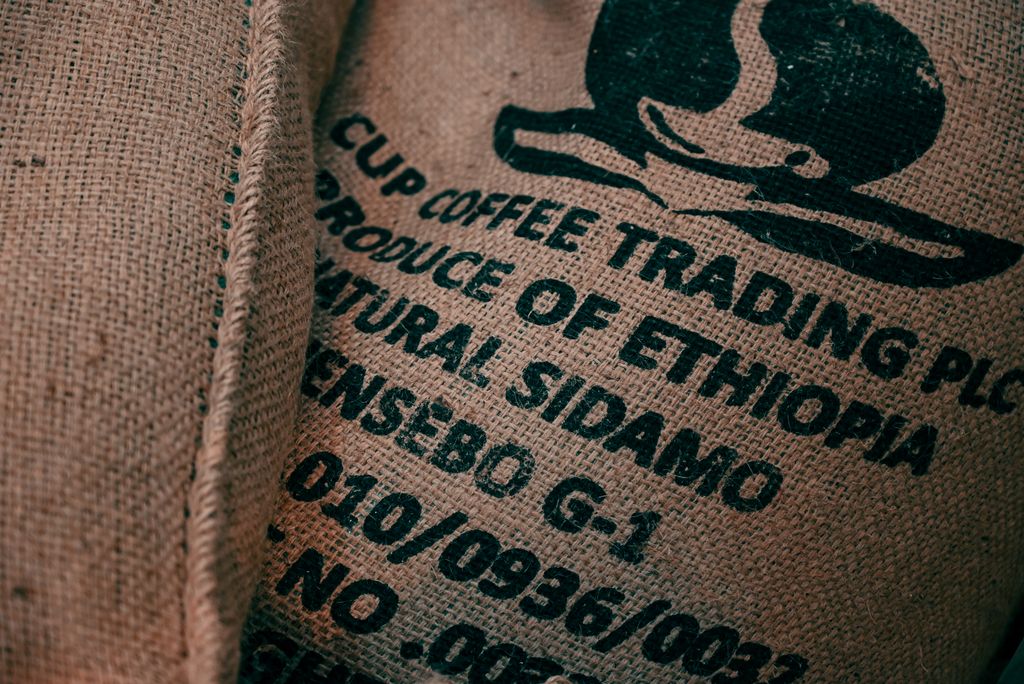
The coffee itself tastes different too. Ethiopian coffee has distinct flavor profiles depending on the region. Yirgacheffe tends toward bright citrus and floral notes, Sidamo is more berry-forward, Harrar can have winey, blueberry-like qualities. The lighter roasting typical of traditional Ethiopian preparation (compared to the dark roasts common in commercial coffee) lets these flavors shine through.
Turkey: UNESCO-Approved Fortune Telling in a Cup
Turkish coffee culture is so significant that UNESCO added it to the Intangible Cultural Heritage List in 2013. That’s right, the same organization that protects historical sites and ancient traditions considers Turkish coffee important enough to officially preserve.
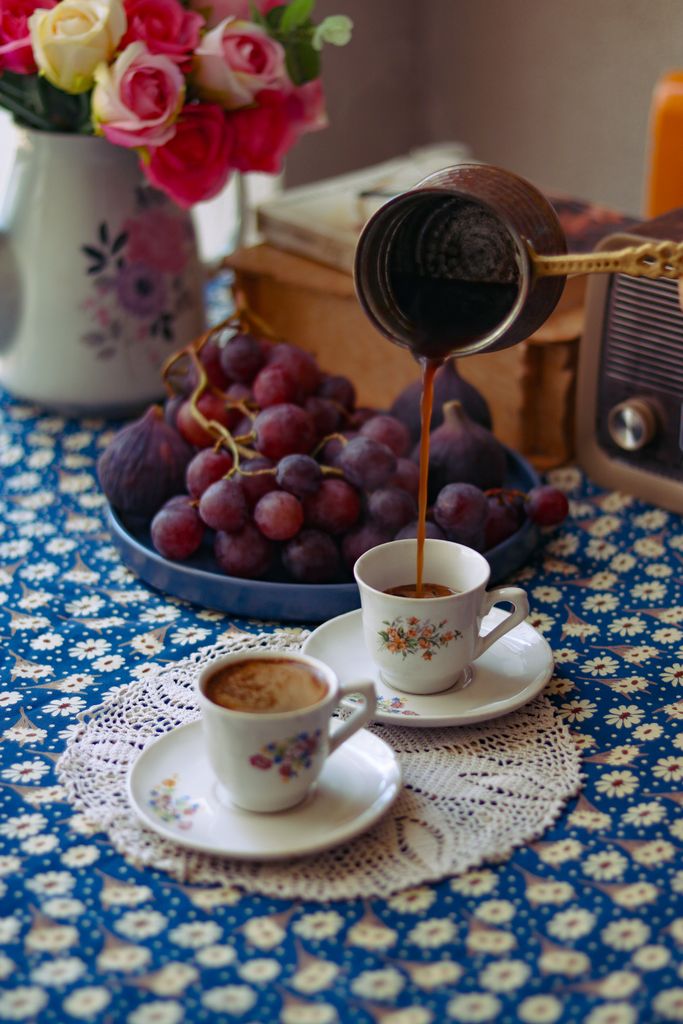
The coffee itself is incredibly finely ground (basically powder) and brewed in a small pot called a cezve (or ibrik in some regions) with water and usually sugar. The coffee gets brought almost to boiling, removed from heat, returned to heat, and this process repeats several times to build up that characteristic foam on top. The foam is crucial; a cup without foam is considered poorly made.
But here’s where it gets interesting: the grounds don’t get filtered out. You drink the coffee, leave the thick sediment at the bottom, flip your cup upside down on the saucer, let it cool, and then someone reads your fortune from the patterns the grounds make. Yes, this is essentially socially acceptable coffee-ground divination, and people take it seriously.
A cup of coffee commits one to forty years of friendship. ☕
Turkish Proverb
Turkish coffee culture has strict etiquette. Coffee is offered to guests as a sign of hospitality, and refusing is considered rude. There’s a saying: “A cup of coffee commits one to forty years of friendship.” The way a potential bride prepares coffee for her future groom’s family is still used as a test of her skills in some traditional households (and occasionally the bride intentionally makes it salty to see how the groom reacts, which is honestly a decent compatibility test).
Coffee houses (kahvehane) have been central to Turkish social life since the 16th century. They became such important gathering places that authorities occasionally tried to shut them down, worried about the political discussions happening over coffee. Apparently caffeinated conversation has always been threatening to people in power.
Italy: Where Espresso Is Religion and Timing Is Everything
Italians don’t mess around with coffee. They’ve codified their coffee culture into a complex set of rules that seem designed to identify tourists. Order a cappuccino after 11 AM and everyone in the cafe knows you’re not local. Italians believe milk coffee in the afternoon interferes with digestion, so cappuccinos and lattes are strictly morning beverages.
The espresso bar culture in Italy is its own social institution. Coffee is typically consumed quickly at the bar: standing up, not sitting down. Sitting adds a service charge that can double the price. The transaction is fast: order, pay, drink, leave. A proper espresso should be consumed in 3-4 sips over about a minute. This isn’t a beverage to linger over.
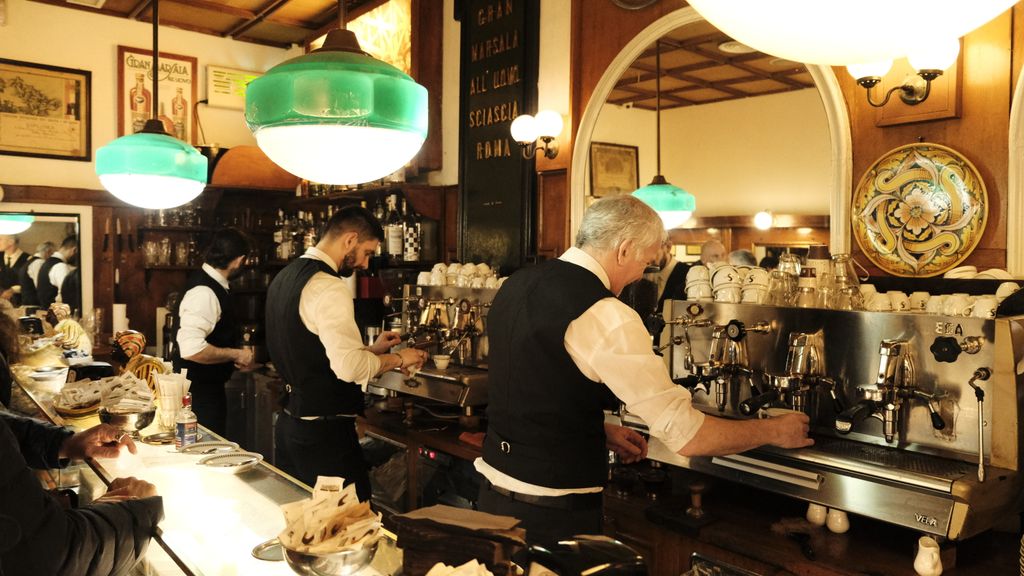
The coffee itself follows strict standards. True Italian espresso uses dark-roasted beans, produces about 1 ounce of liquid, has a thick crema on top, and arrives in a warmed demitasse cup. The barista’s skill matters enormously: grind size, tamping pressure, water temperature, extraction time all affect the result. A good Italian barista takes pride in their craft the way a sushi chef takes pride in their knife skills.
Regional variations exist across Italy. In the north, particularly around Trieste (which has its own unique coffee culture influenced by its Austro-Hungarian past), you might find more Austrian-style coffee houses with elaborate preparations. In the south, coffee tends to be even shorter and stronger — what’s called a ristretto.
The social function of coffee in Italy can’t be overstated. The morning espresso at your local bar, often taken alongside a cornetto (croissant), is a daily ritual. You see the same barista, greet the same regulars, exchange quick pleasantries. It’s a touchpoint of community and routine. The quick afternoon espresso provides a similar function: a brief break, a moment of connection.
Japan: Where Precision Meets Poetry
Japanese coffee culture developed along two parallel tracks: the traditional kissaten (coffee houses) and the modern third-wave precision movement. Both share an obsession with craft and attention to detail that’s distinctly Japanese.
Kissaten emerged in the early 20th century and reached their peak mid-century. These aren’t your modern minimalist cafes. Traditional kissaten tend toward dim lighting, wood paneling, jazz or classical music, and an atmosphere that encourages lingering. The coffee is typically darker-roasted, often made with siphon brewers (those beautiful glass contraptions that look like chemistry equipment), and served with meticulous care.
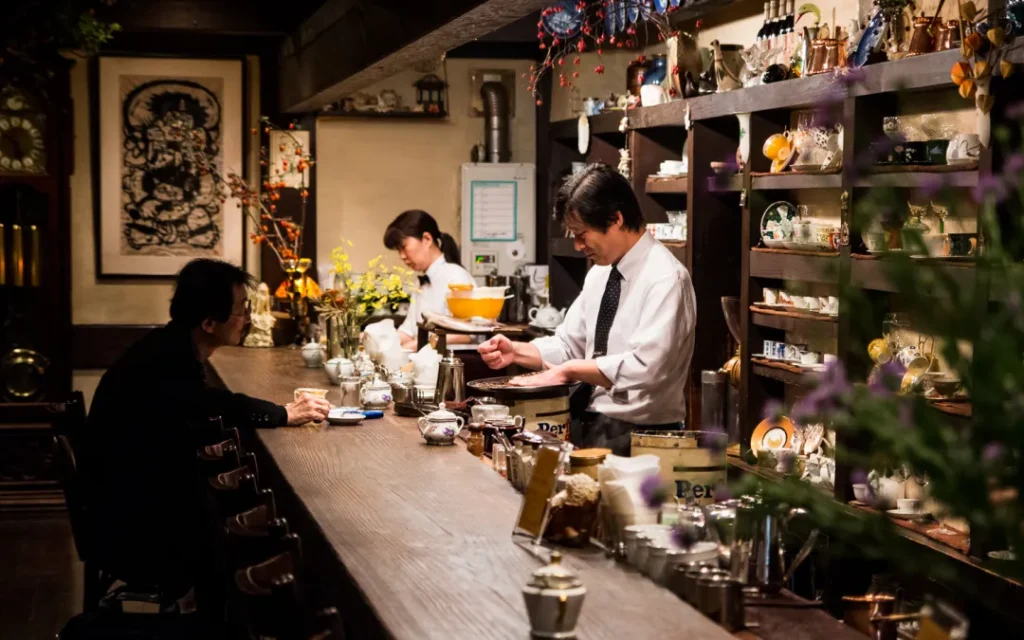
What’s fascinating about kissaten culture is how it created a third space before that was even a term; not home, not work, but a place where you could sit for hours over a single cup of coffee, reading, thinking, or talking. Many kissaten specialized in particular music genres, building extensive vinyl collections. Going to a kissaten wasn’t just about the coffee; it was about the entire sensory experience.
Modern Japanese coffee culture took precision even further. Tokyo has become one of the world’s coffee capitals, with roasters and cafes that approach coffee with the same exacting standards applied to sushi or tea ceremony. Pour-over preparation follows precise protocols: specific water temperatures (usually between 90-96°C/194-205°F), exact pouring patterns, timed blooming periods, calibrated grind sizes.
The Japanese market also pioneered ready-to-drink coffee in cans, which are now a massive industry. You can find hot and cold canned coffee in vending machines everywhere, including some surprisingly good quality options. This contradiction — elaborate hand-poured coffee and convenient canned coffee — somehow makes perfect sense in Japanese culture.
Vietnam: Where Condensed Milk Changed Everything
Vietnamese coffee culture developed under French colonial influence but became distinctly Vietnamese through adaptation and necessity. The climate and local preferences led to the iconic ca phe sua da (iced coffee with condensed milk).
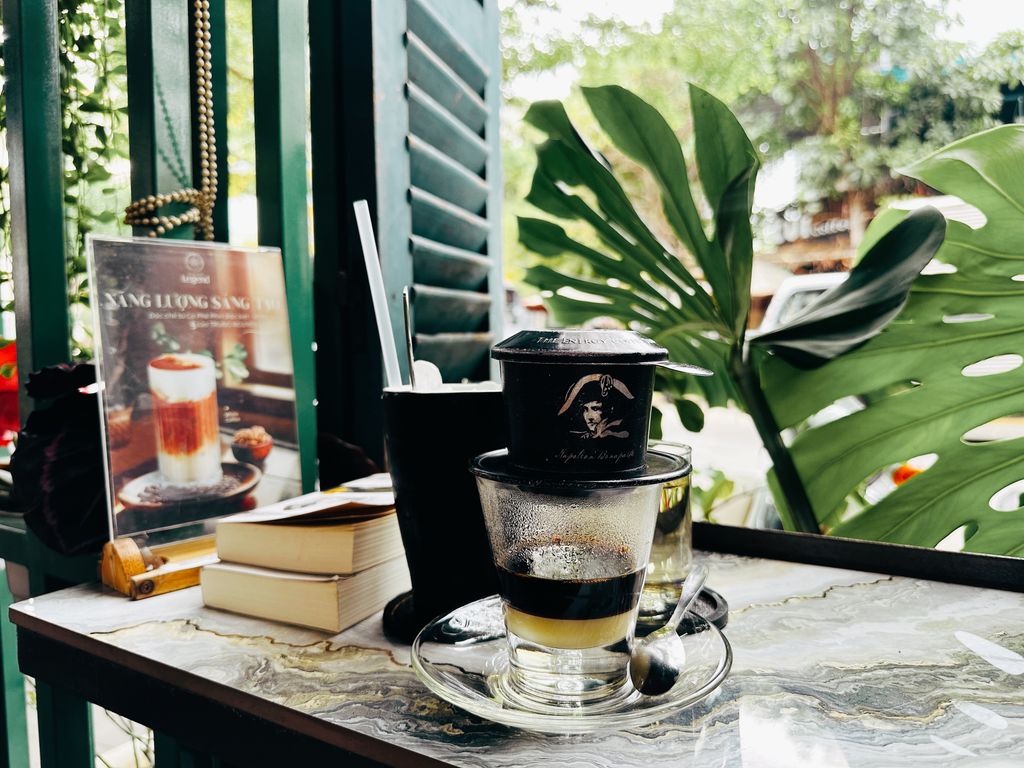
The traditional brewing method uses a small metal filter called a phin that sits directly on top of your glass. The coffee drips slowly through — this is not a quick process — producing a strong, concentrated brew. The condensed milk (which became popular because fresh milk wasn’t widely available or reliably refrigerated) adds sweetness and richness that balances the strong coffee.
The result is something that would make Italian espresso purists weep: extremely sweet, often served over ice, definitely consumed after 11 AM. It’s also completely delicious and perfectly suited to Vietnam’s tropical climate.
Vietnamese coffee culture also includes the egg coffee (ca phe trung) found particularly in Hanoi: egg yolk whipped with sugar and condensed milk, creating a creamy, custard-like topping that floats on strong black coffee. It sounds weird. It tastes incredible. The texture is like drinking coffee mousse.
The social aspect of Vietnamese coffee involves sitting in tiny plastic chairs on the sidewalk, watching the street life, and taking your time. Despite the fast-paced modern life, coffee time remains sacred: a break from the chaos, a moment to observe and connect.
Sweden: Fika and the Sacred Coffee Break
Fika in Swedish culture isn’t just a coffee break: it’s a verb, a noun, a cultural institution, and arguably a human right. Swedes fika twice daily, typically mid-morning and mid-afternoon, and this isn’t seen as slacking off. It’s considered essential to workplace productivity and well-being.
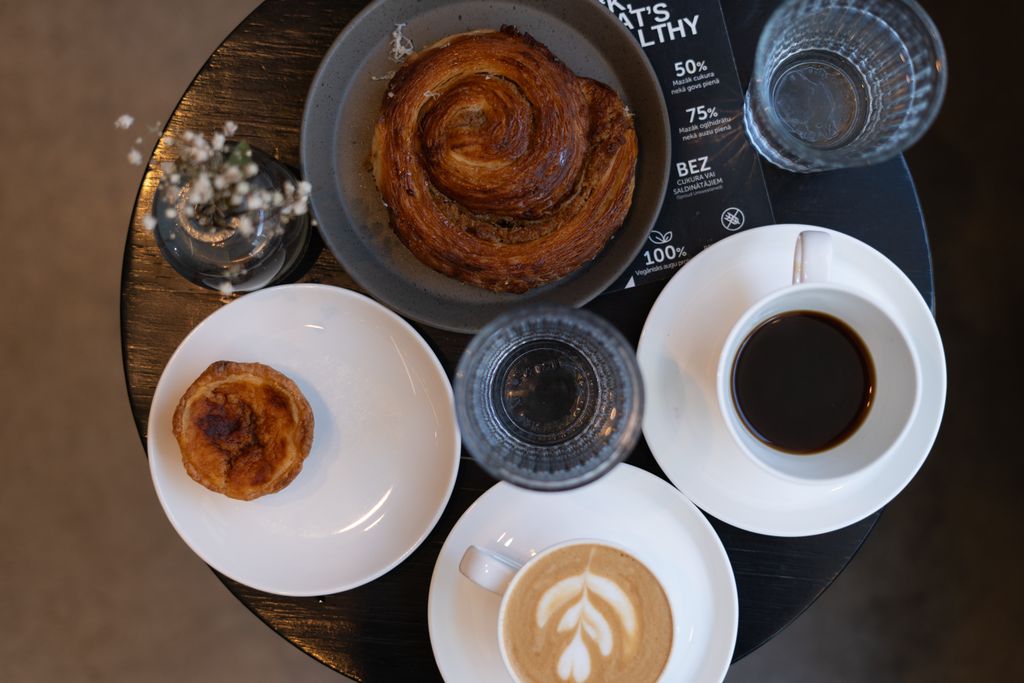
Fika involves coffee (always coffee, though tea is technically acceptable), usually accompanied by something sweet: cinnamon buns, cookies, cake. But more importantly, it involves taking an actual break, sitting down, and being present with colleagues or friends. The Swedish concept of lagom — roughly “just the right amount” — applies perfectly to fika. Not too long, not too rushed, just right.
Workplaces typically provide fika rooms or areas. Missing fika to keep working is seen as strange, possibly concerning. The cultural message is clear: humans need breaks, and those breaks involve coffee and connection. In a world where “working through lunch” has become a bizarre flex, the Swedish insistence on structured break time feels downright revolutionary.
Middle Eastern Coffee Culture: Hospitality in a Cup
Arabic coffee culture predates Turkish coffee, though the preparation differs significantly. Traditional Arabic coffee uses lighter-roasted beans, often with cardamom added during roasting or brewing, creating a distinctly aromatic, less bitter brew than the darker roasts common elsewhere.
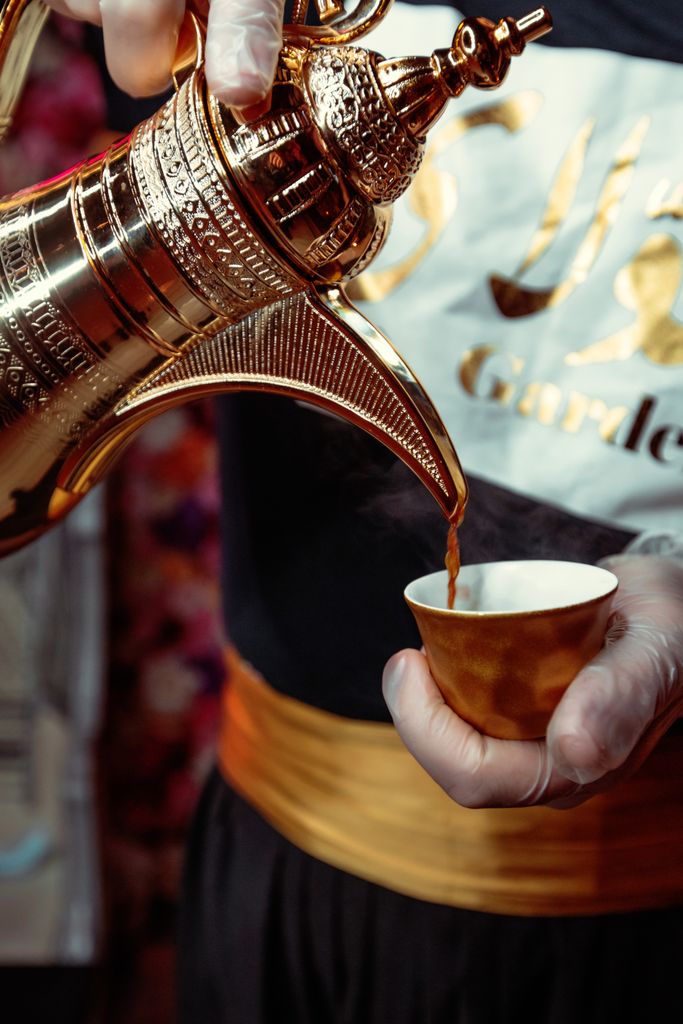
The serving ritual involves hierarchy and etiquette. The host serves guests starting with the eldest or most honored guest, using a special pot called a dallah. Accepting coffee is expected; refusing can be offensive. Guests traditionally accept two or three cups, shaking the empty cup gently to signal they’ve had enough.
The coffee itself is strong and served in small handleless cups, similar to Ethiopian coffee. But it’s the social function that matters most. Coffee signals welcome, hospitality, respect. Bedouin coffee culture, which influenced much of Middle Eastern coffee tradition, centers around generosity and the sacred duty to provide for guests.
October 1st Around the World: How Countries Actually Celebrate
The reality of International Coffee Day varies wildly depending on where you are. Some countries throw full-on festivals, others offer corporate discounts, and some places you wouldn’t even know it’s happening if you weren’t actively looking for it.
United States: Free Coffee and Questionable Marketing
The U.S. approach to International Coffee Day is aggressively commercial, which shouldn’t surprise anyone familiar with how America handles pretty much every holiday. Major chains like Dunkin’, Peet’s Coffee, and Tim Hortons typically offer free coffee or significant discounts. Local independent shops sometimes get creative with special blends, origin tastings, or latte art competitions.

But here’s where it gets interesting: the specialty coffee scene uses October 1st for actual education. Quality roasters might host cupping sessions where customers can taste coffees from different regions side by side and learn about flavor profiles. Some shops bring in farmers or importers to talk about the supply chain, origin relationships, and what “direct trade” actually means beyond marketing speak.
Larger cities sometimes see coordinated events. Coffee festivals might schedule around International Coffee Day, featuring multiple roasters, brewing equipment vendors, educational workshops, and latte art throwdowns. These events actually serve the coffee community rather than just being sales opportunities.
The cognitive dissonance is real though. Celebrating “International Coffee Day” with a free Dunkin’ coffee where you have no idea where the beans came from or what the farmer was paid feels like missing the point. But hey, free coffee is free coffee, and at least people are thinking about coffee for a minute.
United Kingdom: Sustainability Messaging Meets Discount Codes
The UK coffee scene has exploded over the past 15 years, evolving from primarily tea culture to producing some exceptional specialty coffee. International Coffee Day events in the UK often emphasize sustainability and ethical sourcing; probably because British consumers have shown they’ll actually pay more for products with clear ethical credentials.
Major chains like Costa Coffee and Caffè Nero typically offer promotions, while independent roasters and shops lean into educational content. The UK has strong connections to coffee-growing regions through both colonial history and modern trade relationships, and there’s decent awareness of supply chain issues among coffee consumers.
Coffee festivals around early October leverage International Coffee Day for attendance. The London Coffee Festival, if timing aligns, becomes a massive celebration featuring international roasters, equipment manufacturers, brewing championships, and enough espresso to keep a small country alert for weeks.
Australia: Where Coffee Culture Is Unironically Excellent
Australians take coffee seriously enough that they essentially rejected Starbucks: the chain tried expanding aggressively in Australia in the 2000s and spectacularly failed, closing the majority of locations. The reason? Australia’s existing coffee culture was already too good.
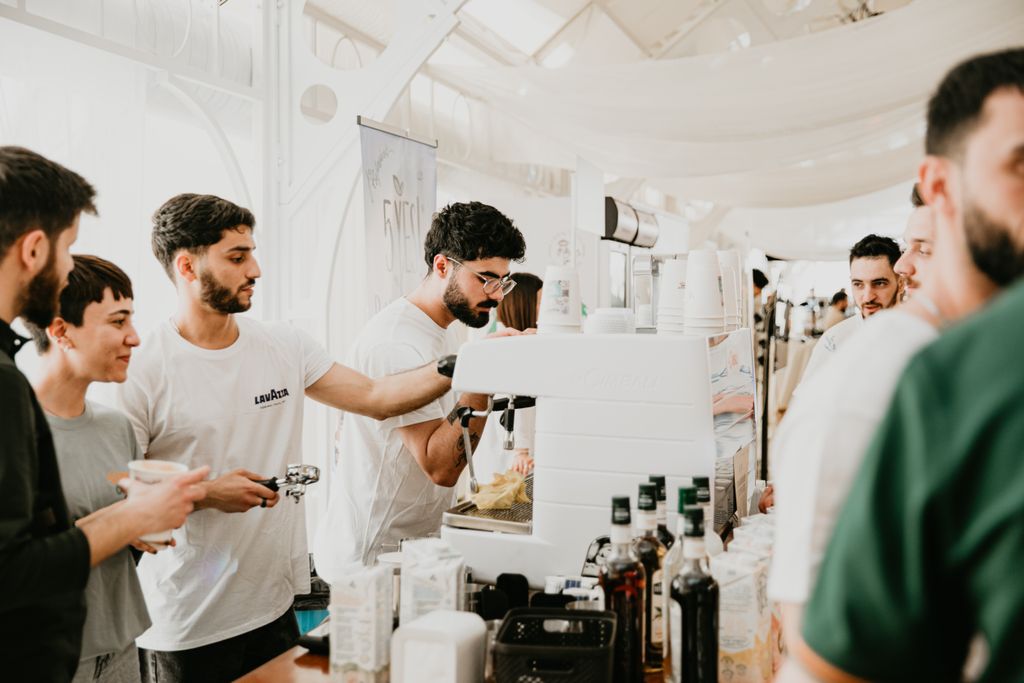
Melbourne particularly has become a global coffee capital, with laneway cafes producing espresso drinks that set international standards. The flat white — espresso with microfoam milk — originated in either Australia or New Zealand (both countries claim it, which has created a friendly trans-Tasman rivalry), and it’s now consumed worldwide.
For International Coffee Day, Australian celebrations might include origin-focused tastings, barista competitions, or events highlighting direct relationships between Australian roasters and coffee farmers. The Australian specialty coffee community has strong connections to coffee-producing regions, particularly in East Africa and Central America.
Colombia: Celebrating the Source
In Colombia, International Coffee Day takes on special significance since coffee is both a major export and a source of national pride. The Colombian Coffee Growers Federation (FNC) often coordinates events across coffee-growing regions, providing opportunities for consumers to visit fincas (coffee farms), participate in picking, watch processing, and taste coffee from specific farms.
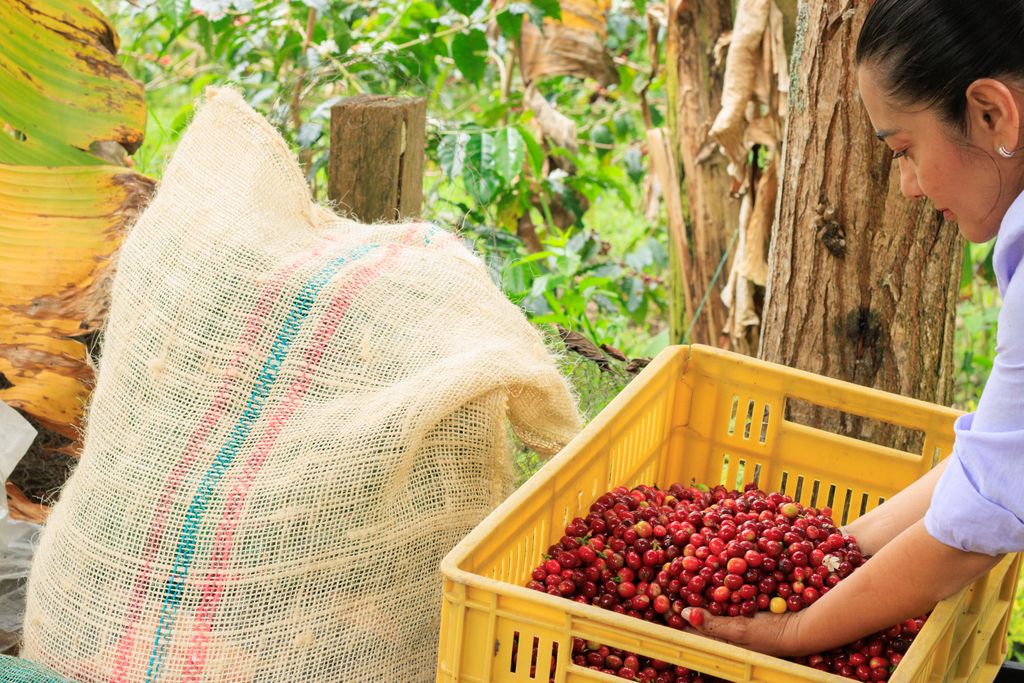
The Coffee Triangle region (Caldas, Risaralda, and Quindío departments) hosts major celebrations. Towns like Salento become extra festive, with cultural events, traditional music, and food alongside the coffee celebrations. This isn’t just marketing; these communities depend on coffee economically, and International Coffee Day provides a chance to showcase their product and tell their stories directly.
What’s powerful about Colombian celebrations is the direct connection between coffee farmers and consumers. You’re not several transaction layers removed from the source, you can meet the family who grew your coffee, walk through their farm, understand their challenges and processes. This kind of transparency is what International Coffee Day is supposed to promote.
Ethiopia: Honoring the Birthplace
Ethiopia’s relationship with International Coffee Day is complicated by the fact that Ethiopian coffee culture doesn’t need a special day; every day is coffee day. The coffee ceremony happens daily in households and businesses across the country. Coffee is integral to Ethiopian identity, not a special occasion beverage.
That said, October 1st does see organized events promoting Ethiopian coffee internationally. The Ethiopian Coffee and Tea Authority sometimes coordinates marketing campaigns highlighting Ethiopian coffee’s unique qualities: the diverse flavor profiles from different growing regions, the ancient coffee forests where coffee still grows wild, the cultural significance of the coffee ceremony.
For coffee enthusiasts, traveling to Ethiopia for International Coffee Day (or anytime, really) provides unparalleled access to coffee culture. Tours through coffee-growing regions like Yirgacheffe, Sidamo, or Harrar show the full process from cherry to cup, and the coffee ceremonies you’ll experience are the real deal, not tourist performances.
Italy: Espresso Business as Usual
Italy’s approach to International Coffee Day is essentially “we do this every day already, what’s special about October 1st?” Italian coffee culture doesn’t need a designated day because espresso is already woven into the fabric of daily life.
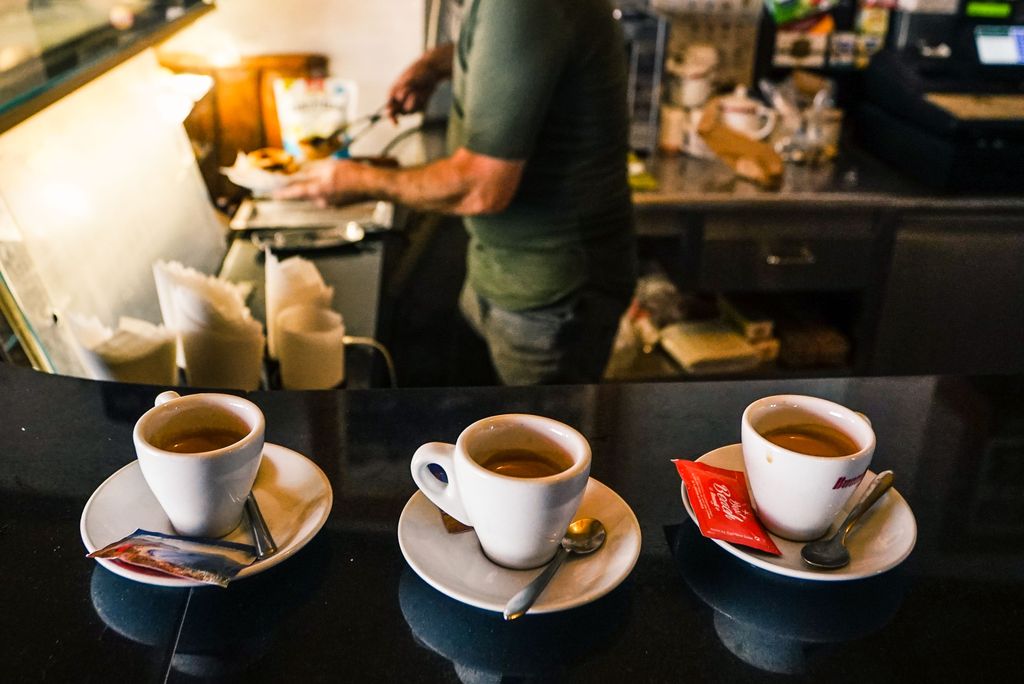
That said, some Italian coffee companies use the day for marketing around coffee quality and tradition. Museums like Lavazza’s coffee museum in Turin might schedule special events. Traditional coffee roasters might offer tours or tastings. But mostly, Italians will drink their morning espresso at the bar, their afternoon espresso after lunch, and maybe a coffee after dinner, same as always.
The interesting events happen when Italian coffee culture gets exported. Italian coffee companies and baristas working internationally use October 1st to promote proper espresso culture: education about timing, proper preparation, traditional serving methods. The message is usually some variation of “let us show you how coffee should actually be done”.
Japan: Precision and Presentation
Japan celebrates International Coffee Day with characteristic attention to detail. Events might include regional coffee roasters showcasing single-origin beans, pour-over demonstrations with exacting technique, coffee and dessert pairing sessions, or workshops on home brewing methods.
The Japanese specialty coffee community uses October 1st to highlight relationships with coffee farmers and discuss direct trade practices. Many Japanese roasters maintain close relationships with specific farms, visiting regularly and providing feedback that helps farmers improve quality (and command higher prices).
Tokyo coffee shops might create special blends for International Coffee Day or offer tastings of rare microlots. The presentation and ceremony around these events reflects Japanese aesthetic values: beautiful, thoughtful, precise.
Indonesia: Island Coffee Diversity
Indonesia produces some of the world’s most distinctive coffee, with different islands producing dramatically different profiles. Sumatra’s earthy, herbal, full-bodied coffee tastes nothing like Java’s cleaner, brighter coffee or Sulawesi’s smooth, balanced profiles.
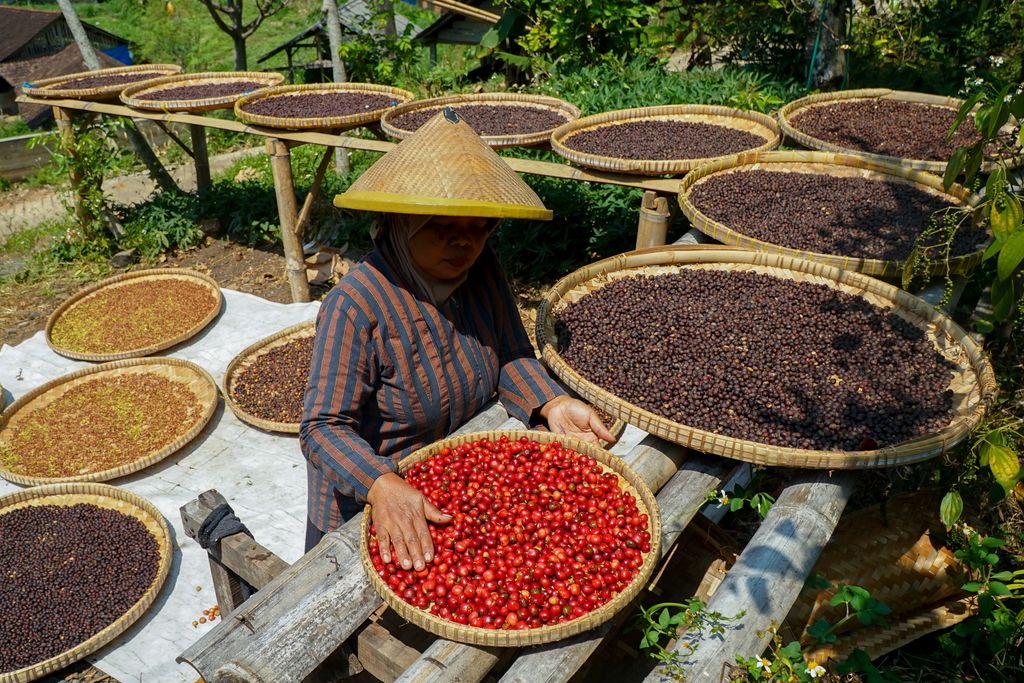
International Coffee Day events in Indonesia might focus on regional coffee diversity, traditional processing methods, or the specialty coffee movement emerging in urban areas like Jakarta and Bali. The country has complex coffee history, with production expanding during Dutch colonial rule but becoming increasingly farmer-owned post-independence.
Bali particularly has embraced coffee tourism, with numerous farms offering tours and tastings (including the infamous kopi luwak made from beans eaten and excreted by civets — a process that’s controversial, potentially unethical depending on farming practices, and often overpriced for what amounts to a gimmick).
From Cherry to Cup: Why Processing Actually Matters
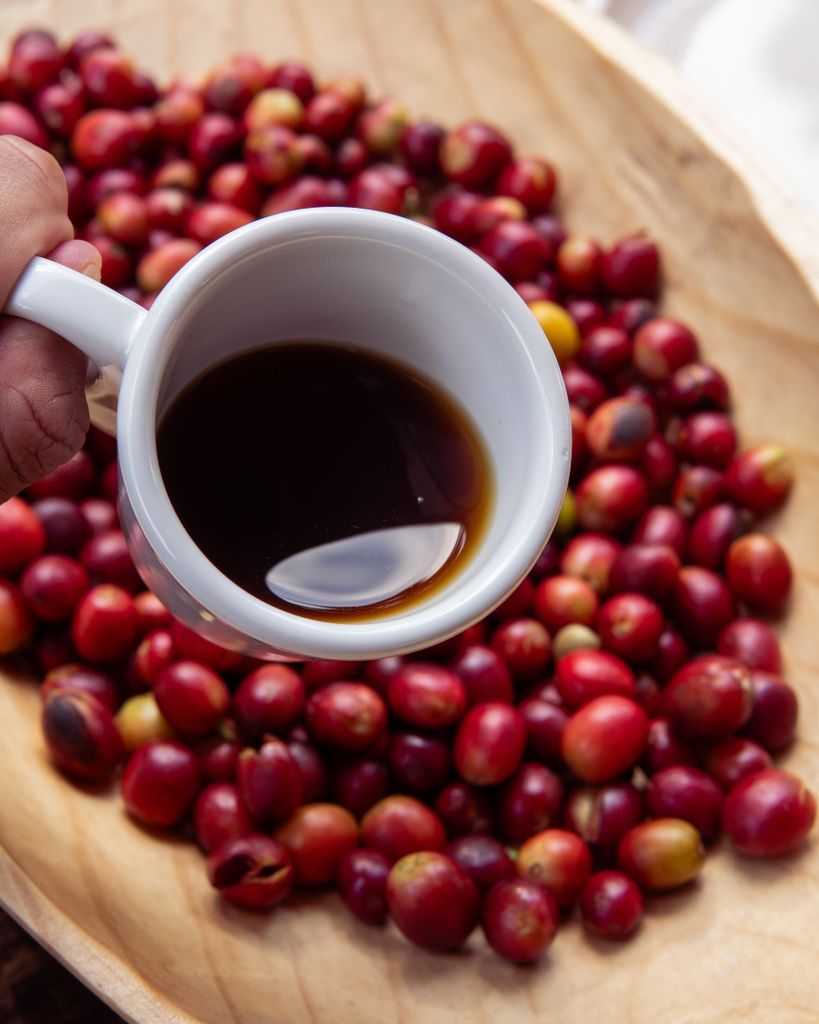
Most people drink coffee without thinking about the absurd amount of work that happened before that coffee hit their cup. The coffee you’re drinking right now went through at least a dozen hands and probably traveled thousands of miles. Understanding processing methods is where coffee gets really interesting — and where you start to understand why some coffee costs $15 per pound and other coffee costs $40.
The Coffee Cherry Problem
Here’s what most people don’t realize: coffee doesn’t grow as beans. It grows as cherries on trees that take 3-4 years to start producing and need specific climate conditions; typically high altitude, tropical or subtropical climate, volcanic soil, and a perfect balance of rain and dry seasons. The “beans” are actually the seeds inside the cherry fruit.
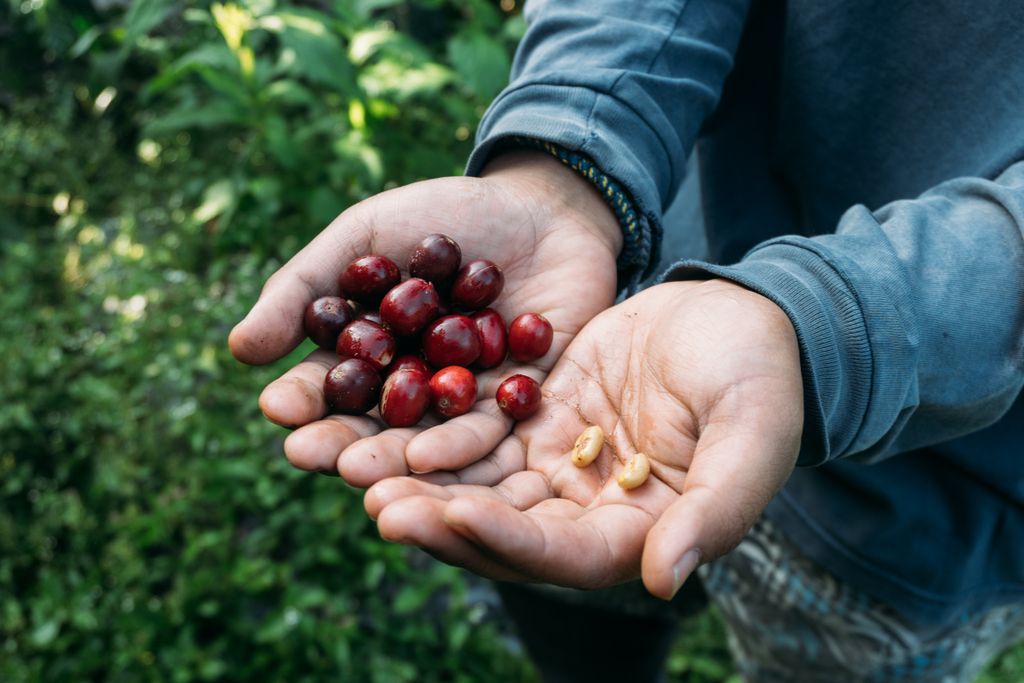
Each coffee cherry typically contains two seeds facing each other. Occasionally you get a single round seed called a peaberry, which some people swear tastes better (the jury’s still out on whether that’s real or marketing). The cherry itself has layers: outer skin (exocarp), fruit flesh (mesocarp), a slimy layer called mucilage, a papery layer (parchment), and finally the seed (the coffee “bean”) covered in a thin layer called silverskin.
Processing is about how you remove all those layers to get to the seed—and this seemingly technical decision dramatically affects flavor. The same coffee, from the same farm, processed differently, will taste completely different.
Natural/Dry Processing: The Original Method
Natural processing is the oldest method and the simplest: pick the cherries, lay them out in the sun to dry with all the fruit still attached, wait 3-4 weeks while turning them regularly to prevent mold, remove the dried fruit husk when the moisture content drops below 12%.
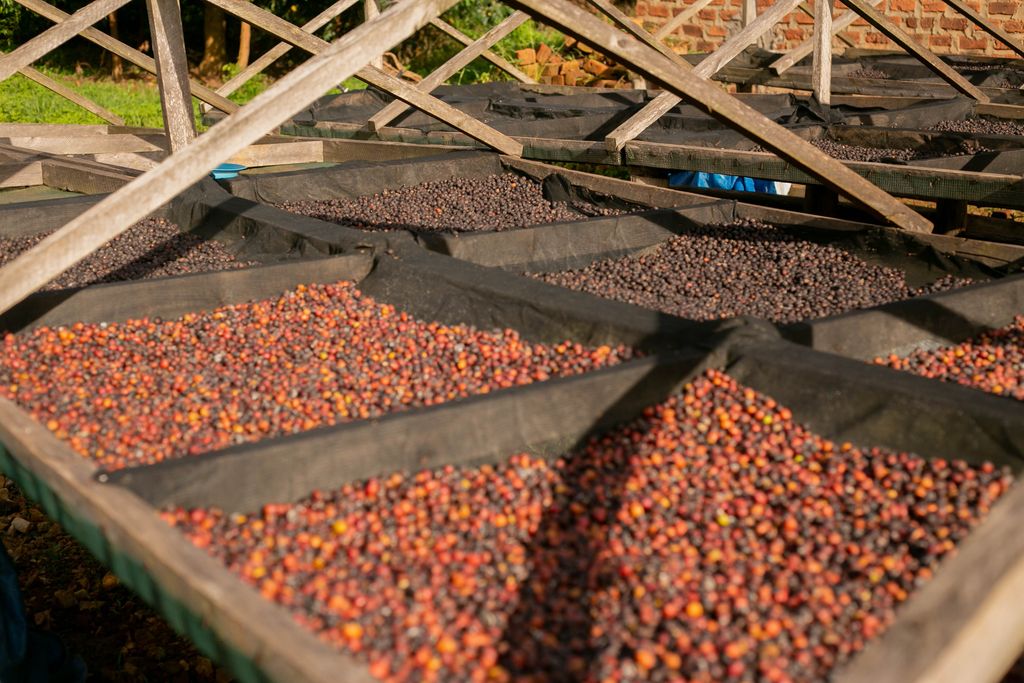
This method was born from necessity in regions without reliable water access (hello, Ethiopia and Yemen). But it creates distinctive fruity, wine-like flavors as the bean essentially ferments inside the drying cherry. Natural processed Ethiopian coffee often tastes like blueberry compote, which sounds made up but is legitimately noticeable when you know what you’re tasting for.
The risks are real though. If cherries don’t dry evenly or moisture gets in, you get mold and fermentation defects that ruin the coffee. Weather has to cooperate. You need space to spread cherries out. Lots of space. And the cherries need to be picked at perfect ripeness; underripe cherries create astringent flavors that processing can’t fix.
For farmers, natural processing has advantages: lower water requirements (crucial in drought-prone regions), less equipment needed, potentially higher cup quality if done well. The downsides: higher risk of defects, weather-dependent, labor-intensive turning and monitoring, longer before coffee can be sold.
Washed/Wet Processing: Clean and Bright
Washed processing is more complex and requires infrastructure, but produces cleaner, brighter coffee with more acidity and clarity. The process: pick cherries, remove the fruit flesh (depulping), ferment in water tanks to break down the mucilage layer, wash thoroughly, dry the parchment-covered seeds.
The fermentation step is crucial and somewhat magical. Microorganisms break down the mucilage over 12-48 hours depending on temperature and technique. The fermentation time affects flavor: too short and mucilage remains, too long and you get fermentation defects.
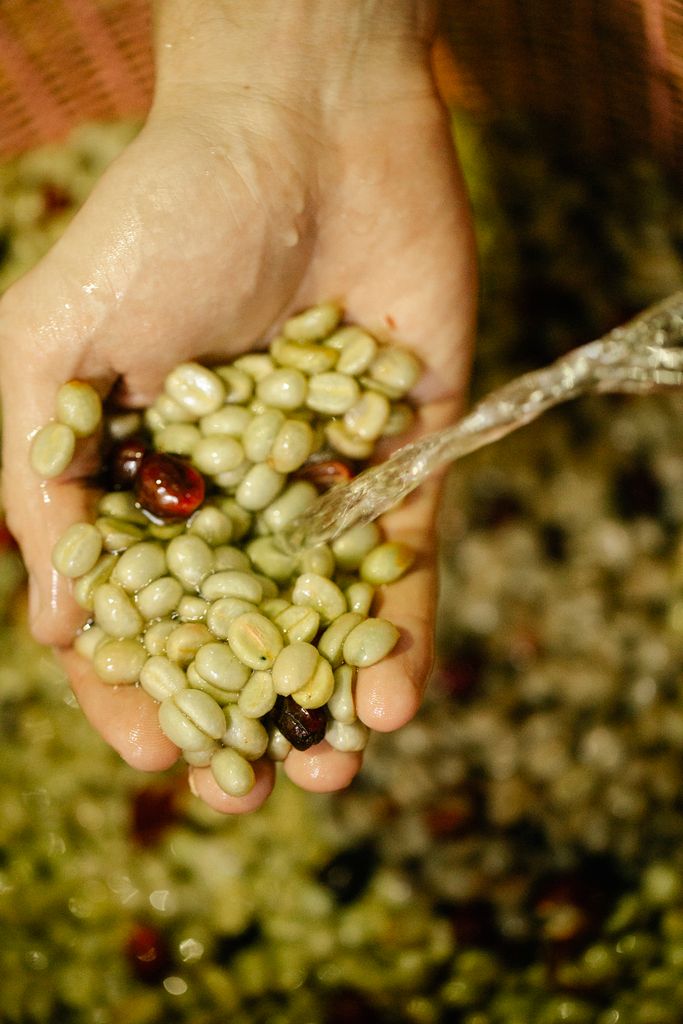
Washed coffees let the bean’s inherent characteristics shine through more clearly than natural processing. If you’re drinking a coffee described as having “bright citrus acidity” or “clean finish”, it’s probably washed. Central American coffees are typically washed, which contributes to their characteristic clarity and balance.
The environmental concerns are legitimate. Washed processing uses significant water; reports vary, but potentially 40-50 liters per kilogram of dried coffee. The wastewater contains sugars and organic matter that can pollute waterways if dumped untreated. More progressive farms recycle wash water or compost the removed fruit for fertilizer, but not everyone has those resources.
For farmers, washed processing offers more consistent quality and cleaner flavors that typically score higher (meaning higher prices). But it requires water access, processing equipment, fermentation tanks, and technical knowledge. Initial investment is higher.
Honey Processing: The Sweet Spot
Honey processing sits between natural and washed, and no, there’s no actual honey involved. After depulping, some or all of the mucilage stays on the seed during drying. The sticky mucilage gives this method its name, nothing to do with bees.
The variations get specific: white honey (most mucilage removed), yellow honey (some mucilage remaining), red honey (more mucilage), black honey (almost all mucilage retained). The more mucilage left on during drying, the fruitier and sweeter the resulting coffee, but also the more careful the drying process needs to be to prevent defects.
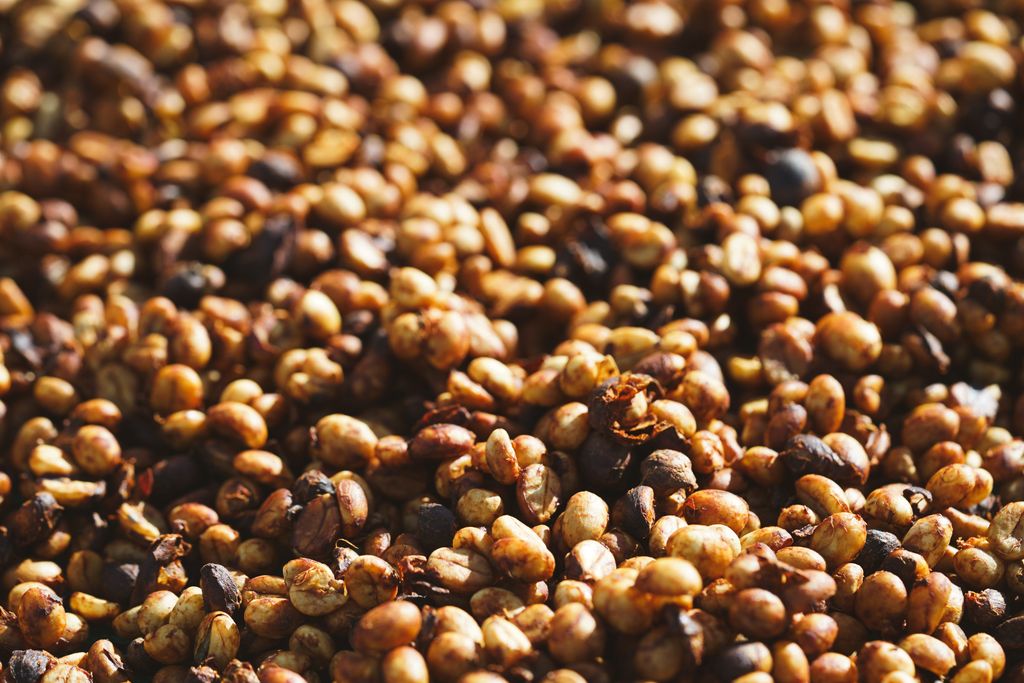
Costa Rica pioneered modern honey processing techniques, and the country produces some exceptional honey processed coffees with complex sweetness and fruit notes balanced by good acidity. The method has spread to other origins as farmers look for ways to create distinctive flavors and command higher prices.
Honey processing offers a middle path for farmers: less water than washed processing, potentially more distinctive flavors than either washed or natural, but requires knowledge and careful monitoring during drying. Weather risks remain but aren’t quite as severe as natural processing.
Experimental Processing: When Coffee Gets Weird
The specialty coffee market has created incentive for farmers and processors to experiment, leading to some wild innovations borrowed from wine-making and other fermentation sciences.
Experimental processing can produce coffees scoring 95+ points and selling for $100+ per pound. ☕
Anaerobic fermentation involves sealing the coffee in tanks without oxygen, creating different fermentation conditions that can produce unusual fruity, winey, sometimes polarizing flavors. Some people taste strawberry and tropical fruit; others taste too much funk and fermentation.
Carbonic maceration (yes, from wine-making) involves fermenting whole cherries in CO2-rich environments. The results can be extraordinary (complex fruit flavors, unique aromatics, distinctive profiles) or they can taste like someone spilled wine in your coffee. It’s polarizing.
Lactic fermentation cultures specific bacteria to produce lactic acid during processing, creating creamy, yogurt-like flavors. Sometimes it works beautifully. Sometimes it tastes like someone put sour cream in coffee. The experimentation continues.
These experimental processes can create coffees that score extremely high in cupping (95+ points) and sell for ridiculous prices: $100+ per pound, sometimes much more for competition lots. For farmers with the knowledge and risk tolerance to experiment, it offers potential for dramatically higher income. For coffee drinkers, it provides fascinating, sometimes bizarre, always interesting coffee experiences.
The Real Cost of Quality: Specialty vs. Commercial Coffee
This is where understanding coffee gets uncomfortable, because once you know the economics, that $25 bag of specialty coffee starts making sense and the $5 grocery store bag starts looking less like a deal and more like a symptom of a broken system.
The Price Breakdown Nobody Talks About
Commercial coffee trades as a commodity on the C-market (the “C” stands for coffee futures). As of recent years, C-market prices have hovered around $2.38-4.37 per pound of green coffee, though they fluctuate. At these prices, most coffee farmers earn below living wage.

The calculation is brutal: after production costs (labor, fertilizer, equipment, processing), many farmers see profit margins around 10-20 cents per pound. When prices drop below production costs, which happens regularly, farmers go into debt or abandon coffee farming entirely.
Specialty coffee operates outside the C-market through direct trade or relationship-based purchasing. Specialty-grade coffee (scoring 80+ points on the SCA’s 100-point scale) can command 2-5x C-market prices, sometimes 10x for exceptional microlots. This isn’t price gouging; it’s the actual cost of producing high-quality coffee sustainably.
The math on your expensive specialty coffee: If you pay $25 for a 12-ounce bag, the roaster probably paid $4-7 for that pound of green coffee. After roasting (which loses about 15-20% of weight to moisture), packaging, overhead, and retail markup, those numbers make sense. The farmer who grew exceptional coffee might have received $3-5 per pound instead of $1.50, literally double or triple the income.
What Quality Actually Means
The SCA coffee grading system evaluates green (unroasted) coffee on multiple factors: defects, uniformity, color, moisture content, and water activity. Specialty grade means no primary defects and fewer than five secondary defects in a 350-gram sample. Sounds technical, but defects include broken beans, insect damage, foreign objects, mold, and fermentation issues that create off-flavors.
Cupping (professional coffee tasting) evaluates roasted coffee on fragrance, aroma, flavor, aftertaste, acidity, body, balance, uniformity, clean cup, sweetness, and overall impression. Scores of 80-84.99 qualify as specialty; 85-89.99 is excellent; 90+ is outstanding; 95+ is basically unicorn territory.
Learning to taste these differences requires training. The SCA offers various certifications — Coffee Skills Program levels in different focus areas. The Q Grader certification through the Coffee Quality Institute is the gold standard for professional tasting, requiring passing 20 tests over several days including triangulation tests (identify which cup is different), matching coffees to their flavor profiles, and calibration with other graders.
The sensory training process basically ruins cheap coffee forever. Once you’ve tasted clean, sweet, complex specialty coffee and learned to identify specific flavors, going back to burnt, bitter, generic coffee is like going from fresh-squeezed orange juice to Tang. Technically possible, but why would you?
The Equipment Rabbit Hole
Here’s where “saving money by making coffee at home” becomes its own expensive joke. The starter investment seems reasonable: decent burr grinder ($100-200), basic brewing method like a French press or pour-over setup ($20-50), kitchen scale ($20), good coffee ($15-20 per bag). Total: maybe $200.
“Once you learn to taste the difference, you can’t go back to the grocery store aisle. ☕
Then the optimization begins. The grinder matters more than people think: blade grinders create uneven particle size, which means simultaneous over-extraction and under-extraction. Better grinder ($300-500). The water matters: chlorine, minerals, pH all affect extraction. Water filtering pitcher or adjusting water chemistry ($50-100).
Temperature control matters. Gooseneck kettle with precise temperature control ($80-150). Different brewing methods for different beans: add an AeroPress, Chemex, V60, maybe a siphon ($100-200). The coffee itself gets more expensive as your palate develops ($20-40 per bag instead of $15).
Then someone mentions espresso. Do NOT, under any circumstances, research espresso equipment unless you’re prepared for this: entry-level espresso setup (machine + grinder capable of espresso) starts around $1,000-1,500 for anything that will actually produce good espresso. Mid-range setups run $2,000-5,000. High-end home equipment can hit $10,000+. Commercial-grade home setups exist for people who’ve completely abandoned financial sense.
But here’s the thing: the coffee from proper equipment with good beans genuinely tastes better. Dramatically better. Cafe-quality espresso at home is achievable with sufficient investment and practice. The question becomes: when does “saving money” admit defeat and become “expensive hobby I can’t quit”? That line got crossed around the third grinder upgrade.
What “Fair Trade” and “Direct Trade” Actually Mean
Fair Trade certification sets minimum prices ($1.75+ per pound of green coffee, plus an additional $0.20 premium for cooperative development), prohibits child labor, and requires democratic cooperative structures. The system helps establish price floors when C-market prices crash, provides community development funding, and ensures some basic labor and environmental standards.
The criticisms are worth understanding though. Fair Trade certification costs money — money small farmers might not have. The premiums don’t always reach farmers directly if cooperative leadership is corrupt or inefficient. The quality requirements are relatively low, so Fair Trade coffee can still taste pretty mediocre. And the minimum price, while better than C-market crashes, still isn’t enough for thriving farm businesses.
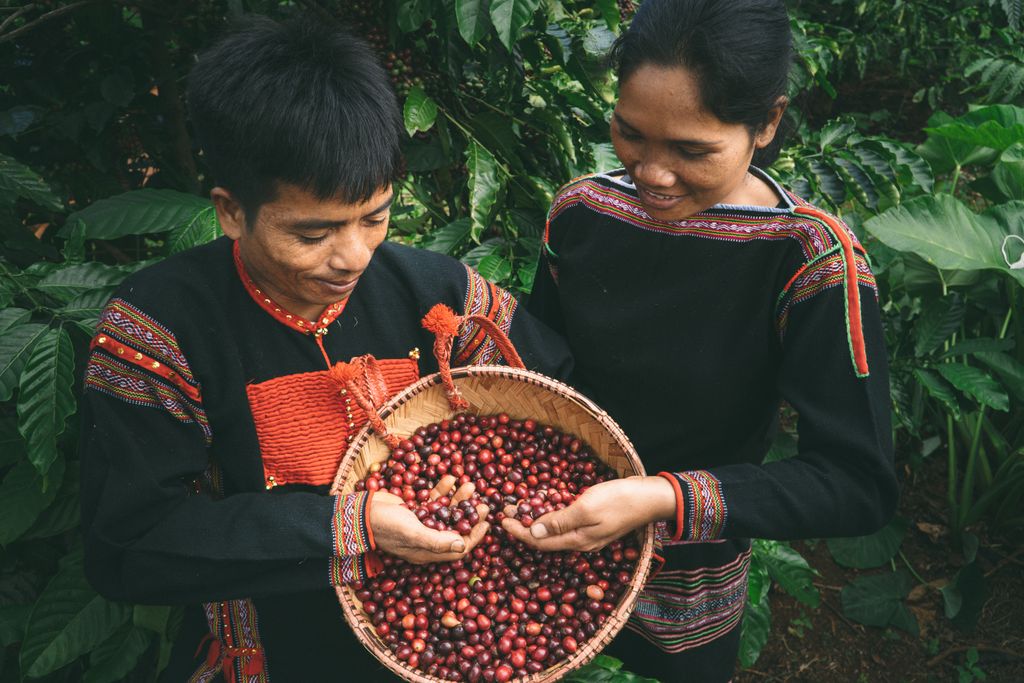
Direct Trade isn’t a certification, it’s more a philosophy. Roasters bypass traditional supply chains to work directly with farmers or cooperatives, negotiate prices based on quality rather than commodity markets, often visit farms regularly, and sometimes provide technical support or financing. The potential benefits include much higher prices for farmers (sometimes 3-10x C-market), quality feedback that helps farmers improve and earn more, stable multi-year relationships, and transparency about where coffee comes from.
The catch is there’s no standard definition or oversight. “Direct trade” can mean genuine partnerships with high transparency and fair pricing, or it can be marketing language slapped on regular supply chains. Some roasters publish transparency reports showing exactly what they paid farmers; others use “direct trade” vaguely without backing it up with information.
The best approach as a consumer is asking questions. Where did this coffee come from? What farm or cooperative? What did the farmer receive? Quality roasters will have answers. If someone gets defensive about transparency questions, that’s information.
Beyond Drinking: Creative Ways to Actually Celebrate International Coffee Day
Drinking coffee on International Coffee Day is fine, but it’s like celebrating Thanksgiving by just eating food without acknowledging anything else. Here are ways to engage with coffee culture that go beyond consumption.
Take a Cupping Class (And Discover Your Palate Is More Developed Than You Think)
Professional cupping follows SCA protocols: smell dry grounds, pour 93°C water, break the crust, taste at different temperatures using a specific slurping technique that aerosolizes the coffee across your entire palate. Sounds pretentious. Actually reveals that you can taste differences you didn’t think were possible.
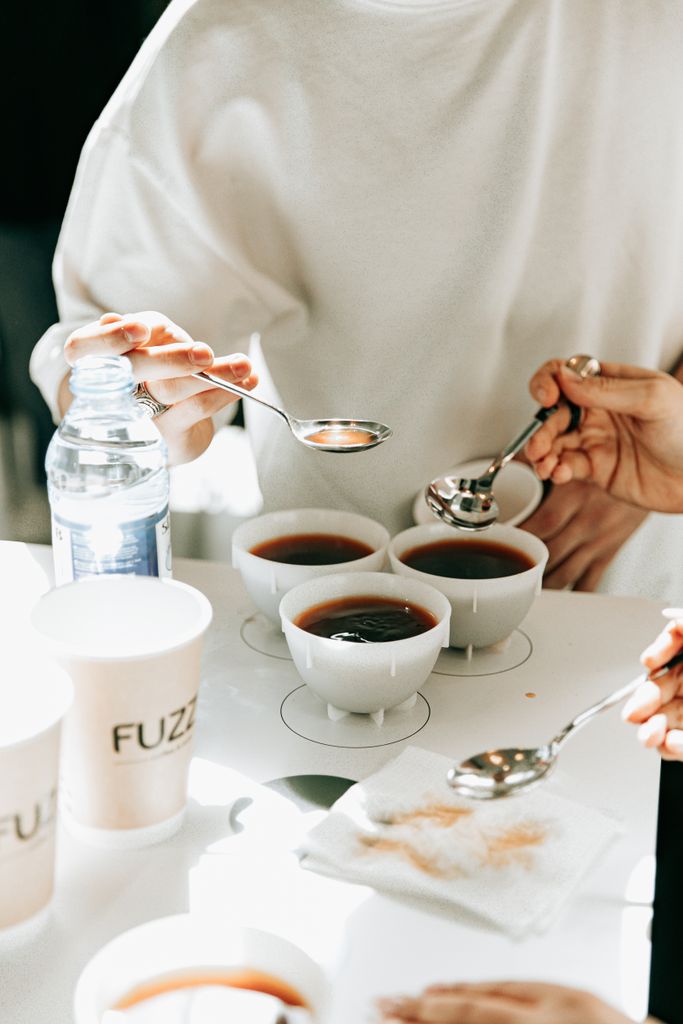
Most specialty roasters offer public cuppings periodically. International Coffee Day is perfect timing because roasters often schedule special sessions. You’ll taste 3-8 different coffees side by side (different origins, processing methods, roast levels) and learn the vocabulary to describe what you’re tasting.
The revelation usually hits around the third coffee: “Wait, this one actually does taste like blueberries. I’m not making this up.” The flavor wheel stops seeming like coffee snob nonsense and starts making sense. Ethiopian natural suddenly tastes distinctly different from Colombian washed. You notice acidity, body, finish, sweetness levels.
The downside is this education ruins grocery store coffee forever. Once you’ve tasted clean, complex, interesting coffee, going back to pre-ground Folgers feels like the beverage equivalent of downgrading from HD to VHS. But at least you’ll understand why that $25 bag of Ethiopian Guji costs what it does.
Try a Brewing Method You’ve Never Used
If you’ve only ever made drip coffee, International Coffee Day is your excuse to try something different. Each brewing method extracts different qualities from coffee and produces distinct results.
French press is forgiving and full-bodied. Coarse grind, four-minute steep, press slowly. You get more oils and sediment than paper-filtered methods, creating heavier body and different mouthfeel. Great for showcasing coffees with chocolate or nutty flavors.
Pour-over (V60, Chemex, Kalita Wave) requires more attention but produces clean, nuanced coffee. The paper filter removes oils and sediment, letting subtle flavors shine through. Pour-over particularly highlights floral, fruity, or tea-like coffees. The ritual of slowly pouring water in circles, watching the bloom, timing each pour… it’s meditative if you’re into that, tedious if you’re not.
AeroPress is the weird hybrid device that’s become a travel staple and competition brewing method. Short brewing time, pressure during plunging, endless recipe variations. You can make espresso-style concentrate or American-style coffee depending on technique. The AeroPress Championship (yes, really) showcases how much variety this simple device enables.
Moka pot makes intensely strong coffee using pressure from steam. Not technically espresso but similarly concentrated. Common in Italian and Latin American households. The coffee comes out bold, slightly bitter, perfect for milk drinks or drinking small and strong.
Turkish cezve creates the thick, intense, fortune-telling coffee discussed earlier. Requires finely ground coffee (like powder), patience to not let it boil over, and acceptance that you’ll have sediment. The flavor is distinctive: strong, sometimes spiced with cardamom.
Vietnamese phin produces sweet, strong coffee perfect for pouring over ice with condensed milk. The brewing is slow — the coffee drips through gradually — but the ritual of watching your coffee slowly accumulate while sitting in a plastic chair on a Vietnamese sidewalk is peak coffee culture.
Pick one you haven’t tried, buy or borrow the equipment, watch some tutorials, and commit to the learning curve. First attempts will be mediocre. That’s normal. By attempt three or four, you’ll start understanding how that method works.
Host a Coffee Tasting With Different Origins
This is basically wine tasting for coffee nerds, and it’s more fun than it sounds. Buy 3-4 different single-origin coffees from different regions; maybe Ethiopian natural, Colombian washed, Sumatran, and something from Central America. Brew them using the same method so brewing variables don’t interfere. Taste them side by side.
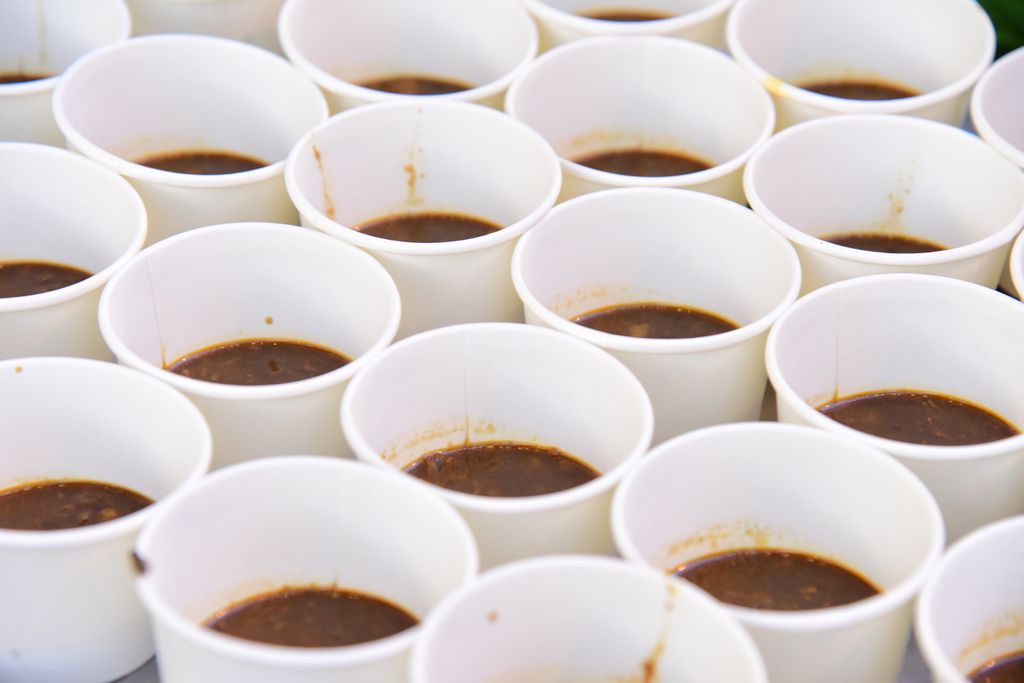
Provide simple tasting notes but don’t tell people what they should taste. The fun is discovering preferences. Some people love bright, acidic Ethiopian coffee. Others prefer earthy, full-bodied Sumatran. There’s no right answer, just preferences.
Talk about what you notice: How does body differ? Which has more acidity? Can you taste fruit flavors? Chocolate? Nuts? Which finish lingers longest? Would you add milk to any of these? The conversation naturally leads to discussing coffee origins, processing, and why these coffees taste so different despite being the same species of plant.
For extra credit, do a blind tasting. Have someone else pour and label the cups with numbers. See if you can identify which coffee is which based purely on taste. This is harder than it sounds and reveals how much we’re influenced by expectations and labels.
Support a Coffee Farmer Through Direct Means
International Coffee Day is specifically about honoring the farmers who make coffee possible, so putting money directly toward farmers makes sense. Several platforms connect consumers to farmers:
Cropster and similar platforms let you “adopt” a coffee tree or support specific farmers, receiving updates about harvest and sometimes samples of your tree’s coffee. It’s somewhat gimmicky but does create direct financial support and connection.
Coffee cooperatives often accept direct donations for community development projects—schools, healthcare, infrastructure, processing equipment upgrades. Organizations like Coffee Kids and Grounds for Health do development work in coffee communities.
Buy better coffee sounds obvious but matters more than one-time donations. If you regularly buy $12 grocery store coffee and switch to $20-25 specialty coffee from transparent roasters, you’re consistently putting more money toward farmers. The cumulative impact of switching your daily coffee budget is significant.
Share knowledge about coffee economics and supply chains. Most people don’t know that farmers typically receive less than 10% of the retail price of commercial coffee. Explaining why specialty coffee costs more (and why that’s actually good) helps shift coffee culture toward valuing farmer livelihoods.
Take a Virtual Origin Tour
Can’t travel to coffee-growing regions? Several organizations and roasters now offer virtual tours of coffee farms, processing facilities, and cooperatives. You get video tours, Q&A with farmers, information about growing and processing, and context about the region’s coffee culture.
These virtual experiences obviously can’t replace actually visiting a coffee farm; the smells, the climate, the physical understanding of the work involved, meeting farmers face-to-face. But they’re accessible, often free or cheap, and provide way more information than you’d get otherwise.
Some subscription services also include farm stories and photos with each shipment. Atlas Coffee Club, for example, sends coffee from different origins monthly with postcards and information about the region. It’s educational, creates connection to origins, and exposes you to coffees you wouldn’t normally try.
Learn Latte Art (And Accept That Your First 50 Attempts Will Look Like Blob)
If you have an espresso machine or can make strong coffee and steam milk, International Coffee Day is a great excuse to try latte art. Fair warning: this is harder than YouTube videos make it look. Professional baristas practiced for months to make those perfect hearts and rosettas.
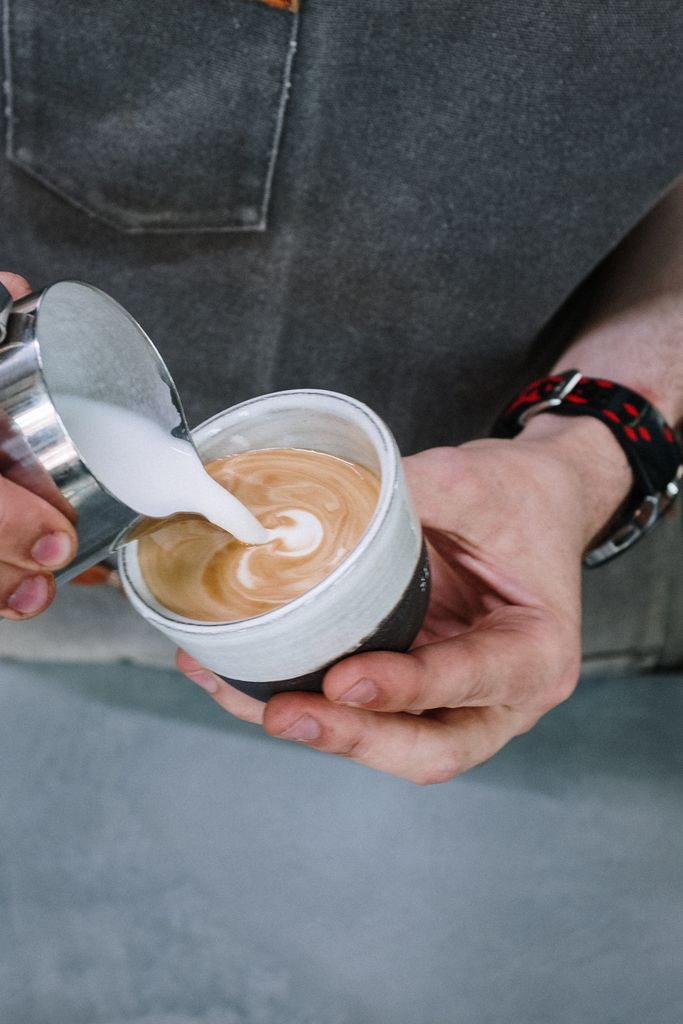
The basics: You need microfoam (steamed milk with tiny bubbles, glossy and smooth, not giant foam), properly pulled espresso, a pitcher with a spout, and patience. Start with the heart, it’s the simplest pattern. Pour milk from higher up to mix with espresso, move closer to the surface, pour a circle, and cut through the middle while moving the pitcher back.
Your first attempts will look like abstract art created by someone who doesn’t understand abstract art. Blob. Weird shapes. Possibly a heart if you squint and have optimistic imagination. Keep trying. Around attempt 20-30, you might accidentally make something recognizable. By attempt 50-100, you might consistently pour something intentional.
The good news: terrible latte art coffee still tastes fine. The learning process involves drinking a lot of practice lattes. Worse fates exist.
Coffee Destinations Worth the Pilgrimage
If you’re serious about coffee or just enjoy travel with a focused theme, certain destinations offer experiences you can’t replicate elsewhere. These aren’t just cities with good coffee shops; they’re places where coffee culture is deeply embedded or where you can see coffee production firsthand.
Ethiopia: The Spiritual Homeland
Going to Ethiopia for coffee is like going to Rome for Vatican tours if you’re Catholic; you’re visiting the source. Coffee originated in the Ethiopian highlands, possibly in the Kaffa region (hence the name, maybe), and Ethiopians have been drinking it longer than anyone else.
The experience in Ethiopia is different from coffee tourism elsewhere. This isn’t a tourist performance; it’s actual daily life. Coffee ceremonies happen in homes, offices, roadside stands. You’re not watching a demonstration, you’re participating in genuine cultural practice.
The coffee regions are stunning. Yirgacheffe, with its high-altitude farms and processing stations. Sidamo’s rolling hills covered in coffee trees. Harrar’s ancient walled city surrounded by coffee farms using natural processing methods unchanged for centuries. You can visit farms, watch processing, taste coffee at origin, and understand why Ethiopian coffee tastes so distinctly different from everything else.
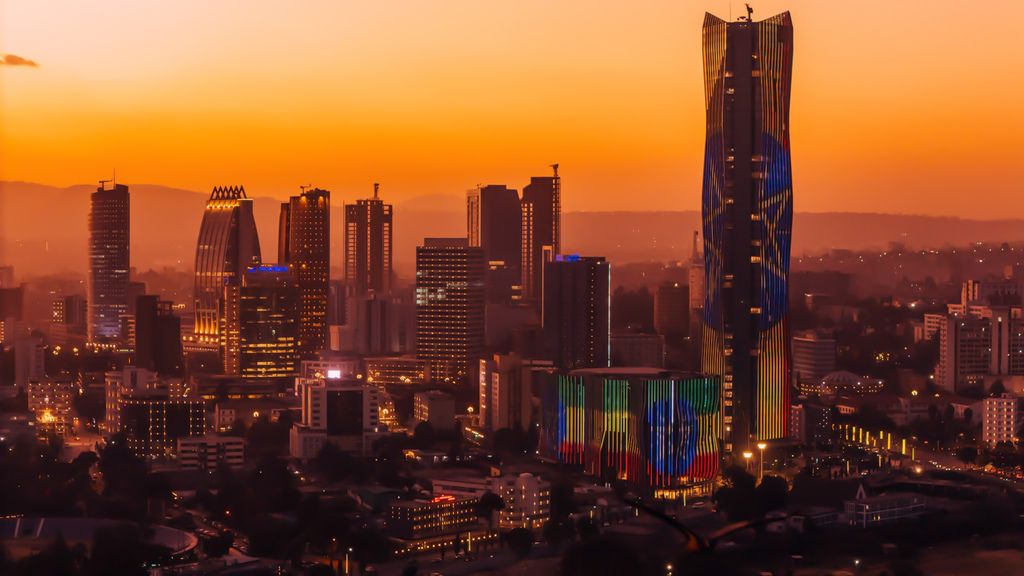
Addis Ababa has thriving cafe culture alongside traditional coffee houses. You’ll find modern espresso bars serving Ethiopian beans prepared both traditionally and with modern techniques. The juxtaposition of ancient coffee ceremony and contemporary cafe culture in the same city is fascinating.
Practical considerations: Ethiopia requires travel planning. Infrastructure varies. English isn’t universally spoken outside major cities. Hiring a guide familiar with coffee regions makes everything easier and provides cultural context you’d miss otherwise. The best time to visit coffee regions is harvest season (November-January) or just after when fresh coffee is available.
Colombia’s Coffee Triangle: Where Tourist Infrastructure Met Coffee Culture
The Coffee Triangle (Eje Cafetero) — the departments of Caldas, Risaralda, and Quindío — is probably the most accessible quality coffee tourism destination globally. The region has embraced coffee tourism with professional infrastructure while maintaining working coffee farms.
Salento is the poster child: charming colonial architecture, Valle de Cocora with its impossibly tall wax palms, and multiple coffee farms offering tours. The tours range from quick 90-minute overviews to multi-day immersive experiences where you pick coffee, process it, roast it, and drink it.
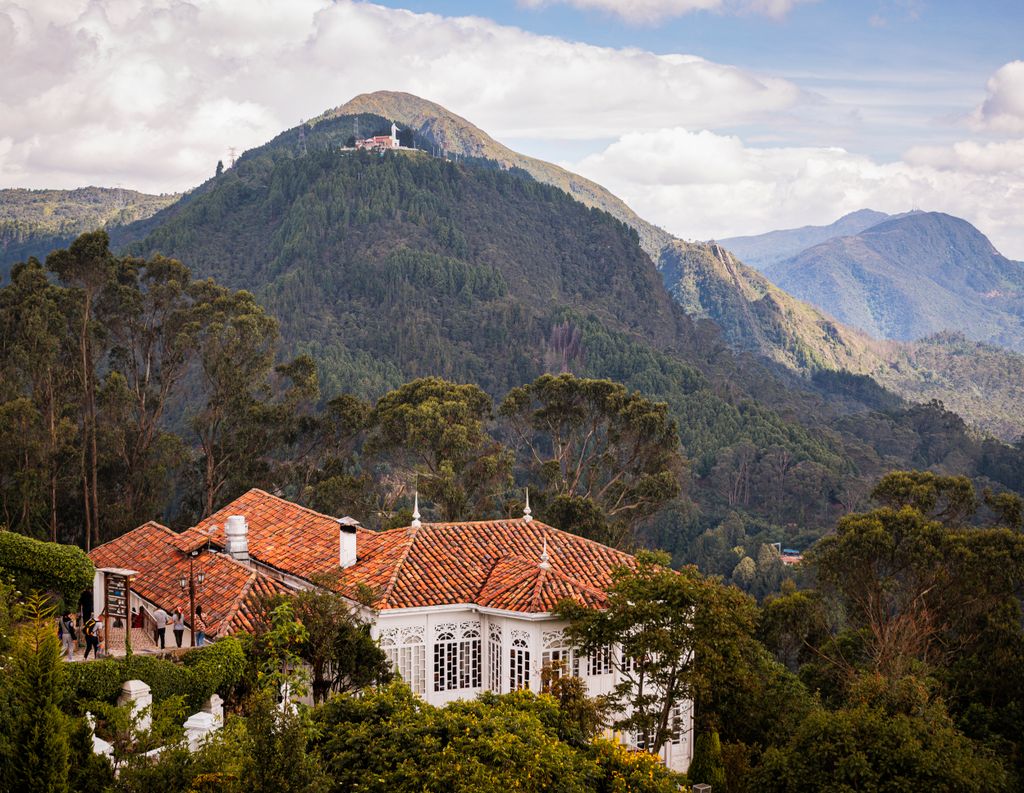
The best farms explain the economics alongside the agriculture. You learn what farmers face: fluctuating coffee prices, climate change effects, the choice between volume and quality, the labor intensity of selective picking. Good tours transform coffee from commodity to agricultural product requiring skill, risk management, and hard work.
The coffee itself is consistently good; Colombian coffee has strong quality control, the washed processing creates clean bright flavors, and the growing conditions (altitude, climate, volcanic soil) are ideal. You’ll taste fresh-roasted coffee, often from the specific farm you’re touring, and the quality difference from months-old coffee is immediately obvious.
Beyond farms, the region offers natural beauty, thermal springs, biodiversity, and genuine Colombian culture less touristed than coastal areas. The coffee tourism feels integrated into regional life rather than performed for tourists.
Melbourne: The Unlikely Coffee Capital
How did Melbourne become a global coffee powerhouse? Several factors: Italian and Greek immigration brought espresso culture, Australian cafe culture evolved its own identity, competition pushed quality up, and consumers demanded excellence. Now Melbourne regularly ranks among the world’s best coffee cities, competing with Italian cities and Seattle.
The laneway cafe culture is distinctively Melbourne. Tiny cafes hidden down narrow lanes, each with its own aesthetic and approach to coffee. The baristas are skilled (many compete professionally) and the standard espresso drink quality exceeds what you’d find in most other cities.
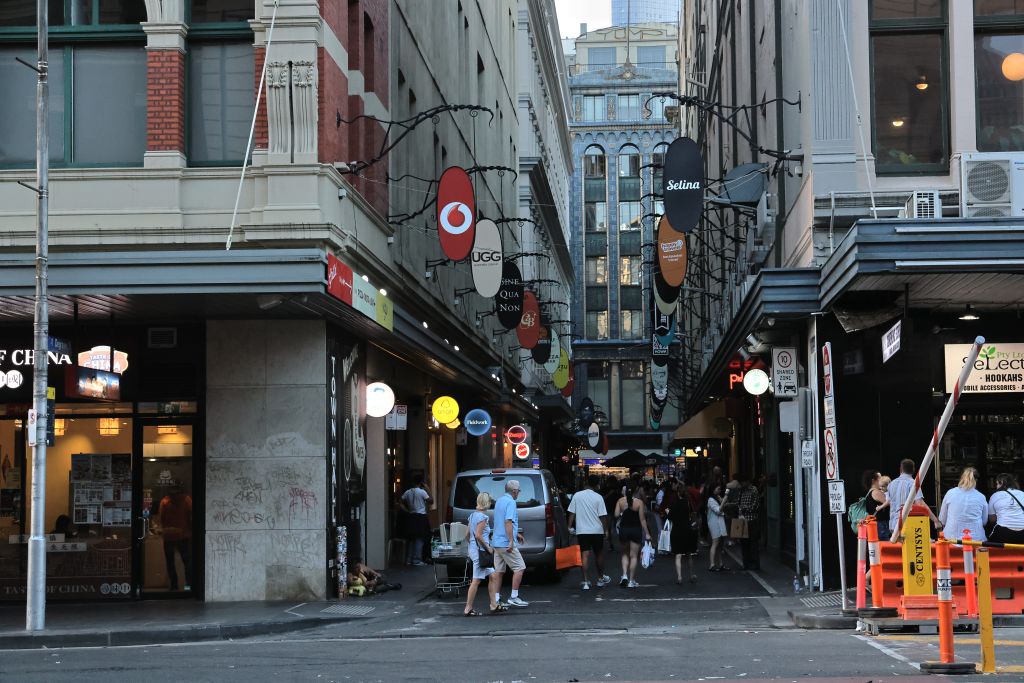
Melbourne coffee culture also innovates. The flat white originated here (or New Zealand, depending on who you ask), and Melbourne cafes continue experimenting with brewing methods, origin rotations, and milk alternatives. The specialty coffee movement thrives, with transparent relationships to farmers, seasonal offerings, and education focus.
Visiting Melbourne for coffee means hopping between cafes, trying different roasters, experiencing the cafe culture that’s woven into daily life. Coffee isn’t a quick transaction; it’s a social ritual. People linger, read, work from cafes. The barista knows your name and your order.
The competition drove out mediocrity. Starbucks famously failed in Australia largely because the existing coffee culture was already too good. Why would you drink burnt coffee from a chain when the local cafe serves better coffee for similar prices and knows your name?
Vienna: Historic Coffeehouse Culture Frozen in Time (For Better and Worse)
Viennese coffeehouse culture is UNESCO-listed intangible cultural heritage. That’s both impressive and slightly concerning. When something becomes UNESCO-protected, it’s often because it’s dying and needs preservation.
The grand coffeehouses (Café Central, Café Hawelka, Café Sperl) are gorgeous: ornate interiors, marble tables, newspapers on wooden holders, waiters in formal attire. The tradition encourages lingering; you can sit for hours over a single melange (coffee with milk and foam) while reading newspapers.
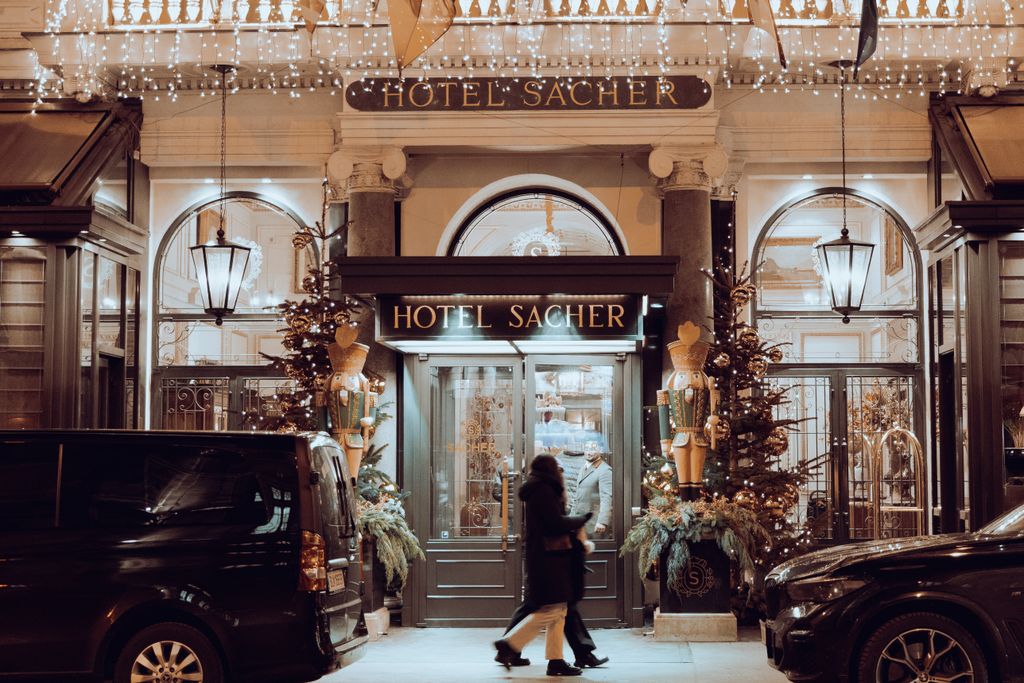
The coffee itself is fine but not spectacular by modern specialty coffee standards. That’s not really the point though. Viennese coffeehouse culture is about the space and ritual more than coffee quality. Writers, artists, intellectuals historically gathered in coffeehouses. Freud had his regular table. The coffeehouse was the “extended living room” where ideas fermented.
Modern Vienna exists alongside historic coffeehouses. Contemporary cafes serve excellent specialty coffee, often from transparent sources, with modern brewing techniques. The city supports both traditions: the historic atmospheric coffeehouses and the modern quality-focused cafes.
If you visit Vienna, hit both: grand coffeehouses for the experience and atmosphere, modern cafes for the coffee quality. Order sachertorte with your coffee because when in Vienna, commit fully to the cliché.
Tokyo: Precision Elevated to Art Form
Tokyo coffee culture operates on multiple levels simultaneously. Traditional kissaten with their dark corners, jazz records, and siphon brewers exist alongside cutting-edge specialty cafes experimenting with fermentation and processing. Convenience store coffee is surprisingly good. The precision and attention to detail is consistent across all levels.
The kissaten experience is time travel. These establishments often haven’t changed in 40-50 years. Wood paneling, analog everything, extensive music collections, specific rituals. The coffee is typically darker-roasted, served in specific cups, prepared with specific methods. Going to a kissaten isn’t about chasing the newest thing; it’s about appreciating preserved tradition.
The modern specialty scene is equally impressive but different. Pour-over preparation becomes theatre: precise temperatures, specific pouring patterns, exact timing, scientific precision. Some cafes specialize in single origin rotations, changing frequently to showcase seasonal offerings. The attention to detail extends beyond coffee to the ceramics, water quality, even the shape of the ice used in iced coffee.
Tokyo’s coffee density is remarkable. You can find excellent coffee every few blocks. The variety ranges from standing-only quick espresso bars to elaborate third-wave cafes to traditional kissaten. The standards are high across the board.
Navigating Tokyo’s coffee scene benefits from research. Some places are tiny (literally 5-6 seats) and don’t take reservations. Language barriers exist at smaller establishments. But the effort pays off in experiencing coffee culture that’s distinctly Japanese while being globally influential.
Seattle: Where Third Wave Began (For Better and Worse)
Seattle’s coffee history is complicated. Yes, Starbucks started here, which gave the world both espresso accessibility and burnt coffee homogenization. But Seattle also birthed the third wave movement — Stumptown, Victrola, Caffe Vita, Espresso Vivace — that emphasized quality, origin transparency, and craft.
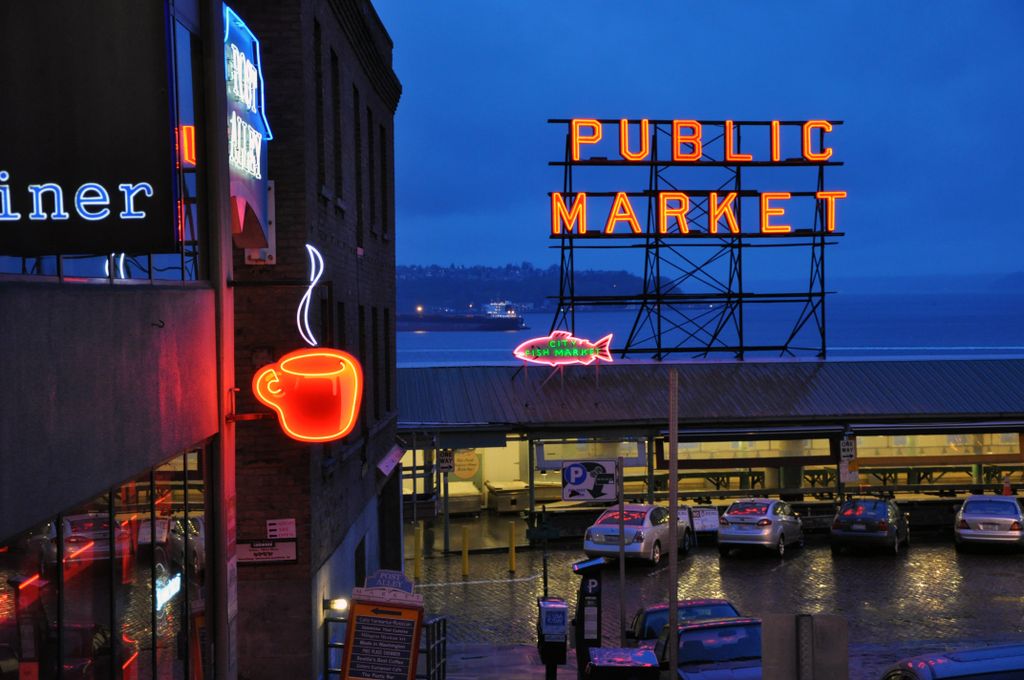
The Pike Place Market area offers coffee history and current quality. The original Starbucks (still with the original logo that Starbucks generally doesn’t use anymore because it’s a topless mermaid) exists as historical artifact. But within blocks you’ll find multiple independent roasters and cafes serving exceptional coffee.
Seattle’s coffee scene benefits from tech money and population that appreciates and will pay for quality. The result is competition that pushes standards up. Baristas here trained the baristas who opened cafes elsewhere. The culture of caring about coffee quality, questioning sources, and demanding transparency started here before spreading globally.
Visiting Seattle for coffee means understanding history: how coffee culture evolved from Starbucks’ commodification to the craft coffee reaction against that commodification. The city serves as case study in how food movements develop, spread, and occasionally eat themselves in pursuit of purity.
The Honest Truth About Becoming a Coffee Person
Here’s the part nobody warns you about when you start getting interested in coffee: it’s a trap. A delicious, aromatic, financially irresponsible trap that will consume progressively more of your time, money, and kitchen counter space.
You will not save money. You will acquire expensive equipment. Your standards will permanently increase. Do it anyway. ☕
It starts innocently. Maybe you take a coffee class to “save money” on daily cafe visits. You’ll learn proper espresso extraction, how to steam milk, maybe some latte art basics. The class costs $150-300, which seems reasonable because you spend that much on coffee monthly anyway.
Then you need equipment. Just basic stuff: a decent grinder, an espresso machine or alternative brewing method, a scale for proper ratios. The initial investment runs maybe $500-800 for acceptable quality. Still justifiable against cafe spending.
But here’s what happens: you taste the difference. You make coffee that’s actually good, better than most cafes, honestly, because you’re using fresh beans and care about the process. You start researching beans, trying different origins, learning about processing methods. Suddenly you’re spending $20-30 per bag instead of $12 because you can taste why it costs more.
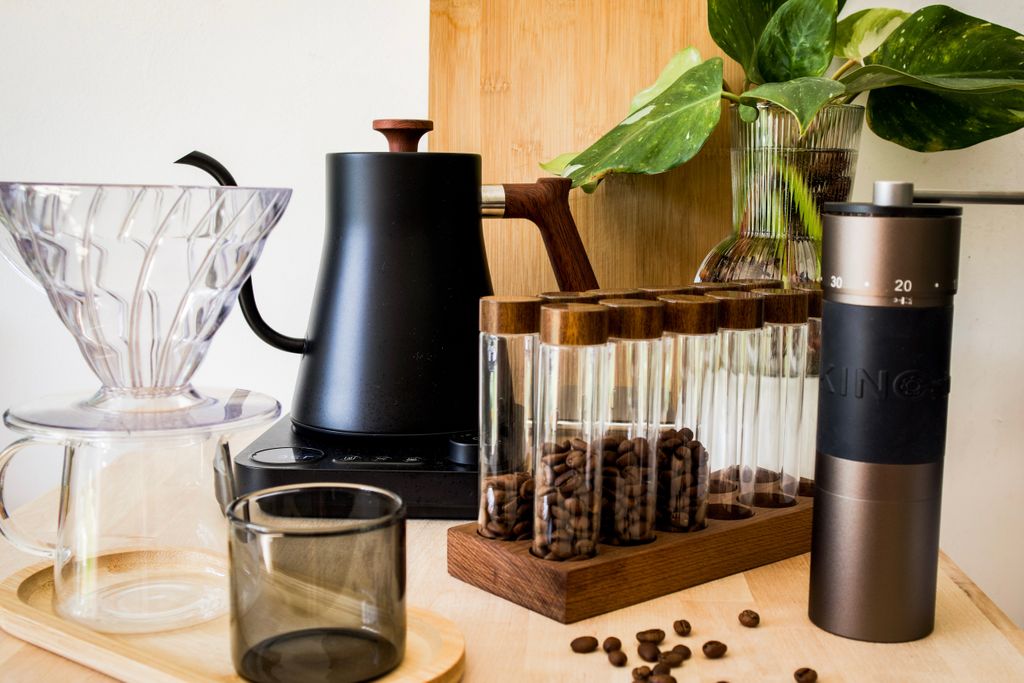
The equipment upgrades begin. The grinder isn’t quite consistent enough; you need better burrs, more precise adjustment. $300 becomes $500 becomes $1000. If you went the espresso route, the machine needs upgrading. Entry-level machines lack temperature stability or pressure profiling. Mid-range machines become justifiable investments. “It’ll last for years” becomes the rationale for spending $2,000-3,000.
You start following coffee accounts on Instagram. You join Reddit communities. You have opinions about burr geometry and extraction percentages. You can taste the difference between 18:1 and 20:1 water-to-coffee ratios. You own multiple brewers because each showcases different coffee qualities. Your kitchen increasingly resembles a specialty cafe back room.
The beans get more expensive. You start buying direct from roasters, sometimes green beans to roast yourself because obviously the freshest coffee is the coffee you roasted yesterday. Light-roasted Ethiopian natural processed coffee costs $28 per 12-ounce bag, but it tastes like blueberry pancakes and that’s worth it.
Friends ask for coffee recommendations and you have to restrain yourself from the full lecture. “What kind of coffee should I buy?” is a loaded question. What brewing method are you using? Do you have a grinder? What flavors do you typically enjoy? Are you open to light roasts or do you prefer dark? Has anyone explained what “acidity” means in coffee context?
You become that person. The coffee person. People know not to offer you Folgers. Your gift registry includes things like precision kettles and refractometers. You’ve definitely said the phrase “depends on the extraction” in casual conversation.

The financial reality eventually settles in. You’ve spent $3,000+ on equipment. You buy expensive beans. This doesn’t remotely save money compared to buying cafe coffee. But the coffee is better, you’ve learned genuine skills, and the morning routine of grinding beans and carefully brewing coffee has become a meditative ritual that starts the day right.
Was it worth it? Honestly, yes. Not financially; taking coffee classes to “save money” is objectively hilarious in retrospect. But the knowledge enriches the daily experience. Understanding where coffee comes from, how it’s processed, what you’re tasting, and why it tastes that way transforms coffee from fuel into something meaningful.
The trap closes completely when you start considering coffee origin trips. “We should visit Colombia” means visiting coffee farms in the Coffee Triangle. “Maybe Ethiopia next year” means experiencing coffee ceremonies and visiting the birthplace of coffee. Travel planning now includes coffee considerations. Life has become organized around coffee. There’s no going back.
So if you’re thinking about taking a coffee class on International Coffee Day to “learn more about coffee” or “save some money”, here’s the honest warning: you will learn more about coffee. You will not save money. You will acquire expensive equipment. Your standards will permanently increase. Your kitchen space will decrease. You will bore people at parties with coffee facts.
Do it anyway. Coffee is one of humanity’s great achievements: taking a fruit from Ethiopian forests and transforming it into the global beverage that fuels civilization is genuinely remarkable. Understanding that process, tasting the results of different approaches, connecting to the farmers and cultures that make coffee possible — it’s all worth the cost and counter space.
Just don’t fool yourself that you’re saving money. That ship sailed approximately one coffee class ago. You’re not saving money. You’re investing in an expensive, delicious, socially acceptable obsession that will follow you for life. Welcome to coffee culture. Your wallet will never forgive you, but your taste buds will thank you every morning.
Final Sip
International Coffee Day on October 1st started as industry initiative but has become something more interesting: a global moment when millions of people simultaneously think about coffee beyond just the beverage in their hand. That collective attention, when directed thoughtfully, actually matters.
125 million people worldwide depend on coffee for their livelihoods. Celebrating thoughtfully means acknowledging these realities alongside the cultural beauty. ☕
The real celebration isn’t about consumption or free coffee promotions. It’s about appreciation and awareness. Behind every cup are farmers managing disease-prone trees in changing climates. Pickers selecting ripe cherries by hand because machines can’t distinguish ripeness. Processors making crucial decisions about fermentation timing. Dry mill workers sorting out defective beans. Roasters calibrating profiles to showcase origin characteristics. Baristas pulling shots and steaming milk with craft and care.
The coffee industry employs roughly 125 million people globally. Most of them earn far less than they should for producing something so essential to modern life. The economic structures (commodity markets, multiple middlemen, power imbalances) often favor everyone except the people actually growing coffee. Celebrating International Coffee Day means acknowledging these realities alongside the cultural beauty.
Buying thoughtfully matters. Choosing coffee from transparent sources, paying more for quality that translates to better farmer compensation, asking questions about origin and pricing — these actions cumulatively shift the industry. The specialty coffee movement, for all its insufferable aspects, has meaningfully improved farmer livelihoods by creating markets for quality and establishing direct relationships.
So whether you celebrate with a simple cup of drip coffee or go full ceremony with an Ethiopian jebena, take a moment on October 1st to appreciate the complexity in your cup. Think about the journey from flowering coffee tree in volcanic soil to the drink you’re holding. Consider the hands that picked those cherries, the decisions that shaped those flavors, the global systems that made this morning ritual possible.

And if you’re thinking about taking a coffee course “just to save money”, go for it. The knowledge is genuinely worthwhile. You’ll understand coffee at a deeper level, taste things you couldn’t taste before, make better coffee than most cafes, and connect with a global community of people who care deeply about this weird agricultural product that conquered the world.
Just know that you’ll end up with a kitchen that looks like a coffee lab, beans that cost more than some meals, and the ability to taste the difference between natural and washed processing methods while contemplating your financial decisions. But hey, at least you’ll know exactly why that coffee costs $28 per bag, and you’ll taste the blueberry notes that justify it every single morning.
Here’s to International Coffee Day, the farmers who make it possible, the diverse cultures that created coffee traditions, and the delicious financial irresponsibility of specialty coffee appreciation. Now if you’ll excuse me, there’s a grinder that needs calibrating and a bag of Panama Geisha that isn’t going to drink itself.