Here’s the thing about Valentine’s Day: it’s the only holiday where capitalism convinced the entire planet that love requires a receipt. And somehow, we all showed up anyway.
But before you dismiss this as just another Hallmark holiday (spoiler, it kind of is), consider this: Valentine’s Day is the second-largest card-sending holiday after Christmas in many Western countries. That’s a lot of people trying to articulate feelings they should probably just text about.
The Romans slapped women with goat hides for fertility. Medieval Europeans had courtly love letters. Today, we have… GIFs.
Yet strip away the heart-shaped everything and the panic-bought roses, and you’ll find something surprisingly tender: humans across every culture have been trying to ritualize love for centuries. The Romans had Lupercalia (which involved slapping women with goat hides for fertility. Romance was different back then). Medieval Europeans had courtly love letters. Today, we have… GIFs.
So let’s explore how different cultures have taken this imported Western holiday and made it their own. Because when you see how Japan turned Valentine’s Day into a month-long chocolate obligation fest, or how South Korea celebrates it on the 14th of every single month, you realize that love, much like its expressions, is beautifully and messily universal. Just with wildly different approaches to chocolate distribution.
The (Surprisingly Messy) Medieval Birth of Valentine’s Romance
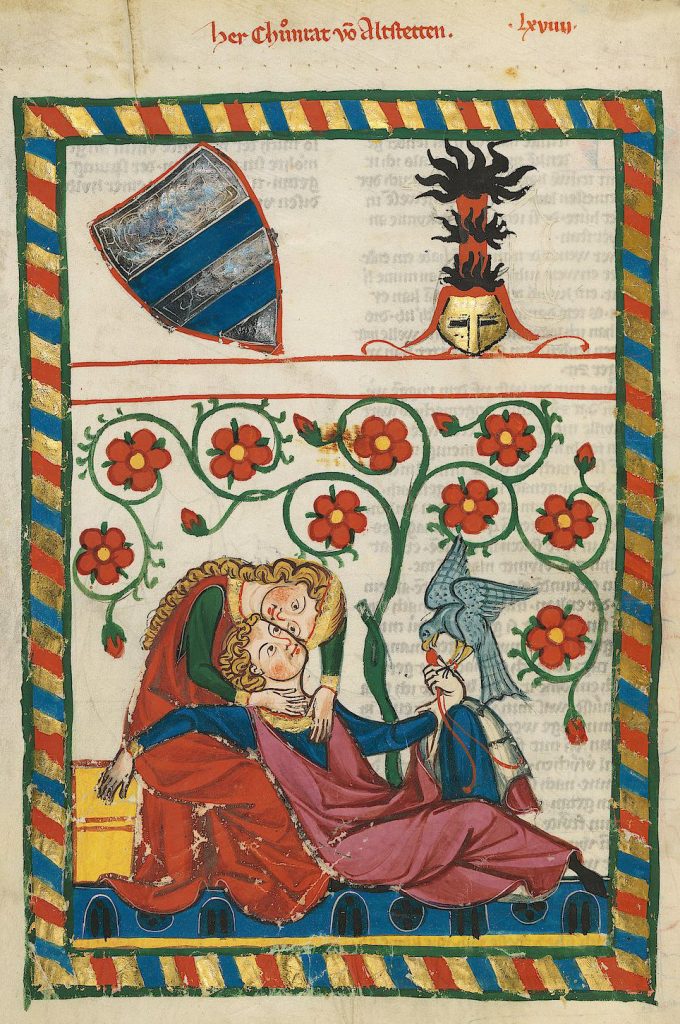
Valentine’s Day wasn’t born romantic; it was born confused. There were at least three different Saint Valentines martyred by the Romans, and nobody’s entirely sure which one this holiday commemorates. One was a priest who married couples in secret when Emperor Claudius II banned marriages (because apparently single soldiers fought better. Ancient HR policies were wild). Another healed the blind daughter of his jailer before his execution. The Church basically shrugged and said “pick your favorite martyr” when they established the feast day.
But here’s where it gets interesting: February 14th might’ve been deliberately placed to replace Lupercalia, a rowdy Roman fertility festival that involved men running through streets in goat skins, ritually whipping women to boost fertility. The early Church had a habit of co-opting pagan festivals, slapping a saint’s name on them, and calling it evangelization. Smart marketing, honestly.
The actual romantic association didn’t show up until 1382, when Geoffrey Chaucer wrote a poem connecting Valentine’s Day with love. Before that? It was just another saint’s feast day. Chaucer basically invented Valentine’s Day romance in the same way someone invented “Taco Tuesday”: through sheer force of repetition and cultural catchiness.
💝 The evolution Of Valentine’s Day
269 AD
Saint Valentine martyred (probably, maybe)
496 AD
Pope Gelasius establishes Feast of Saint Valentine
1382
Chaucer writes first romantic Valentine reference
1415
First recorded Valentine card sent from Tower of London
1840s
Mass-produced Valentine cards appear
1913
Hallmark begins producing Valentine cards
1950s
Global commercialization accelerates
The first recorded Valentine was sent from the Tower of London in 1415 by Charles, Duke of Orléans, to his wife while he was imprisoned. Nothing says “thinking of you” quite like prison correspondence. The card-sending tradition caught fire in Victorian England, where elaborate paper lace cards became status symbols. The Victorians loved a good excuse for dramatic sentiment.
Then came the 20th century, and companies like Hallmark saw dollar signs. The commercialization of Valentine’s Day reached peak efficiency in America during the 1950s, spreading globally as American cultural influence expanded. What started as a martyred saint’s feast day had become a multibillion-dollar industry built on the anxiety that your love isn’t valid without the right greeting card.
Japan’s Giri-Choco: When Love Becomes a Spreadsheet
Japan took Valentine’s Day and turned it into something uniquely anxiety-inducing: a precisely calibrated social obligation system that makes Western Valentine’s stress look amateur. The holiday arrived in Japan in the 1950s, introduced by chocolate companies who saw an untapped market. But instead of mutual gift exchange, Japanese Valentine’s evolved into a one-way street. Women give chocolate to men on February 14th. Full stop.
But wait, it gets more complex. There are three distinct types of Valentine’s chocolate in Japan, each carrying different social weight:
🍫 The Three Types of Japanese Valentine’s Chocolate
🤝 Giri-choco
Obligation chocolate
For: Coworkers, bosses, acquaintances
Price: Affordable, store-bought
Meaning: Social courtesy
💖 Honmei-choco
True feeling chocolate
For: Romantic partners, crushes
Price: Expensive or handmade
Meaning: Romantic confession
👭 Tomo-choco
Friend chocolate
For: Female friends
Price: Mid-range
Meaning: Friendship appreciation
Giri-choco (義理チョコ) translates to “obligation chocolate”: the stuff women give to male coworkers, bosses, and acquaintances. It’s not romantic. It’s social currency. The average Japanese woman spends around ¥5,000-8,000 ($35-55 USD) on giri-choco annually, navigating the delicate balance of spending enough to be respectful but not so much that it creates awkwardness. Too cheap looks bad. Too expensive suggests interest. It’s a minefield wrapped in foil.
Honmei-choco (本命チョコ) is “true feeling chocolate”: the expensive, carefully selected (or handmade) chocolate given to romantic partners. These boxes can cost ¥10,000-20,000+ ($70-140 USD) and come from high-end chocolatiers. Women often spend weeks deciding on the perfect selection, because this chocolate makes a statement.
Tomo-choco (友チョコ) means “friend chocolate”: exchanged between female friends in a more egalitarian way. This category emerged more recently as women pushed back against the gendered obligation of traditional Valentine’s.

The economic pressure is real. Japanese department stores dedicate entire floors to Valentine’s chocolate displays starting in late January. Aisles upon aisles of meticulously crafted confections, ranked by price and prestige. The atmosphere feels less like shopping and more like social insurance shopping, buying your way into continued workplace harmony.
The triple return expectation means that Valentine’s chocolate comes with strings that cost more money a month later.
But wait, there’s more. Men don’t just receive chocolate and call it even. White Day, celebrated on March 14th (exactly one month later), is when men must reciprocate. The unspoken rule? Return gifts should be two to three times the value of what you received. This “sanbai gaeshi” (triple return) expectation means that Valentine’s chocolate comes with strings; specifically, strings that cost more money a month later.
Some Japanese companies have actually banned giri-choco in offices because the practice had become so expensive and stressful for female employees. Women were spending significant portions of their salaries on obligation chocolate for coworkers, creating genuine financial burden. The tradition persists, but there’s growing resistance to what many see as outdated gender expectations wrapped in candy.
📉 The Decline of Giri-Choco
Female participation in giri-choco tradition:
80%
of women participated
40%
of women participated
A 50% decline in just 10 years as the tradition becomes increasingly controversial
According to industry data, Japan’s Valentine’s chocolate market represents a significant portion of annual chocolate sales, with the Chocolate & Cocoa Association of Japan reporting that over $400 million was spent on Valentine’s chocolate in 2005. More recent surveys show that giri-choco participation has declined (from 80% of women in 2007 to about 40% in 2017) as the tradition becomes increasingly controversial.
South Korea’s Monthly Love Tax: Valentine’s 12 Times a Year

If you thought Japan’s Valentine’s system was intense, South Korea took one look and said “hold my soju”. Korean couples celebrate romantic holidays on the 14th of every single month. Yes, twelve different love-themed observances annually. Dating in South Korea comes with a calendar.
Here’s the breakdown:
February 14 – Valentine’s Day: Women give chocolate to men (same as Japan)
March 14 – White Day: Men reciprocate with candy, gifts, or dinner
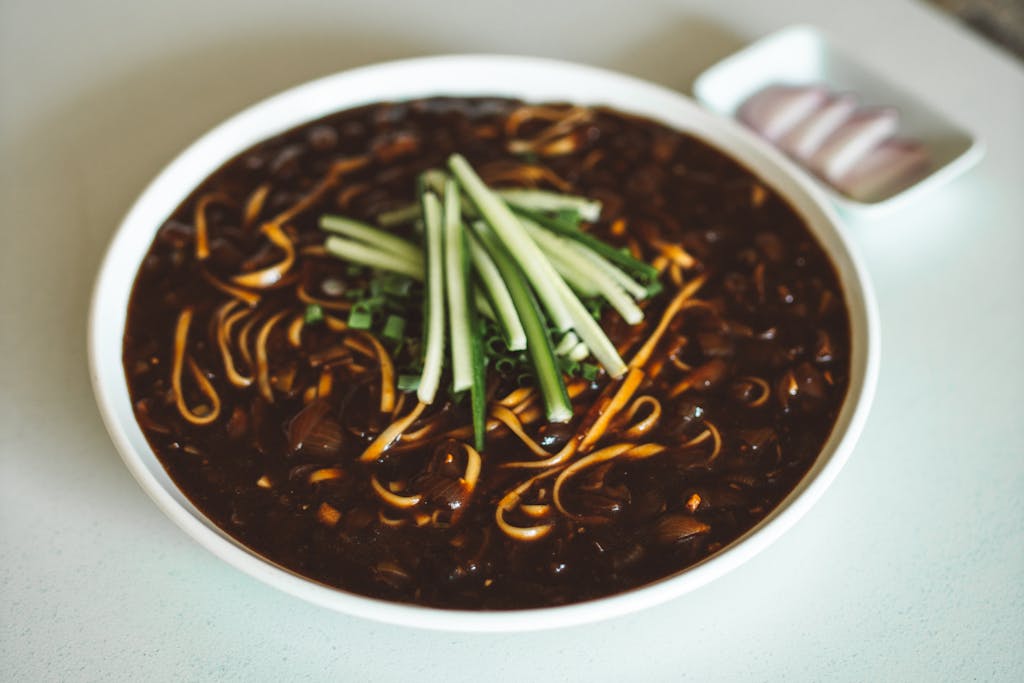
April 14 – Black Day: Singles eat jajangmyeon (black bean noodles) to commiserate about being alone. This is the most delightfully honest holiday on the list, a designated day for singles to gather, eat comfort food, and acknowledge that yes, couple culture is exhausting when you’re not in one.
May 14 – Rose Day & Yellow Day: Couples exchange roses and wear yellow to symbolize happiness. Yellow clothing on May 14th essentially signals “I’m in a relationship”.
June 14 – Kiss Day: Couples kiss publicly. Parks become kissing zones. It’s simultaneously sweet and awkward.
July 14 – Silver Day: Exchange silver jewelry or go on dates to celebrate your relationship
August 14 – Green Day: Couples drink soju outdoors (because nothing says romance like forest drinking). Singles hike to connect with nature and feel superior about their freedom.
September 14 – Music Day & Photo Day: Share music playlists and take photos together
October 14 – Wine Day: Wine dates for couples
November 14 – Movie Day & Orange Day: Watch movies together and exchange orange-themed gifts
December 14 – Hug Day: Public displays of affection encouraged
The economic implications are significant. Korean couples are expected to acknowledge their relationship monthly through gift exchanges, special dates, or themed activities. The pressure to participate affects relationship dynamics; missing a “day” can trigger arguments. Some couples create elaborate celebration rituals, posting matching outfits or themed photos on social media to prove their relationship validity.
Black Day deserves special mention. What started as a somewhat joking observance for singles has become a legitimate cultural phenomenon. Restaurants offer special Black Day jajangmyeon deals. Friend groups gather to celebrate singlehood. It’s a fascinating counter-narrative to the relentless couple-focused celebrations, though it still defines people by their relationship status (or lack thereof).
Korean convenience stores capitalize on this monthly cycle, creating special product displays for each “day”. The entire system feels like someone gamified dating and then monetized every level. And honestly? It works. South Korea’s gift economy thrives on these predictable, culturally mandated spending occasions.
Wales’ Wooden Love Spoons: Before Instagram, There Was Carpentry
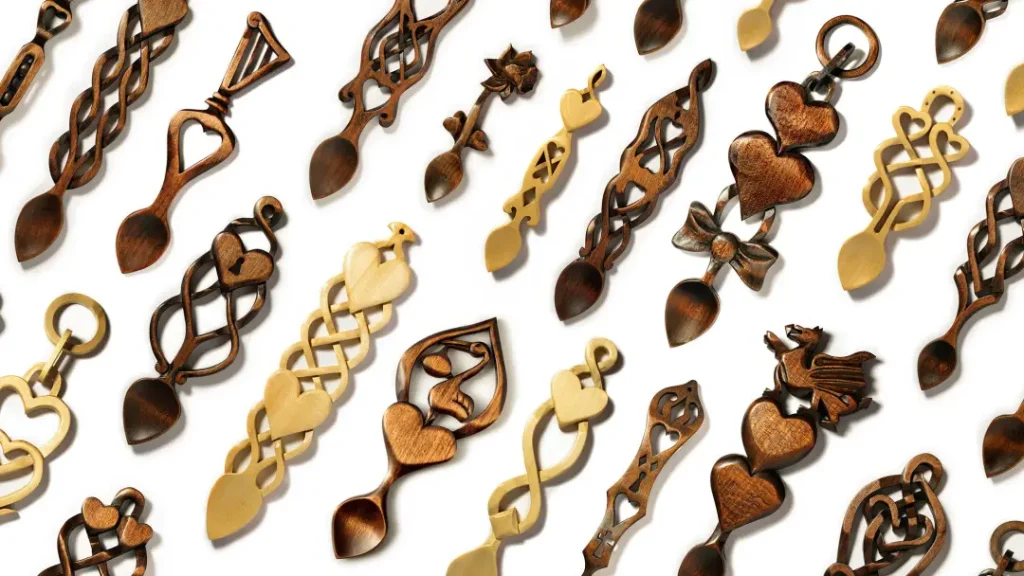
Before there were viral proposals and Instagram-worthy gift reveals, Welsh men were carving elaborate wooden spoons to prove their affection. And honestly? It’s more impressive than buying something on Amazon Prime.
The Welsh love spoon tradition dates back to the 17th century, when young men would hand-carve intricate wooden spoons as tokens of affection. These weren’t functional eating utensils; they were decorative declarations, often featuring complex symbols carved into the handle:
Hearts: Obvious romantic symbolism, but Welsh hearts were often interwoven or chained to represent unity
Keys and keyholes: “I’m giving you the key to my heart” or “You hold the key to our home”
Wheels: “I’ll work for you” (representing industry and hard work)
Horseshoes: Good luck for the relationship
Celtic knots: Eternal love with no beginning or end
Bells: Wedding symbols or anniversaries
Vines and flowers: Growing love and affection
Dragons: Welsh pride and protection
The craftsmanship required to create these spoons was significant. Some spoons featured multiple working parts: wheels that actually turned, chains with real links, balls trapped inside cages carved from single pieces of wood. These weren’t weekend craft projects. They required skill, patience, and genuine effort. The quality of the carving directly reflected the suitor’s dedication (and let’s be honest, his carpentry skills, which were probably more practically valuable than knowing someone’s love language).
If a father accepted the spoon, the young man could begin courting his daughter. If rejected, well, at least you had a decorative spoon to remember your romantic failure.

The tradition nearly died out in the early 20th century as industrialization and changing social customs made hand-carved courtship gifts seem quaint. But like many folk traditions, it experienced a revival in the 1960s and 70s as Welsh cultural preservation efforts gained momentum. Today, Welsh love spoons are popular wedding gifts, anniversary presents, and tourist souvenirs.
But here’s where Wales really commits to the bit: January 25th is Dydd Santes Dwynwen (Saint Dwynwen’s Day), essentially the Welsh version of Valentine’s Day. Saint Dwynwen is the Welsh patron saint of lovers, and her story is appropriately tragic: she fell in love with a prince named Maelon, but her father forbade the marriage. After praying to be released from her feelings, Dwynwen became a nun and founded a church on Llanddwyn Island in Anglesey.

Modern Welsh couples still exchange love spoons on Dydd Santes Dwynwen, and the holiday is gaining recognition as people seek alternatives to the commercialized Valentine’s Day. You can buy mass-produced love spoons at tourist shops across Wales, but authentic hand-carved spoons from Welsh craftspeople cost £50-500+ ($65-650 USD) depending on complexity.
The symbolism remains powerful. There’s something refreshingly analog about carving wood to express feelings that emoji and text messages somehow can’t quite capture. Plus, love spoons make excellent kitchen decor when relationships inevitably get complicated, a functional reminder that romance was once literally carved in wood.
Where to find authentic Welsh love spoons:
- Welsh craft fairs and markets
- Specialty shops in Cardiff, Swansea, and Conwy
- Online through Welsh Crafts Council certified artisans
- Museum gift shops at St. Fagans National Museum of History
The Philippines: When 1,500+ Couples Say “I Do” Simultaneously
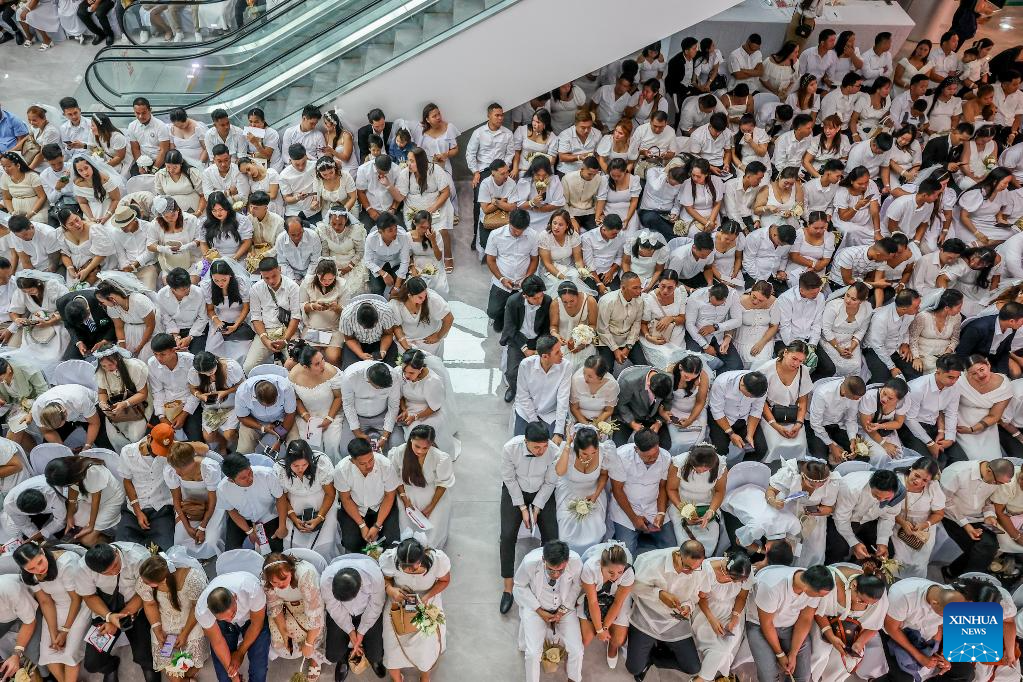
The Philippines took Valentine’s Day and turned it into the world’s most efficient wedding factory. Every February 14th, Filipino cities host mass wedding ceremonies where hundreds, sometimes over a thousand, couples get married simultaneously in sports stadiums, public squares, and civic centers.
The largest recorded mass wedding ceremony brought together over 1,500 couples in 2010 in Caloocan City, a suburb of Manila. Other cities regularly host ceremonies with hundreds of couples; 741 in Dasmariñas, 150 in Bacoor, 63 in San Juan. The logistics alone are staggering: coordinating marriage certificates, witnesses, officiants circulating through crowds, and ensuring everyone pronounces “I do” at roughly the same time.
But this isn’t just a publicity stunt. These government-sponsored mass weddings serve a practical purpose in a Catholic-majority country where traditional weddings can be prohibitively expensive. For many Filipino families, even a modest wedding represents a significant financial burden, meaning couples often delay formalizing their relationships for years or decades.
Mass Valentine’s weddings are free
or heavily subsidized, covering:
Marriage licenses and legal fees
Basic ceremony venue
Officiants (usually government officials or clergy)
Group photography
Sometimes basic catering or gift packages
The couples aren’t random, they’ve already completed pre-marriage counseling and obtained marriage licenses. The mass ceremony is the legal formalization, not a spontaneous collective impulse. Most couples are already in committed relationships, often with children, who finally have an affordable opportunity to legally marry.
The cultural significance runs deeper than economics. In Filipino culture, Valentine’s Day (called “Araw ng mga Puso” or “Day of Hearts”) celebrates all forms of love: romantic, familial, platonic. Mass weddings embody this collective approach to love celebration, transforming an intensely personal moment into a shared community event.
From an outside perspective, it might seem impersonal, losing your wedding day’s uniqueness to share it with hundreds of other couples. But attendees describe it differently. There’s camaraderie in the shared experience, collective joy as hundreds or thousands of people simultaneously commit to partnerships. The atmosphere is festive, emotional, and surprisingly intimate despite the massive scale.
Social media has made these mass weddings increasingly aspirational. Couples post photos and videos, often highlighting the community aspect and affordability. The hashtag #MassWedding trends annually on February 14th in the Philippines, with couples sharing their stories of finally being able to afford marriage.
Critics point out that the same government funding could be used to reduce marriage license fees year-round, making weddings affordable on any date. But there’s something symbolically powerful about timing marriage to Valentine’s Day, a collective reaffirmation that love, commitment, and partnership matter, regardless of economic status.
📊 Philippine mass wedding statistics
Largest verified ceremony: 1,500+ couples (2010, Caloocan City)
Other large ceremonies: 741 couples (Dasmariñas), 150 couples (Bacoor), 151 couples (Trece Martires)
Average ceremony size: 50-500 couples depending on city
Top wedding day: Valentine’s Day is consistently the #1 wedding day in the Philippines (2009-2023)
February marriages: Account for 12.7% of all marriages annually
Annual events: 50+ mass wedding events nationwide
Europe’s Complicated Relationship with Romantic Capitalism
Europe invented courtly love, perfected the romantic gesture, and now has deeply conflicted feelings about Valentine’s Day’s commercial offspring. The continent’s relationship with February 14th is basically “we’re disappointed in what you’ve become”.
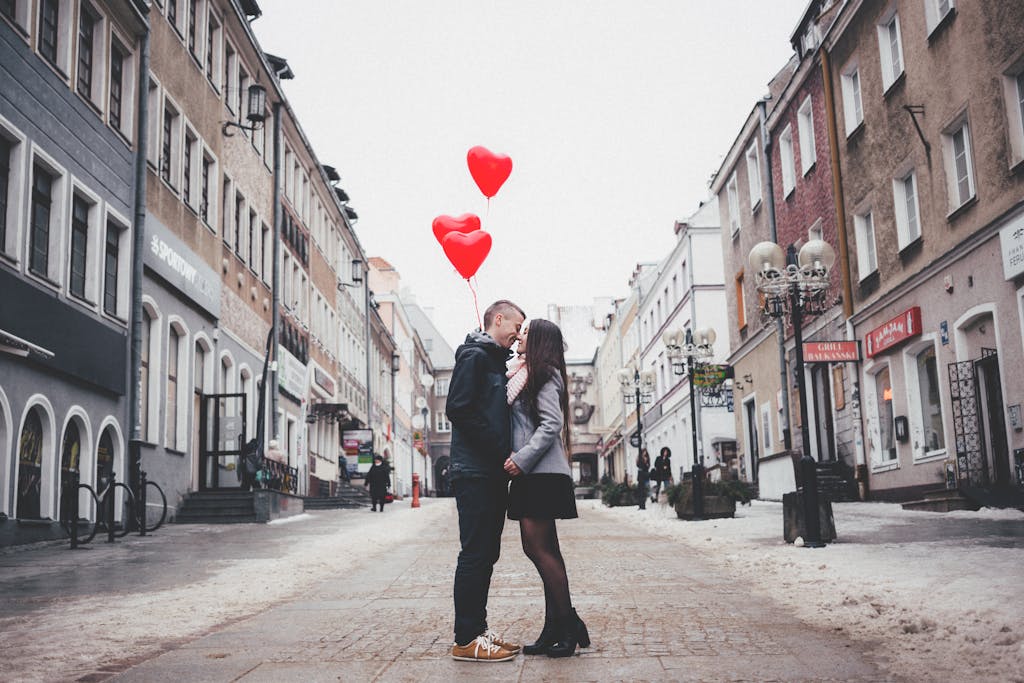

Eastern European countries (particularly Russia, Ukraine, and Poland) embrace Valentine’s Day with earnest romanticism. Russian men buy massive bouquets (always odd numbers of flowers; even numbers are for funerals), restaurants fill with couples, and the day is celebrated without ironic detachment. This makes sense considering these countries had decades of Soviet-era restrictions on Western holidays. Valentine’s Day represented forbidden Western culture, which made it automatically appealing. Post-Soviet Russia adopted Valentine’s Day with the enthusiasm of someone finally allowed to participate.
Western Europe, meanwhile, approaches Valentine’s Day with increasing cynicism. France (France, the country that gave us “romance languages”) has a growing anti-Valentine’s movement. Parisian cafés host “St. Valentine’s Day Massacre” parties where singles gather to tear up old love letters and burn photos of exes. Some restaurants refuse to do special Valentine’s menus out of principle, arguing that love shouldn’t require prix fixe prices.
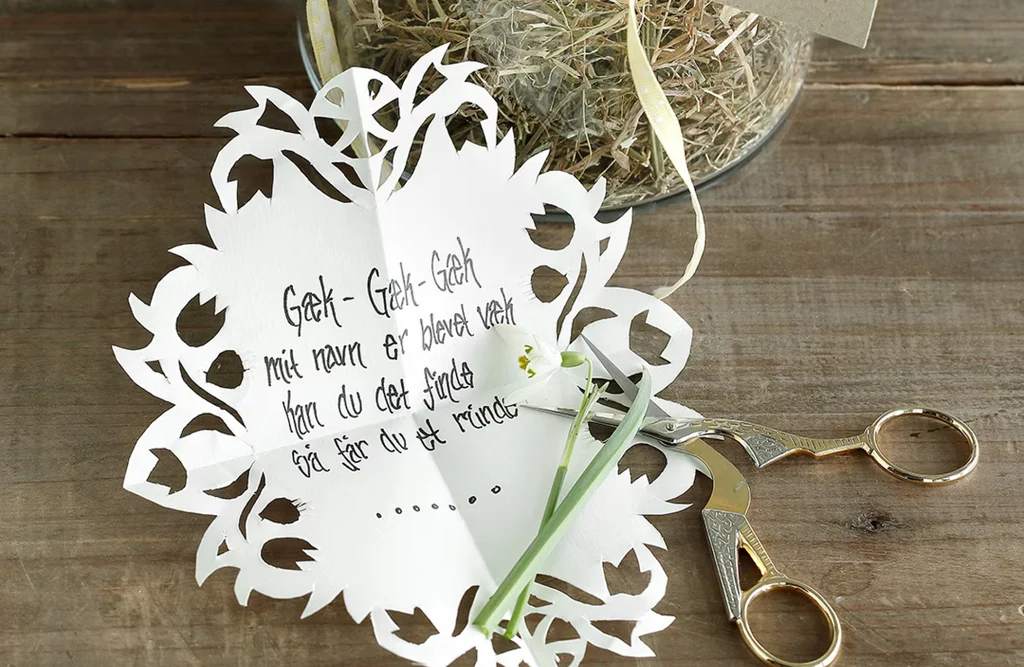
Denmark has its own Valentine’s tradition called “gaekkebrev” (joking letters): men send women unsigned, romantic poems on decorative paper. If the woman guesses the sender’s identity, she gets an Easter egg later. If she can’t guess, she owes him an egg. It’s Valentine’s Day meets cryptic guessing game, which feels very on-brand for Scandinavia.
Finland straight-up rejected romantic Valentine’s entirely. February 14th is “Ystävänpäivä” (Friend’s Day), celebrating platonic friendship rather than romantic love. Finns exchange cards and small gifts with friends, and the day focuses on non-romantic affection. It’s a refreshingly pressure-free alternative that acknowledges not everyone is coupled up or wants to perform romantic gestures on schedule.
Germany has possibly the weirdest Valentine’s tradition: pigs. Specifically, pig-themed Valentine’s decorations and gifts. Pigs symbolize both luck (“Glücksschwein”) and, historically, lust in German culture. So German Valentine’s cards often feature cute pigs with hearts, which is either adorable or deeply confusing depending on your perspective. German lovers also exchange gingerbread hearts, which evolved from medieval Valentine’s customs.
Italy maintains its romantic reputation despite commercialization concerns. Valentine’s Day in Italy (San Valentino) is celebrated with elaborate dinners, romantic getaways to Venice or Florence, and public displays of affection at the Juliet statue in Verona (where people leave love letters on the walls). Italians manage to be both romantic and slightly cynical about Valentine’s, acknowledging it’s commercialized while fully participating anyway. Very Italian energy.

The UK sits somewhere in the middle: participating in Valentine’s Day while simultaneously making fun of it. British people send the most Valentine’s cards after Americans, but also lead in “anti-Valentine’s” card sales, which feature sarcastic or insulting messages instead of romantic ones. It’s performative cynicism that still requires purchasing something, which means companies win either way.
The generational divide is notable. Younger Europeans (under 30) engage with Valentine’s Day primarily through social media: posting relationship photos, stories, and status updates. The day becomes less about private romantic gestures and more about public relationship performance. Older Europeans increasingly opt out entirely, viewing the holiday as American cultural imperialism disguised as romance.
Latin America’s Día del Amor y la Amistad: Everyone’s Invited
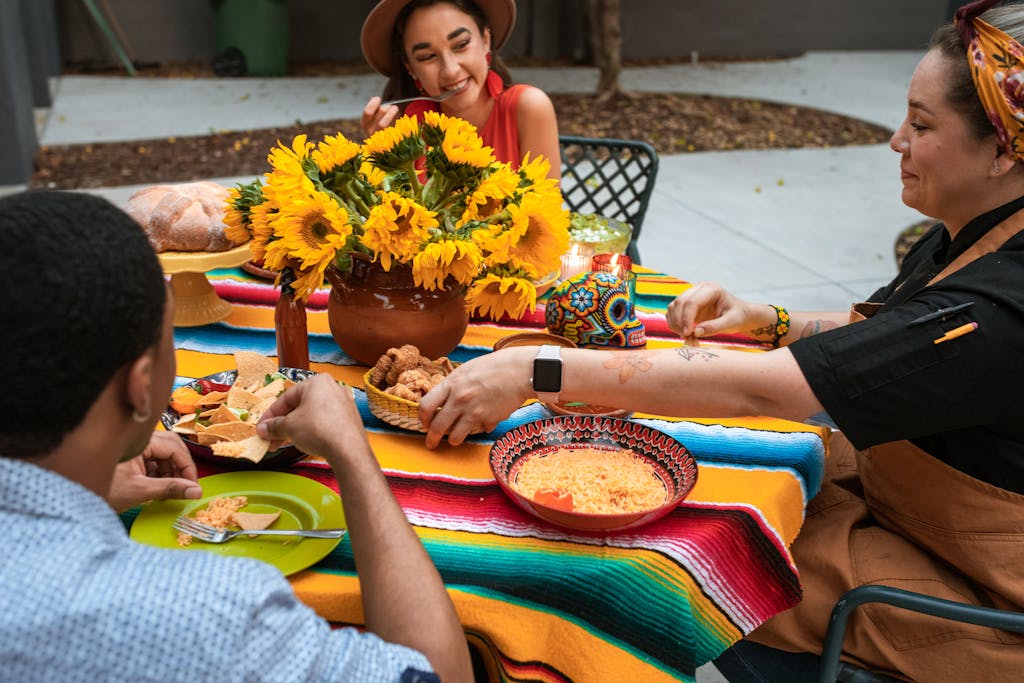
Latin America took one look at Valentine’s Day’s exclusive focus on romantic couples and said “actually, let’s include everyone”. Instead of just “Valentine’s Day”, many Latin American countries celebrate “Día del Amor y la Amistad” (Day of Love and Friendship), expanding the holiday to honor all forms of affection: romantic, platonic, familial.
Colombia and Mexico lead this inclusive approach. Offices organize “amigo secreto” (Secret Friend) gift exchanges where coworkers draw names and exchange small presents. Schools have students give cards to entire classes, not just crushes, ensuring no one feels excluded. The emphasis shifts from romantic pressure to collective celebration of human connection.
This might seem like a small semantic difference, but it fundamentally changes the day’s emotional texture. Traditional Valentine’s Day creates binary social categories: couples (celebrated) and singles (implicitly deficient). Día del Amor y la Amistad reframes the entire concept: everyone loves someone, whether that’s a romantic partner, best friend, parent, or sibling. The holiday becomes inclusive by default.
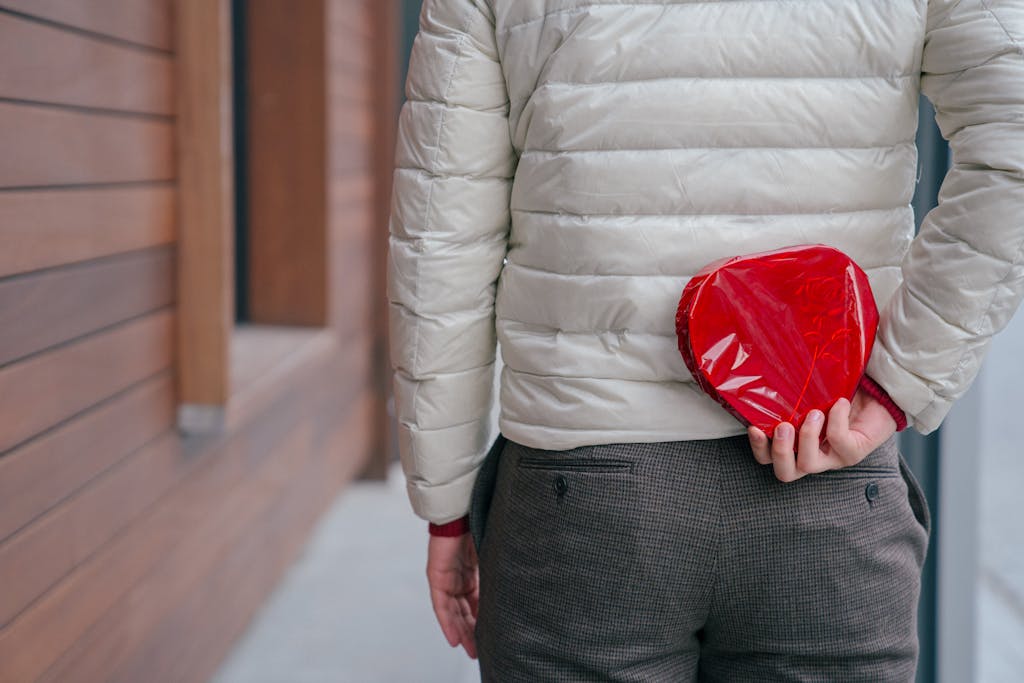
El Salvador takes this especially seriously, with national campaigns promoting friendship alongside romance. Public spaces fill with people celebrating together; not just couples on dates, but friend groups, families, coworkers. The commercial aspect remains (gift-giving is still central), but the emotional pressure differs significantly. You’re not failing at Valentine’s if you’re single, you’re participating by celebrating friendship.
Brazilian Valentine’s happens in the southern winter because February is Carnival season, and Brazilians have priorities. You can’t compete with Carnival.
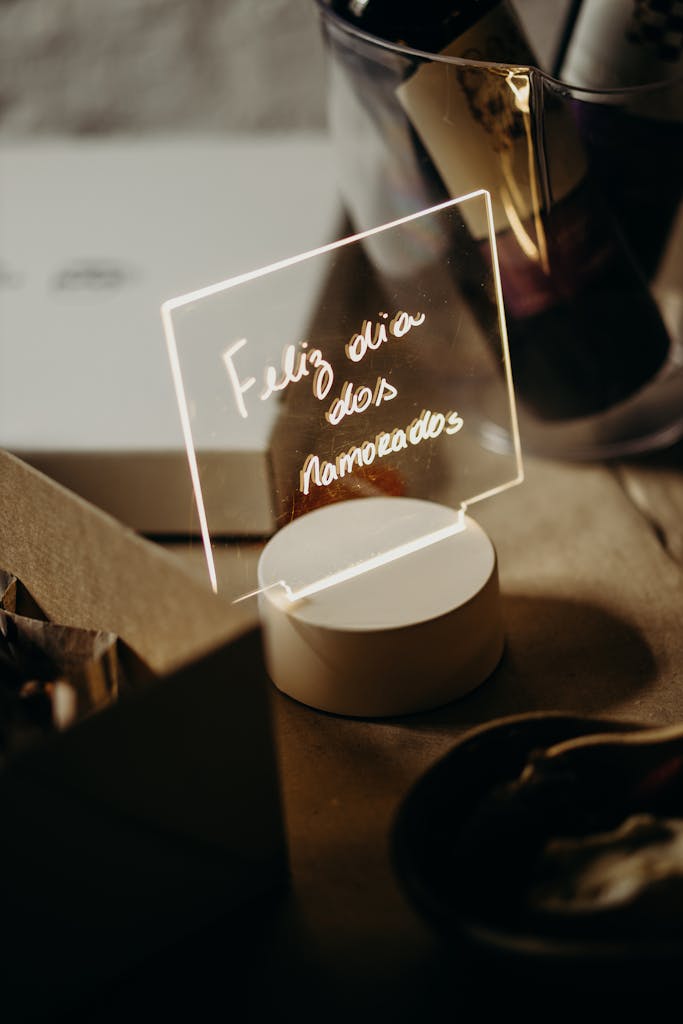
Brazil deserves special mention for completely rejecting February Valentine’s entirely. Dia dos Namorados (Lovers’ Day) falls on June 12th, the eve of Saint Anthony’s Day (the patron saint of marriage). Why June? Because February is Carnival season, and Brazilians have priorities. You can’t compete with Carnival. So Brazilian Valentine’s happens in winter (Southern Hemisphere seasons), with couples exchanging gifts, going on romantic dinners, and celebrating relationships without the pressure of doing it exactly when North America says so.
Brazilian Dia dos Namorados includes Sao Paulo’s famous “Lovers’ Street Fair”, where vendors sell romantic gifts, musicians perform love songs, and couples dance in the streets. It’s Valentine’s Day meets street festival, which is very Brazilian. The holiday maintains romantic focus but feels less commercial and more celebratory than American Valentine’s.
The cultural distinction between Anglo-American Valentine’s and Latin American Día del Amor y la Amistad reflects broader values around community and individualism. Latin American cultures, generally more collectivist, adapted an individualistic holiday (romantic couples) into something communal (all types of love). It’s cultural translation at its finest, taking an imported tradition and making it locally meaningful.
Street celebrations are common across Latin America on February 14th. Unlike the private, couple-focused American Valentine’s, Latin American cities fill with public displays of affection, group celebrations, and community events. Public squares host concerts, markets sell gifts and flowers, and the atmosphere feels more festive than pressured.
The result? Latin America arguably does Valentine’s Day better than the cultures that exported it. By expanding the holiday to include everyone, they’ve removed much of the anxiety while maintaining the celebration of love. It’s capitalism with a heart (literally); you still buy gifts, but at least nobody feels left out.
Planning Your Valentine’s Escape: Practical Travel Tips

So you’re thinking about experiencing Valentine’s Day somewhere beyond your usual grocery store flower display? Smart. Here’s what you need to know:
Booking Timeline:
- Romantic destinations: 3-4 months advance booking minimum
- Hotels in Paris, Venice, Rome: often fully booked by December
- Flight prices spike 40-60% for February 14 weekend travel
- Alternative strategy: travel February 7-13 or February 15-20 for better rates
Budget Expectations:
- European city dinner reservations: €100-250+ per couple ($110-270 USD)
- Tokyo luxury hotel rooms: ¥40,000-80,000+ per night ($280-560 USD)
- Seoul couple activities (full day): ₩200,000-400,000 ($155-310 USD)
- Budget travel tip: Visit during but not exactly on February 14th—prices drop dramatically Feb 15-16
Cultural Etiquette by Destination:
Japan:
- Women give first on Feb 14; men wait for White Day (March 14)
- Department store chocolate is expected for professional relationships
- Don’t give romantic gifts on Valentine’s if you’re not dating someone
- Handmade chocolate carries extra significance
South Korea:
- Couples wear matching outfits on Valentine’s Day (yes, really)
- Singles might avoid certain restaurants to not feel awkward
- Black Day (April 14) is perfectly acceptable to celebrate—no shame
Wales:
- Look for authentic craftspeople at markets, not tourist shop mass production
- Dydd Santes Dwynwen (Jan 25) is less crowded than Feb 14
- Visiting Llanddwyn Island (Saint Dwynwen’s church ruins) is romantic pilgrimage
Philippines:
- Mass wedding spectators are welcome; it’s a community celebration
- Bring tissues—thousands of people crying simultaneously is emotional
- Philippine Arena in Bocaue, Bulacan hosts the largest ceremonies
Latin America:
- Celebrate with friend groups, not just romantic partners
- “Amigo secreto” gifts are typically small (₱500-1000 / $10-20)
- June 12 in Brazil, not February 14
Solo Traveler Valentine’s Strategies:
- Finland’s Friend’s Day (Feb 14) is perfect for solo travelers
- South Korea’s Black Day (April 14) has become tourist-friendly
- Anti-Valentine’s events in Paris and London welcome singles
- Many museums and cultural sites offer special programs that aren’t couple-focused
Discount Opportunities:
- February 15-20: restaurant reservation cancellations and hotel deals
- Many attractions offer “Galentine’s” group discounts (Feb 13)
- Student travel agencies bundle Valentine’s packages with significant savings
- Eastern European destinations offer romantic atmosphere at lower prices than Western Europe
Photography Considerations:
- Japanese Valentine’s displays (department stores): mid-late January
- Korean couple street photography: Any 14th of the month, but Feb/June are peak
- Welsh love spoon workshops: Book ahead, popular for tourists
- Philippine mass weddings: Media credentials not required; public event
What to Pack:
- Japan: Nice clothing for department store shopping (dress codes enforced in high-end areas)
- South Korea: Matching couple outfits if traveling with partner (optional but fun)
- Wales: Layers for unpredictable February weather
- Latin America: Gifts for friend exchanges if staying with locals
- Europe: Restaurant-appropriate attire; casual dining rare on Valentine’s
Language Essentials:
- Japanese: “Honmei-choco o douzo” (Please accept this romantic chocolate)
- Korean: “Saranghae” (I love you) – Use carefully; carries weight
- Welsh: “Rwy’n dy garu di” (I love you)
- Spanish: “Feliz Día del Amor y la Amistad” (Happy Love and Friendship Day)
- Portuguese (Brazil): “Feliz Dia dos Namorados” (Happy Lovers’ Day)
Avoiding Tourist Traps:
- Pre-packaged “Valentine’s experiences” are usually overpriced
- Research local celebration customs before arriving
- Street food and local markets often better than tourist-focused restaurants
- Check if attractions have Valentine’s surcharges (some do)
The Bottom Line on Global Valentine’s Day
Here’s what traveling through Valentine’s Day traditions teaches you: humans are remarkably creative at expressing affection, and remarkably susceptible to marketing when it comes to packaging those expressions.
The Japanese systematized romantic gift-giving into a three-tiered obligation structure. The Koreans monetized love monthly. The Welsh carved it from wood. The Filipinos democratized expensive weddings. Latin Americans made it inclusive. And Europeans? They’re still working through their feelings about the whole thing, alternating between earnest participation and ironic detachment depending on which part of the continent you’re in.
But strip away the cultural variations and commercial pressures, and Valentine’s Day — in all its global incarnations — reveals something oddly hopeful about human nature. Despite knowing it’s manufactured, despite the corporate cynicism, despite the social pressure, people keep showing up. They keep carving love spoons, buying obligation chocolate, eating black noodles with single friends, and marrying in sports stadiums alongside thousands of strangers.
Maybe that’s the actual point. Not the perfect romantic gesture or the most expensive gift, but the simple act of participating in this slightly absurd global tradition of acknowledging that love in all its forms matters. Even when we’re still figuring out the best way to express it. Even when it comes with spreadsheets and social obligations. Even when romance requires carpentry skills or navigating a twelve-month calendar of couple holidays.
Love might be universal, but the ways we celebrate it are beautifully, bewilderingly specific to place and culture.
Which means if you’re traveling during Valentine’s season, pack accordingly. Wooden spoons, obligation chocolate, or stadium credentials, you never know what love will look like where you’re going.
And honestly? That’s kind of beautiful. Even if it’s wrapped in commercial packaging and tied with a capitalism bow.