Picture this: While you’re untangling lights and debating whether Die Hard counts as a Christmas movie (it does!), someone in Japan is placing their order for Kentucky Fried Chicken months in advance. In Venezuela, they’re lacing up roller skates for midnight Mass. And in Catalonia? Well, they’re feeding a log until it literally poops presents.
Christmas, that beautiful collision of ancient pagan parties and Christian theology, has become humanity’s most gloriously weird cultural remix.
It’s like if your religiously devout grandmother, a marketing executive, and a Norse Viking had a baby, and that baby was raised by Coca-Cola.
From solemn candlelight services to full-contact shopping at Target, this holiday has evolved into something that would make both baby Jesus and Santa scratch their heads in confusion.
I’m about to take you on a globe-trotting adventure through the most fascinating, bizarre, and unexpectedly moving Christmas traditions that make December 25th the world’s most celebrated identity crisis.
When Christianity Hijacked Winter Solstice (And Everyone Just Went With It)
Here’s the thing about Christmas origins: they’re messier than your uncle’s politics at dinner. The early Christians were basically the ultimate party crashers, showing up to existing winter celebrations and saying, “This is about Jesus now.”
🎄 Christmas Timeline
Ancient Rome
Roman Saturnalia
December 17-25 celebration with role reversals, gambling, and silly hats
350 AD
Pope Julius I
Officially declares December 25 as Christ’s birthday
1647 – 1681
Puritans Ban Christmas
Called it “Foolstide” – illegal in Boston, fined 5 shillings
1931-Present
Modern Christmas
Coca-Cola Santa, department stores, and global commercialization
The Roman Saturnalia was running from December 17-25, featuring gift-giving, feasting, and general debauchery that would make Vegas blush. Role reversals where masters served slaves, gambling was legal, and everyone wore silly hats called pilleus. Sound familiar? That’s because when Pope Julius I officially declared December 25 as Christ’s birthday in 350 AD, they basically kept the party schedule and slapped a new label on it.
The whole Yule log tradition? Straight-up stolen from Norse pagans who burned massive logs to ward off evil spirits during the darkest days of winter. The Germanic peoples contributed the Christmas tree; originally they’d bring evergreen branches inside to remind themselves that winter wouldn’t last forever. Mistletoe was sacred to the Druids, who believed it had healing properties and promoted fertility (which explains the kissing thing, doesn’t it?).
What kills me is that Puritans in England actually banned Christmas from 1647 to 1660. They called it “Foolstide” and considered it a wasteful festival with no biblical justification. In Boston, Christmas was illegal from 1659 to 1681. You’d get fined five shillings for celebrating.
The Puritans basically looked at all the fun everyone was having and went “absolutely not”.
The Orthodox churches still celebrate on January 7th because they’re using the Julian calendar, which is now 13 days behind the Gregorian one. This causes annual family drama in mixed Orthodox-Western households about when to open presents. Ethiopia takes it even further with Genna on January 7th, where people dress in white cotton robes called netela and play a game similar to field hockey after church services.
The three wise men? Biblical scholars generally agree they showed up when Jesus was around two years old, living in a house, not a manger. But try explaining that to anyone who’s already set up their nativity scene.
Europe’s Christmas Chaos: Where Demons and Saints Throw Down
European Christmas traditions are what happens when centuries of folklore, Christianity, and probably too much mulled wine collide. Let me walk you through the beautiful madness.
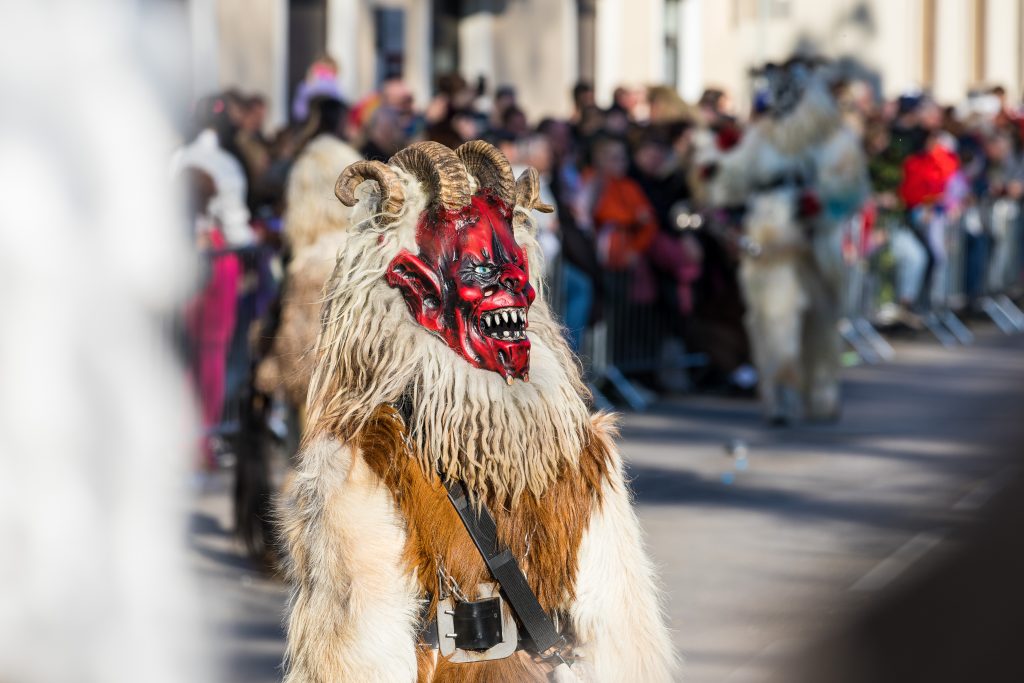
Krampusnacht in Austria and Bavaria (December 5th) is basically Halloween’s aggressive older brother. Young men dress as Krampus, a half-goat half-demon creature, and roam the streets with chains and bells, supposedly punishing naughty children. The costumes cost thousands of euros and the whole thing’s been turned into massive parades called Krampuslauf. Alpine towns go absolutely wild, and tourists who don’t know what they’re walking into often leave traumatized.
.jpg)
Iceland’s approach involves the Yule Lads: 13 trolls who visit children on the 13 nights before Christmas. Each has a specific personality defect: Spoon-Licker, Door-Slammer, Sausage-Swiper, Window-Peeper (yeah, that one’s creepy). They leave gifts in shoes placed on windowsills, but only if kids have been good. Bad kids get rotten potatoes. Their mother, Grýla, supposedly eats naughty children, and their pet is the Yule Cat who eats anyone not wearing new clothes on Christmas Eve.
👹 The Yule Lads of Iceland
🥄 Spoon-Licker
Arrives
December 14
🚪 Door-Slammer
Arrives
December 18
🌭 Sausage-Swiper
Arrives
December 20
👁 Window-Peeper
(yeah, creepy)
Arrives
December 21
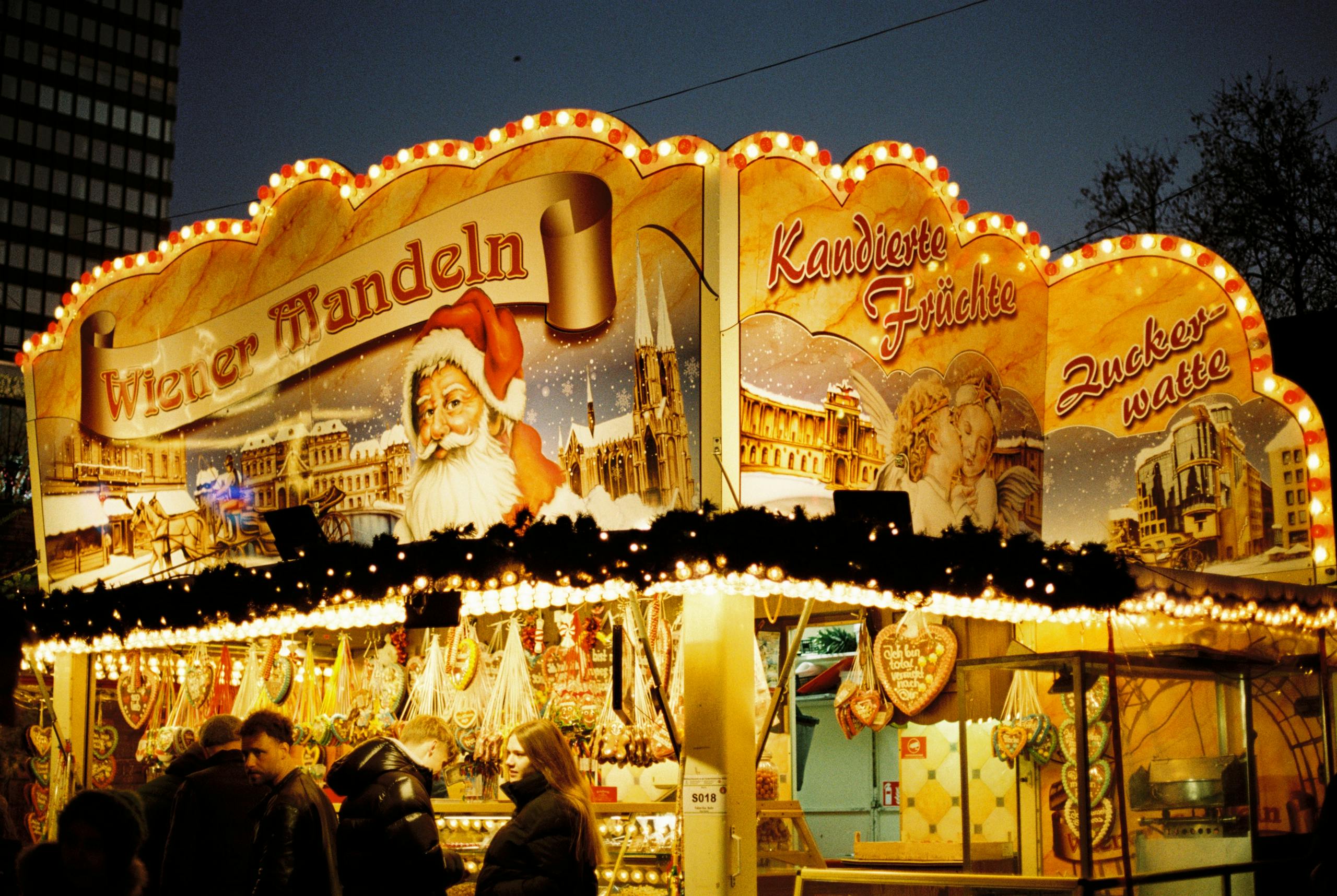
Germany’s Christmas markets, or Christkindlmärkte, start in late November and transform city centers into medieval wonderlands. Nuremberg’s is the most famous, dating back to 1628, with over 180 wooden stalls selling everything from lebkuchen (gingerbread) to handmade ornaments. The glühwein flows like water, served in commemorative mugs you’re supposed to return but everyone keeps. Dresden’s Striezelmarkt claims to be the oldest, dating to 1434, and features a giant stollen cake weighing four tons.
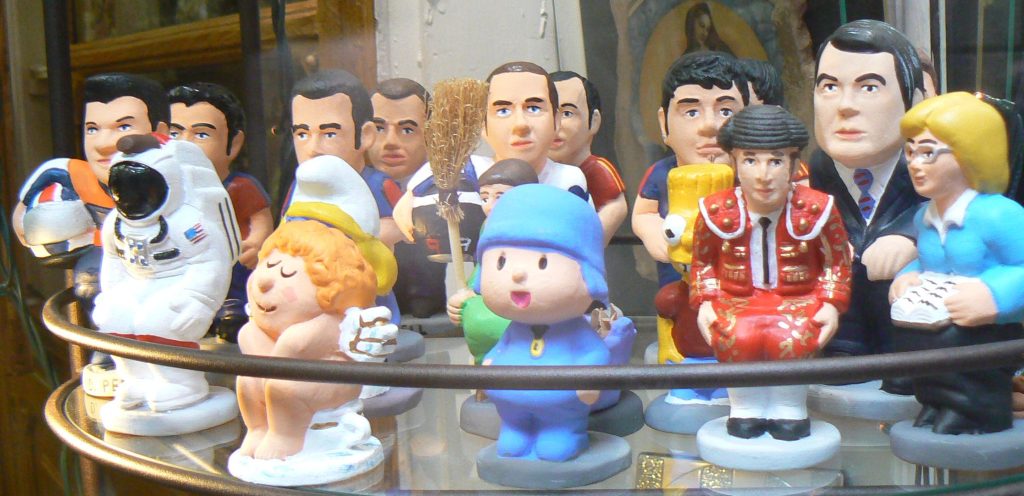
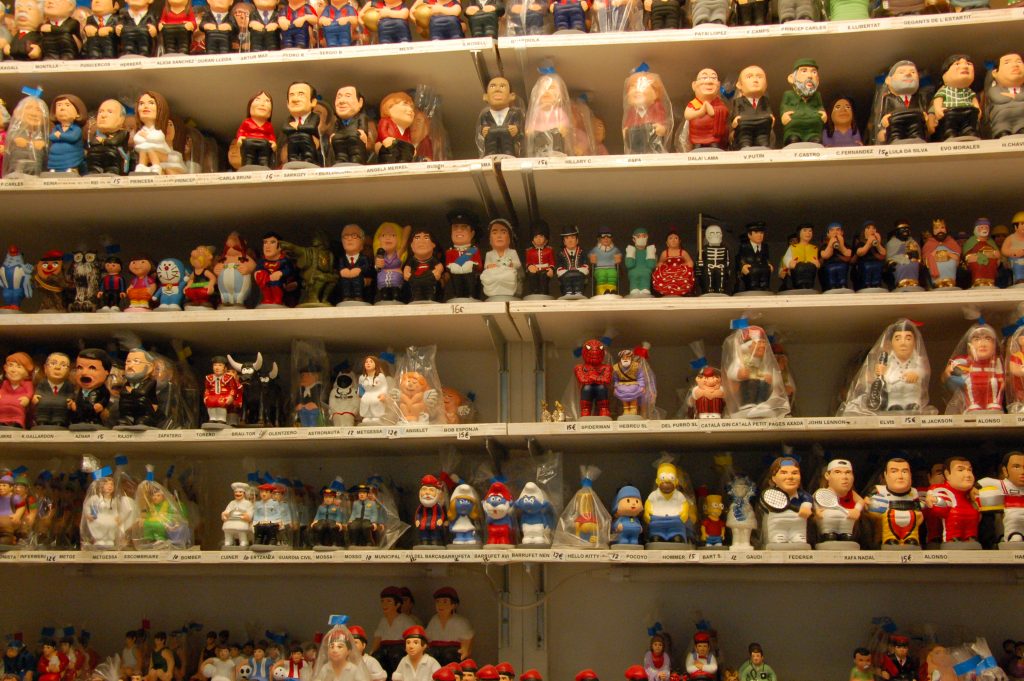
Spain’s Caganer tradition in Catalonia will mess with your head. It’s a figurine of someone defecating that gets hidden in nativity scenes. Originally a peasant in traditional Catalan clothing, now you can buy Caganers of politicians, celebrities, superheroes, basically anyone famous caught with their pants down. The tradition supposedly symbolizes fertilizing the earth and equality (everyone poops), but honestly, it’s just hilariously weird.
The Netherlands has Sinterklaas arriving from Spain by steamboat in mid-November with his helpers, the Zwarte Pieten. This tradition’s become incredibly controversial due to the blackface aspect of Zwarte Piet. Many Dutch cities are modifying the tradition with “Chimney Petes” who have soot marks instead of full blackface, but it remains a heated cultural debate every year.
In Ukraine, Christmas trees get decorated with artificial spider webs because of a legend about a poor widow whose children’s tree was decorated by spiders overnight, turning to silver and gold in the morning light. Finding a spider web on Christmas morning is considered good luck. They also celebrate Christmas Eve (Sviaty Vechir) with a 12-dish meatless feast, each dish symbolic of one of the apostles.
Asia’s Christmas Makeover: Colonel Sanders as Santa
Asian countries took Christmas and made it something completely unrecognizable from its origins, and honestly? It’s kind of brilliant.
Japan’s KFC Christmas started with Takeshi Okawara, manager of the first KFC in Japan, who overheard expats saying they missed turkey at Christmas. In 1974, KFC launched “Kurisumasu ni wa kentakkii!” (Kentucky for Christmas!) and now 3.6 million Japanese families eat KFC on Christmas. You have to order weeks in advance. The special Christmas meal includes fried chicken, cake, and champagne, costing around 4,000 yen. Colonel Sanders statues dress as Santa. It’s become so ingrained that many Japanese people think Americans eat KFC for Christmas too.
🍗 Japan’s KFC Christmas by the Numbers
Families order KFC
Advance Ordering
Average Cost
Tradition Started
Christmas in Japan is also basically Valentine’s Day 2.0; it’s a romantic holiday for couples. Christmas Eve dinner reservations at nice restaurants book up months ahead. Tokyo Tower lights up in special patterns, couples exchange presents, and being single on Christmas Eve is considered particularly sad. Christmas cake (a strawberry shortcake) must be eaten on the 24th; there’s even a cruel slang term “Christmas cake” for unmarried women over 25.
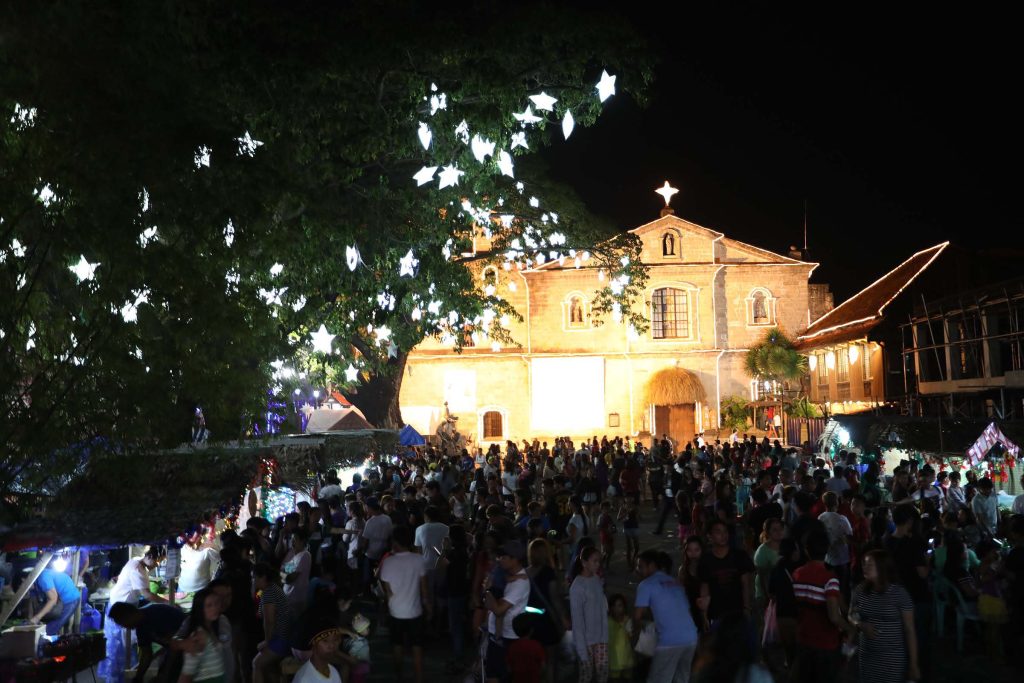
The Philippines starts celebrating in September, the moment the “ber” months begin. They have the world’s longest Christmas season. Simbang Gabi involves nine dawn masses starting December 16th. The belief is if you complete all nine, you get a wish. The Giant Lantern Festival in San Fernando features parols (star lanterns) up to 20 feet diameter with intricate light patterns synchronized to music. Every business, home, and jeepney gets decorated. Noche Buena feast after midnight mass on the 24th includes lechon (roasted pig), queso de bola (ball of edam cheese), and ham.
South Korea also treats Christmas as a couples’ holiday, but being about 30% Christian, there’s more religious observance than Japan. Churches are packed for services, then young couples hit the streets. Major department stores go all out with decorations; Lotte and Shinsegae compete for the most elaborate displays. Popular Christmas foods include Christmas cake (similar to Japan) and surprisingly, pizza.
In India, Christians make up only 2.3% of the population, but Christmas is a national holiday. In Goa, with its Portuguese influence, midnight mass is huge and they make neureos (sweet dumplings) and dodol (coconut and jaggery sweet). Kerala Christians decorate with mango leaves instead of holly. Mumbai’s Catholic community puts up huge stars called “akash kandil” outside their homes. In Northeast India, particularly Nagaland and Mizoram which are majority Christian, entire villages celebrate with community feasts and traditional tribal dances mixed with carols.
Singapore’s Orchard Road becomes a two-kilometer stretch of elaborate light displays, each mall trying to outdo the others. The Christmas light-up draws millions of visitors. Despite being tropical, they go full winter wonderland with fake snow, ice skating rinks, and shopping malls blast Christmas music from November onwards. The multicultural population means you’ll see Christmas decorations next to Deepavali and Hari Raya ones.
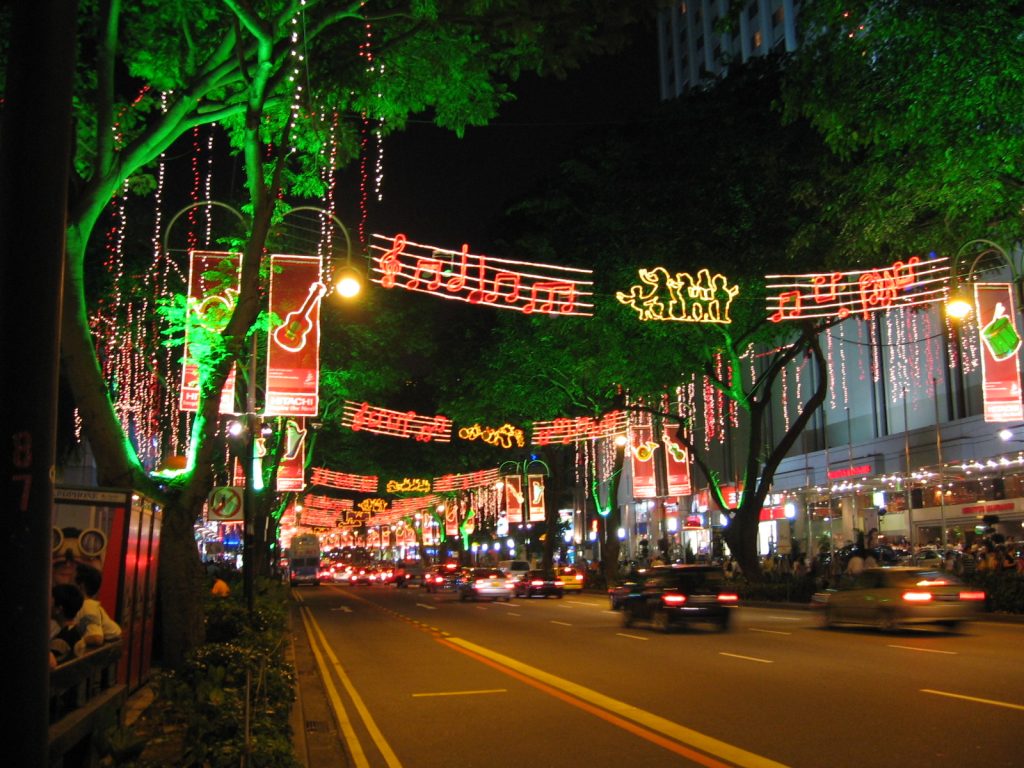
Latin America’s Festival Frenzy: Where Jesus Meets Fireworks
Latin American Christmas is what happens when Catholic colonialism meets indigenous traditions and everyone decides more is definitely more.
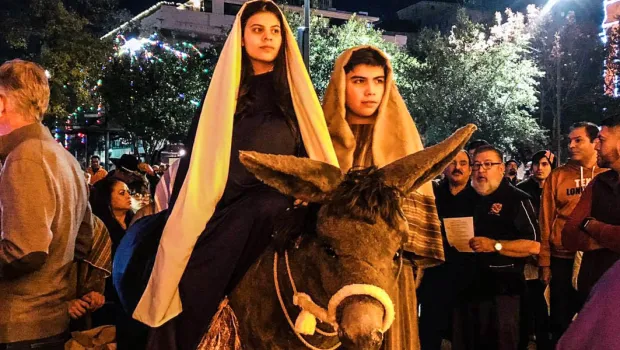
Mexico’s Las Posadas runs December 16-24, reenacting Mary and Joseph’s search for lodging. Each night, a procession goes house to house singing, getting rejected until the designated host lets them in for a massive party. The piñata at these parties originally had seven points representing the seven deadly sins; beating it symbolizes defeating temptation. The blindfold represents faith, the stick is virtue, and the candy falling is the reward for keeping faith. Modern piñatas are more likely to be Elsa from Frozen, but the symbolism’s technically still there.
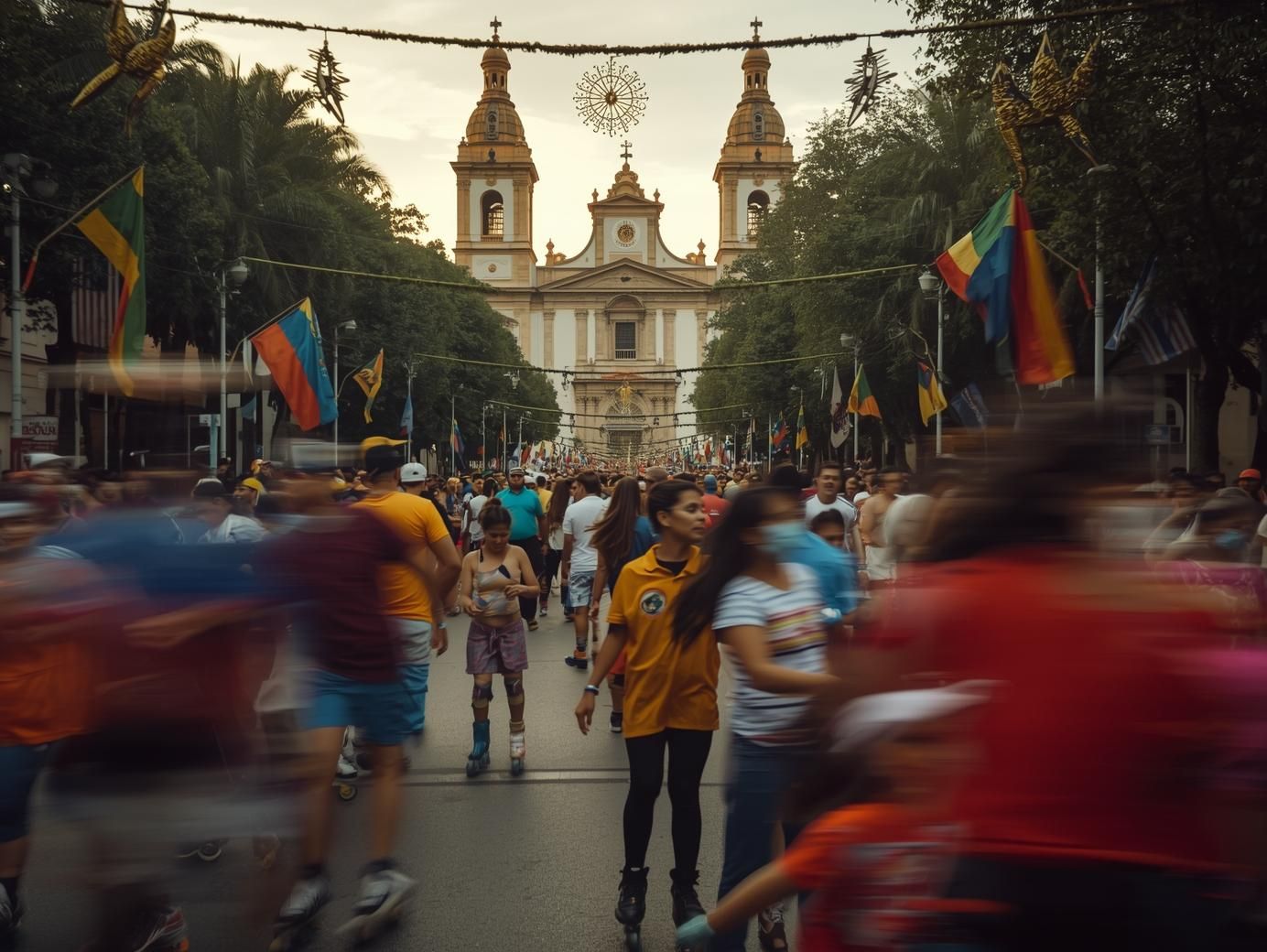
Venezuela’s capital Caracas has this wild tradition where people roller-skate to early morning Christmas mass (Misa de Aguinaldo). Streets get closed to traffic until 8 am so skaters can safely get to church. The night before, kids tie string to their big toes and hang it out the window so skaters can tug it as they pass. No one really knows how this started. Some say it was an alternative to sledding in a tropical country. After mass, people eat hallacas (corn dough stuffed with meat, wrapped in plantain leaves) and pan de jamón (bread rolled with ham, raisins, and olives).
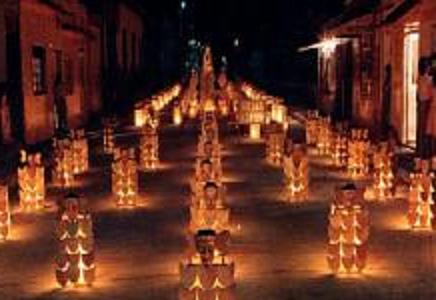
Colombia kicks off Christmas season with Día de las Velitas (Day of Little Candles) on December 7th. Originally honoring the Virgin Mary, entire neighborhoods compete for the best displays. People put candles and paper lanterns everywhere: sidewalks, windowsills, balconies, parks. Bogotá goes through approximately 15 million candles in one night. The fire department is on high alert. It’s beautiful and slightly terrifying.

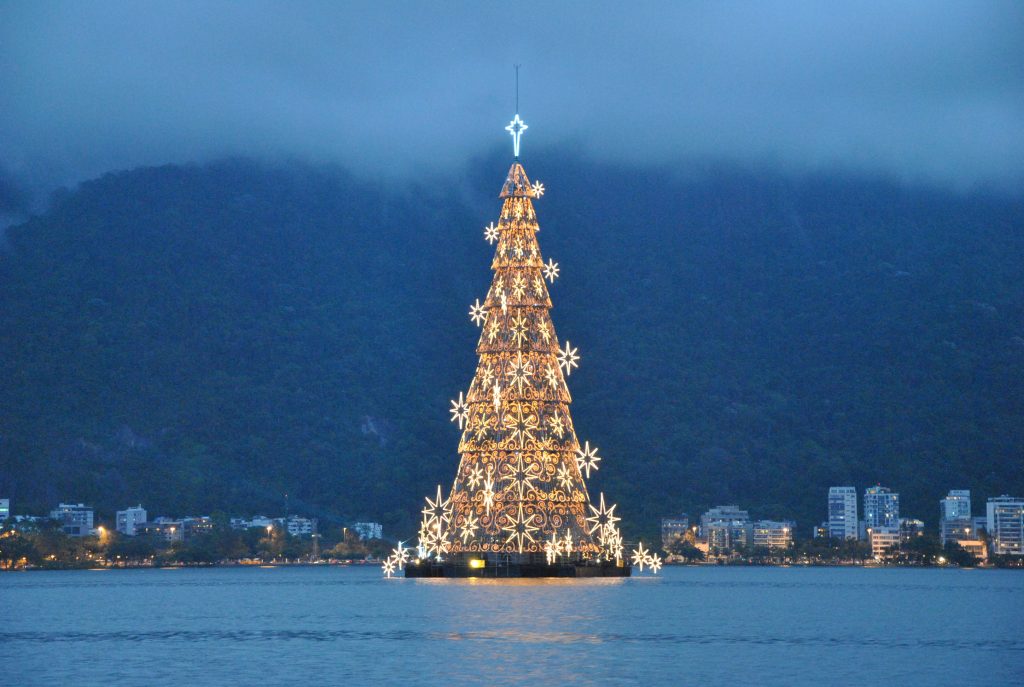
Brazil’s Papai Noel supposedly lives in Greenland but vacations in Brazil (obviously). He wears silk suits because, hello, it’s summer and hitting 40°C (104°F). Beach parties on Christmas Day are standard. Rio’s Lagoa Rodrigo de Freitas features a floating Christmas tree: 85 meters tall, 3.3 million lights, certified by Guinness as the world’s largest floating Christmas tree. Midnight on Christmas Eve means fireworks everywhere, not just official displays. Everyone’s shooting them off from rooftops and beaches.
_(5239337367).jpg)
In Argentina, fireworks at midnight on Christmas Eve are so intense it sounds like a war zone. Dinner doesn’t start until 10 or 11 pm, featuring vitel toné (veal with tuna sauce), pionono (rolled meat), and pan dulce (sweet bread with dried fruit). They toast exactly at midnight, then the sky explodes. Presents get opened after the fireworks die down, usually around 1 am. December 25th is for sleeping off the party.
Guatemala has La Quema del Diablo (Burning of the Devil) on December 7th. People clean out their houses and burn all the trash in bonfires to purify homes for Christmas. Originally they burned devil piñatas, now it’s mostly just garbage, creating massive air pollution. The government’s been trying to regulate it for years but tradition dies hard.
At 6 pm, the entire country is on fire, literally.
The Wonderfully Weird: Christmas Traditions That Make Zero Sense
Some Christmas traditions are so bizarre that explaining them to outsiders sounds like you’re making stuff up after too much eggnog.
Catalonia’s Caga Tió (pooping log) might be peak Christmas weird. Starting December 8th, kids feed a hollow log with a painted face, keeping it warm with a blanket. On Christmas Eve or Day, they beat it with sticks while singing songs about pooping, and it “defecates” presents that were hidden inside.
The song literally goes “Shit, log, shit nougat, hazelnuts and mató cheese, if you don’t shit well, I’ll hit you with a stick!”
There’s also Caganer figurines in nativity scenes; traditionally a peasant pooping, now you can buy Obama, the Pope, or Yoda versions.
Norway hides all brooms on Christmas Eve because of an old belief that witches and evil spirits come out looking for brooms to ride. People legitimately lock their cleaning supplies in closets. Some also fire shotguns into the air to scare away said witches, though this is becoming less common in urban areas for obvious reasons.
In Greenland, kiviak is a traditional Christmas delicacy: it’s 300-500 auks (small birds) stuffed whole into a seal skin, buried under rocks for several months until fermented. It supposedly tastes like very mature cheese. Mattak (whale blubber) is also popular. These traditions come from making the most of summer hunting for winter celebrations.
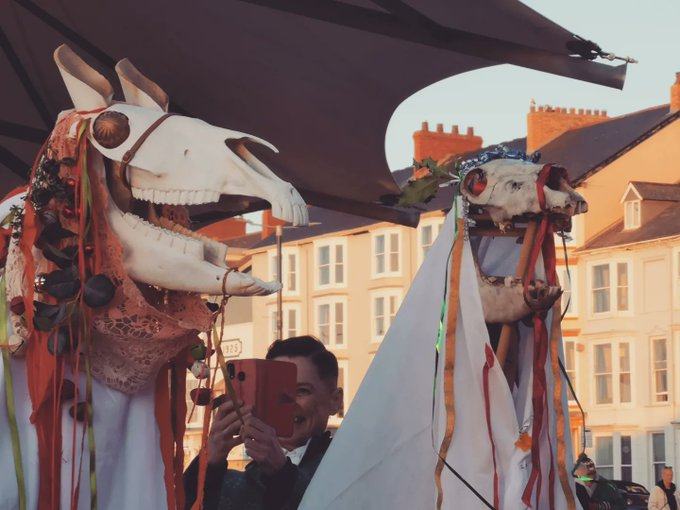
Wales has Mari Lwyd, where people parade a horse skull on a pole decorated with ribbons, knock on doors, and engage in rhyming battles (pwnco) with homeowners. If the skull team wins the battle of wits, they get invited in for drinks. The tradition nearly died out but got revived in the 1960s. Modern Mari Lwyds show up at pubs where the rhyming battles get increasingly inappropriate as the night goes on.
Czech single women stand with their backs to their front doors on Christmas Eve and throw shoes over their shoulders. If the shoe lands with the toe pointing toward the door, they’ll marry within the year. If the heel points to the door, another year of singleness. The tradition’s evolved to throwing shoes off apartment balconies, which is significantly more dangerous.
Ethiopia celebrates Genna on January 7th with a game that’s supposedly recreating the shepherds’ celebration when they heard about Jesus’s birth. It’s like field hockey but with more potential for injury. Players wear traditional white cotton robes, the game can last all day, and there’s no real referee. Villages play against each other and it gets competitive.
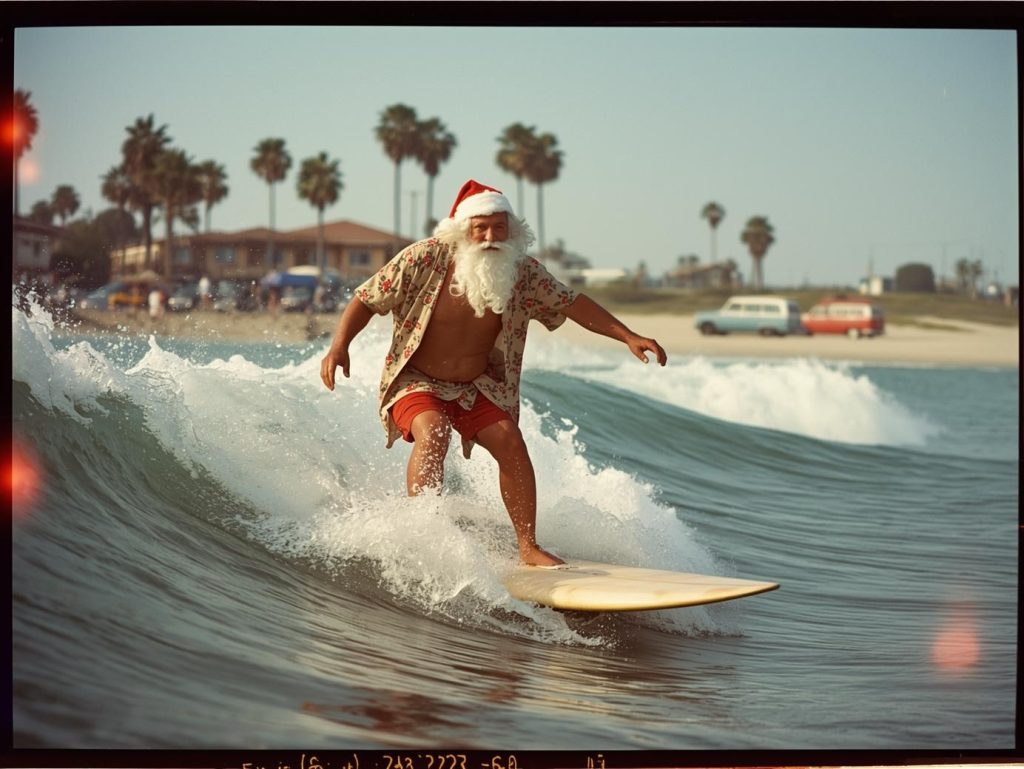
Australia, being in summer, does Christmas on the beach. Santa arrives by surfboard, lifeguards wear Santa hats, and “Six White Boomers” (about Santa’s kangaroos) plays instead of reindeer songs. Sydney’s Carols in the Domain attracts 40,000 people for outdoor carol singing. Seafood barbecues replace roast dinners: prawns, oysters, and lobster are Christmas foods. Some families do “Christmas in July” for the full winter experience.
How Coca-Cola Stole Christmas (And We All Said Thank You)
The modern Christmas we know is less about ancient tradition and more about 150 years of capitalism having a field day, and the evolution is absolutely wild.
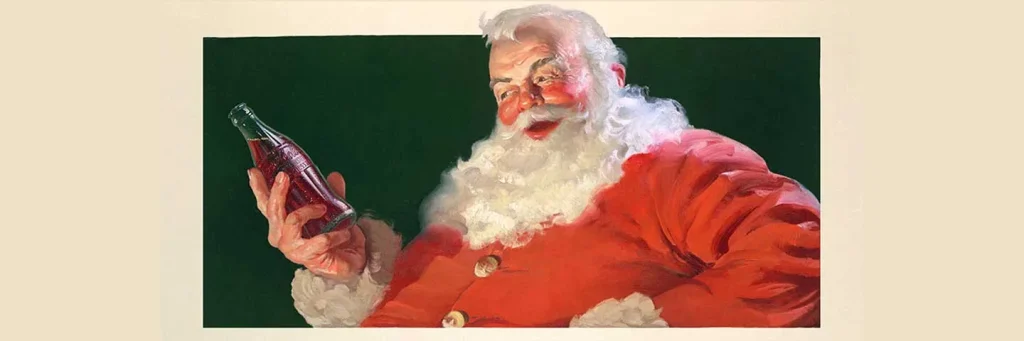
Coca-Cola didn’t invent the red-suited Santa, but they absolutely perfected him. Haddon Sundblom’s 1931 illustrations for Coke created the jolly, red-suited, grandfatherly Santa we know today. Before that, Santa was depicted as everything from a tall thin man to a gnome to occasionally wearing green or blue. Thomas Nast’s 1860s illustrations established the North Pole workshop thing, but Coke made Santa into a global brand ambassador. The company still uses Sundblom’s images, that specific twinkle in Santa’s eye has sold billions in sugar water.
Department stores turned Christmas into competitive sport. Macy’s started their window displays in 1874, and by the 1900s, stores were spending fortunes on elaborate mechanical displays. Wanamaker’s in Philadelphia had a massive pipe organ just for Christmas shopping ambiance. The first department store Santa appeared at James Edgar’s store in Brockton, Massachusetts in 1890. Now mall Santas go through actual training schools, learning how to handle everything from crying babies to adults asking for inappropriate gifts.
⚫ Black Friday by the Numbers
Deaths since 2006
Injuries recorded
More trash generated
Online shopping increase
Black Friday’s transformation is capitalism on steroids. Started in Philadelphia in the 1960s as police slang for the horrible traffic after Thanksgiving, retailers flipped it in the 1980s to mean profits going “into the black”. Now it starts on Thanksgiving Thursday, destroying the one American holiday that wasn’t about shopping. People literally die in Black Friday stampedes: there’ve been 12 deaths and 117 injuries since 2006. The deals aren’t even that good anymore; retailers just mark up prices in October to mark them down in November.
The “War on Christmas” is manufactured drama that started when retailers began saying “Happy Holidays” to include Jewish and other customers. Bill O’Reilly turned it into a culture war issue in 2004. Starbucks cups become annual battlegrounds. The irony? Christmas already won: it conquered November, colonized October with pre-sales, and is creeping into September.
If there’s a war, Christmas is clearly winning.
Instagram changed Christmas decorating forever. Suddenly everyone needs a “aesthetic”: minimalist Scandinavian, traditional red and green, winter wonderland white, rustic farmhouse. Pinterest boards determine decorations. Influencers post #ChristmasDecor in November for engagement. The Elf on the Shelf, invented in 2005, became a competitive parenting Olympics of increasingly elaborate scenarios. Parents lose sleep positioning that creepy elf doing yoga or having flour fights.
The sustainable Christmas movement is fighting back against the waste – Americans throw away 25% more trash between Thanksgiving and New Year’s. Living Christmas trees in pots, rented from farms and returned after the holidays. LED lights use 75% less energy. Furoshiki (Japanese fabric wrapping) replacing paper. Buy Nothing groups organizing gift exchanges. Some families are doing “experience gifts” only: concerts, classes, trips instead of stuff.
COVID Christmas 2020 changed everything overnight. Zoom Christmas became a thing. Virtual Santa visits. Drive-through light displays exploded in popularity. Families who hadn’t missed Christmas together in decades suddenly couldn’t travel. Hallmark movie viewing increased 30%. People who never decorated went all out because they were stuck looking at their homes. The pandemic potentially permanently changed gift-giving; online shopping jumped 44% and hasn’t gone back down.
Your Christmas Passport: Surviving the Global Holiday Maze
Planning Christmas travel requires understanding that the entire world loses its collective mind in December, but in completely different ways depending on where you’re going.
🎄 Choose Your Christmas Adventure
🎄
Germany
Classic markets
🍗
Japan
KFC & romance
⛸Venezuela
Roller-skating
👹
Austria
Krampus runs
🏖
Australia
Beach Christmas
🎡
Brazil
Summer fireworks
Christmas markets in Europe are tourist magnets but wildly different in quality. Nuremberg and Dresden are legit magical: local artisans, actual traditional foods, reasonable prices. But Brussels’ market is basically overpriced mass-produced garbage with a nice city hall backdrop. Cologne has seven different markets, each with different themes. Strasbourg calls itself the “Capital of Christmas” and honestly deserves it. Pro tip: weekday mornings before the glühwein flows are actually pleasant. Weekend evenings are drunk chaos. Book accommodations by September or you’re paying triple.
For experiencing authentic local traditions, timing is everything. Las Posadas in Mexico needs small towns, not Cancun. Oaxaca does it beautifully. For Krampuslauf, skip touristy Innsbruck and hit smaller Alpine towns like Bad Gastein. The Philippines’ Simbang Gabi masses start at 4 am – commitment required. Ethiopia’s Genna happens January 7th when most tourists are gone. Book flights for December 26th when everyone else is going home and prices drop 40%.
Countries that shut down completely for Christmas include Germany (December 24-26, nothing open), Norway (December 24-26), and Denmark. Even grocery stores close. Stock up December 23rd or starve. Meanwhile, Japan doesn’t recognize December 25th as a holiday. Everything’s open but restaurants are booked for romantic dinners. Israel obviously doesn’t celebrate, though Nazareth goes all out. Muslim countries like Morocco or Egypt, Christmas is just Tuesday but hotels might do token decorations for Western guests.
🎄 Christmas Travel Survival Tips
Book Europe hotels
Best flight prices
Price drop post-Christmas
Philippines Mass time
The temperature paradox messes with Northern Hemisphere folks. Buenos Aires hits 30°C (86°F) on Christmas. Sydney’s beach Christmas feels wrong if you’re expecting snow. Cape Town’s summer Christmas includes “Christmas beetles” everywhere. Meanwhile, Lapland’s selling -30°C (-22°F) “authentic” Christmas experiences with reindeer and northern lights. Rovaniemi in Finland declared itself Santa’s official hometown and built an entire industry around it.
Avoiding cultural mistakes matters. Don’t wish “Merry Christmas” in countries where Christians are minorities unless you know someone celebrates. In Japan, Christmas Eve is for couples: being a third wheel is extra awkward. Don’t expect Jewish delis in New York to embrace your Christmas spirit. In Orthodox countries, December 25th means nothing. January 7th is the day. Some Latin American countries open gifts at midnight December 24th, not morning of 25th.
Budget destinations with amazing Christmas experiences include Poland (incredible markets, 10% the cost of Germany), Mexico City (Las Posadas plus amazing food), Philippines (longest celebration, still cheap), and Colombia (beautiful lights, affordable). Expensive Christmas destinations that aren’t worth it include Dubai (fake snow in malls, why?), Times Square (nightmare logistics, better on TV), and Lapland packages (overpriced reindeer encounters).
For Christmas light displays, skip New York’s crowds and hit smaller cities. Richmond’s Tacky Light Tour is houses competing for the gaudiest display. Medellín’s alumbrados run December through January with 30 million lights. Tokyo’s illuminations run November through February: less Christmas, more winter art. Singapore’s Orchard Road beats them all for sheer concentration of lights per square meter.
The Christmas Takeaway: Embrace Your Local Insanity
Christmas, in all its contradictory glory, might be humanity’s most honest holiday. It’s simultaneously sacred and commercial, universal and deeply personal, traditional and constantly evolving. It’s a holiday that can mean Kentucky Fried Chicken in Tokyo, roller skates in Caracas, or a pooping log in Barcelona. And somehow, it all makes perfect sense.
There’s no wrong way to Christmas. There’s just your way, their way, and about seven billion other ways that are equally valid and equally weird.
Whether you’re team “silent night” or team “jingle bell rock until dawn,” Christmas has become less about theological accuracy and more about what we humans do best: taking an idea and running with it until it’s unrecognizable but somehow more meaningful than ever. It’s proof that culture isn’t preserved in museums; it’s remixed on streets, in homes, and yes, occasionally in KFC buckets.
The beautiful chaos of global Christmas traditions shows us that humans will find any excuse to gather, feast, and create meaning in the darkest days of winter (or brightest days of summer, depending on your hemisphere). We’ve taken a story about a baby in a manger and turned it into an excuse for everything from demon parades to roller-skating to church to logs that defecate presents.
So this December, whether you’re dodging Krampus in Innsbruck or trying to explain to your Japanese host family why Colonel Sanders isn’t traditionally part of the nativity scene, remember: there’s no wrong way to Christmas. There’s just your way, their way, and about seven billion other ways that are equally valid and equally weird.