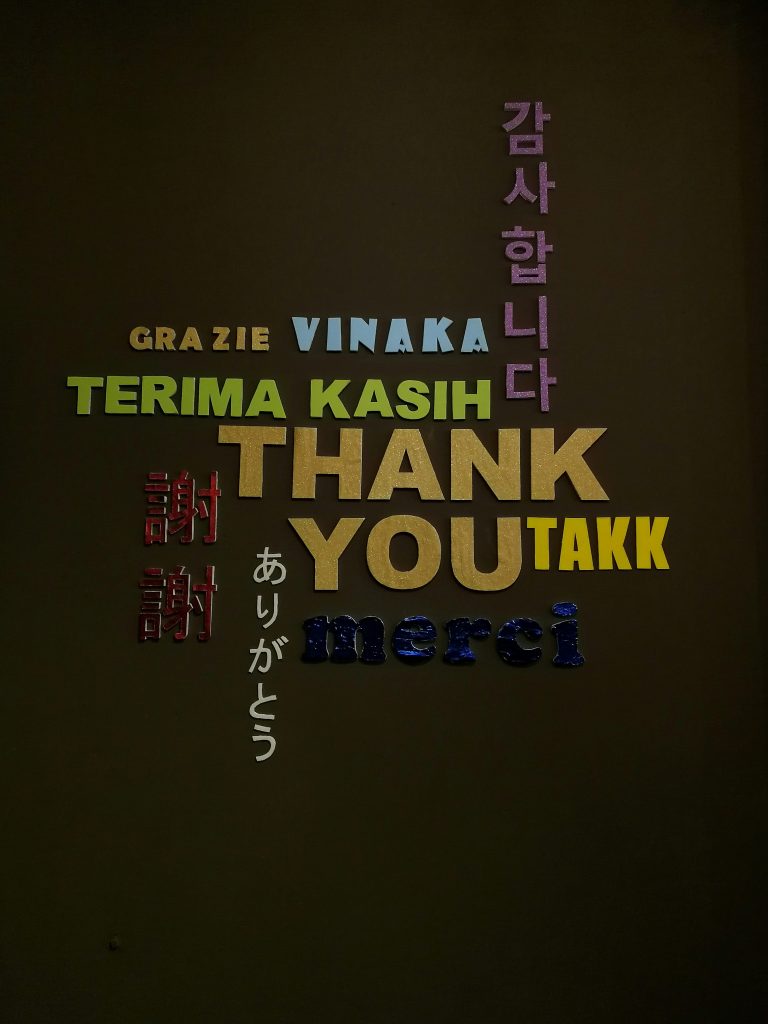
Every single day, professional translators work tirelessly to connect our increasingly globalized world, yet these linguistic magicians remain largely invisible, working behind the scenes to make cross-cultural understanding possible. As someone who deliberately chose translation as my first career path and somehow never left (because honestly, where else can you argue about comma placement and call it professional development?), I can tell you that International Translation Day on September 30th is more than just another calendar entry. It’s a celebration of the people who make cross-cultural understanding possible, one perfectly agonized-over word at a time.
Translation isn’t just about converting words; it’s about building understanding across the beautiful, chaotic diversity of human expression.
The Sacred Origins: Why September 30th Became Translation’s Holy Day

Here’s where things get beautifully nerdy. International Translation Day isn’t some random date picked by committee. It’s tied to St. Jerome, the patron saint of translators, who died on September 30th, 420 AD. This guy basically invented the job as we know it by translating the Bible into Latin, creating the Vulgate that dominated Christianity for over a millennium. Talk about job security.
💬 Timeline of International Translation Day
420 AD
St. Jerome dies on September 30th
1953
International Federation of Translators (FIT) established
1991
FIT officially launches International Translation Day
2017
UN officially recognizes September 30th as International Translation Day
The International Federation of Translators (FIT) was established in 1953, and since their inception, translators were encouraged to celebrate St. Jerome’s feast day. But it wasn’t until 1991 that FIT’s Public Relations Committee officially launched International Translation Day as a holiday to be celebrated internationally and annually.
The timing was perfect: the Cold War was ending, globalization was ramping up, and suddenly everyone realized we needed people who could actually understand what the hell everyone else was saying.
The real milestone came in 2017 when the United Nations General Assembly passed resolution 71/288, officially declaring September 30th as International Translation Day. The significance goes way deeper than professional recognition, though. This date represents the moment when humanity acknowledged that accurate communication across languages isn’t just helpful, it’s essential for survival.
Global Celebrations: From UN Ceremonies to Professional Gatherings
The United Nations throws the most prestigious International Translation Day celebrations with awards ceremonies that actually matter in the translation world. The UN also hosts their annual St. Jerome Translation Contest, featuring translations in Arabic, Chinese, English, French, Russian, Spanish, and German.
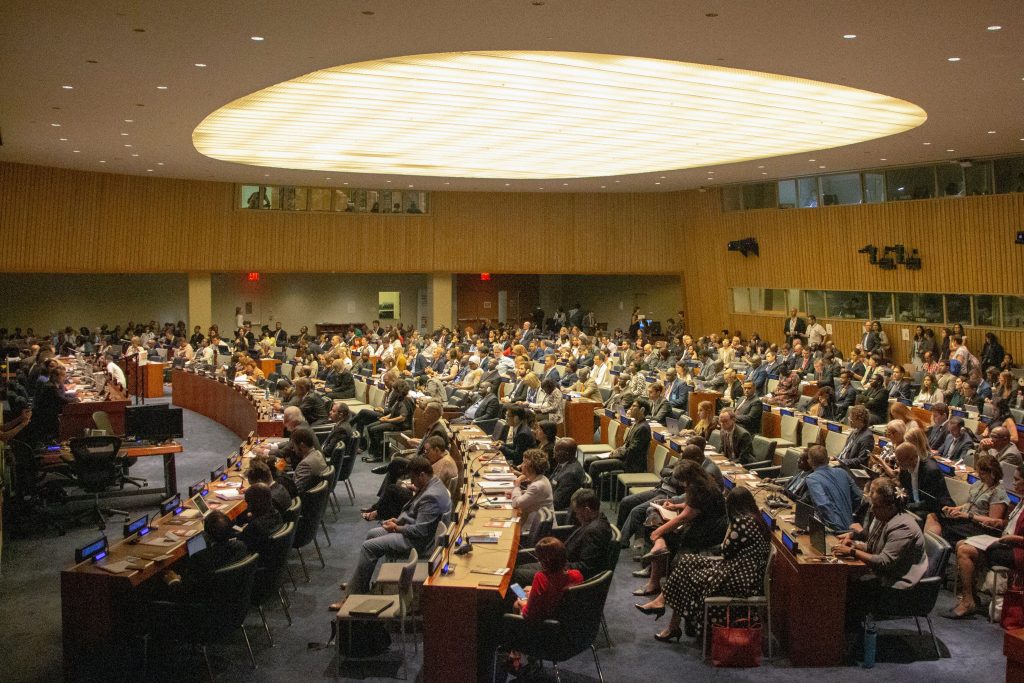
European Union translation services go all out across member states, hosting open houses where the public can watch translators work in real-time. The EU Council’s Translation Service handles 13,000 translation requests annually and produces an average of 1 million pages of translated text. It’s like a language factory, and honestly, it’s fascinating watching someone seamlessly switch between Finnish, Portuguese, and Hungarian while discussing agricultural policy.
Pages of text translated annually by the EU Council’s Translation Service
That’s like 2,000 novels worth of translation work every year!
Universities with translation programs organize student competitions that get surprisingly intense. Speed translation challenges, accuracy tournaments, and translation workshops showcase the complexity of the profession while building the next generation of language professionals.
Professional translator associations worldwide use the day for networking events that feel more like reunions than conferences. These are the people who understand why you spent three hours researching whether “pursuant to” or “in accordance with” better captures the intent of a legal document.
The Delightfully Weird Side: Translation’s Quirky Traditions
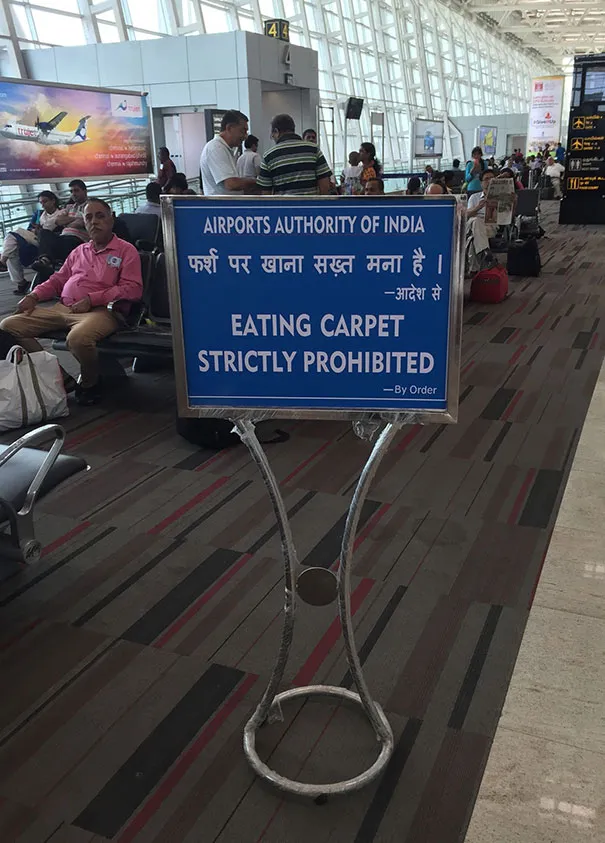
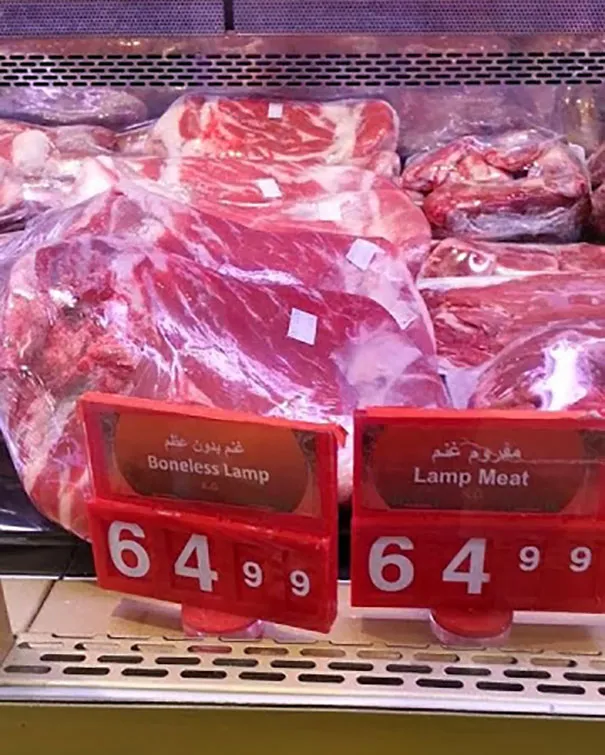
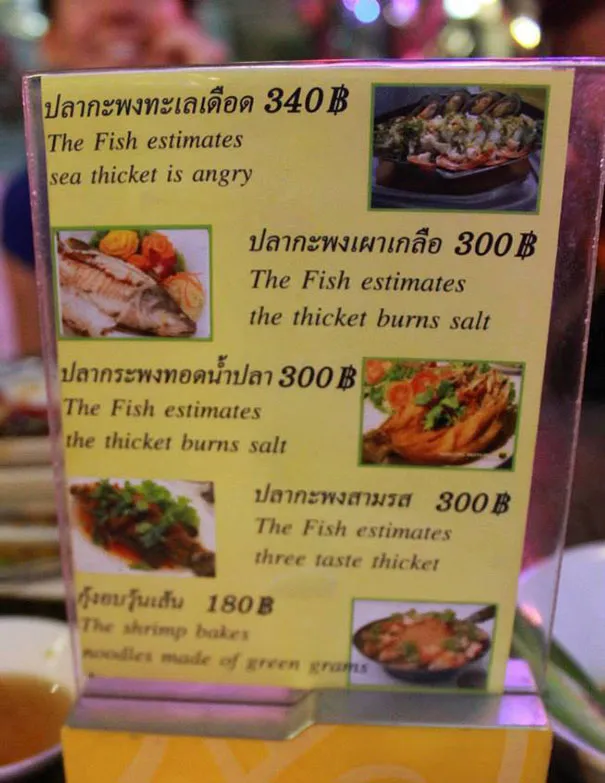
Some of the most entertaining International Translation Day celebrations happen in the margins. Social media explodes with #TranslationFail and #TranslationWin campaigns. The fails are hilarious — like restaurant menus offering dishes that clearly went through multiple machine translation cycles — but the wins showcase translation’s true magic. When someone captures the perfect cultural equivalent that makes a foreign joke land in your language, that’s art.
The American Translators Association has celebrated International Translation Day since 2018 by publishing educational social media content, including infographics about the profession and videos depicting “A Day in the Life of a Translator or Interpreter”. These efforts help demystify what translators actually do beyond the Google Translate stereotype.
FIT creates annual themes for International Translation Day, with recent examples including “Translation unveils the many faces of humanity” and “A world without barriers”. These themes highlight different aspects of the profession and create unified messaging across the global translation community.
Reality Check: What Translators Actually Do (Spoiler: It’s Not Google Translate)
Let’s demolish some myths. Translators don’t just swap words between languages like some human dictionary app. They’re cultural mediators, working in the space between languages where meaning lives.
👍 Human vs Machine 👎
🧠 Human Translator
Cultural mediation
Context preservation
“Why bathroom privacy concepts vary between cultures”
🤖 Google Translate
Simple word swapping
Basic communication
“Where is bathroom?”
Medical translators literally save lives by ensuring drug dosages, surgical procedures, and diagnostic information cross language barriers accurately. Legal translators prevent international incidents by catching nuances that could void contracts or violate treaties. Literary translators resurrect dead authors in new languages, somehow maintaining their voice while making them comprehensible to completely different cultures.
💬 specializations
💊📋 Medical Translation
Life-saving accuracy in drug dosages and procedures
⚖📝 Legal Translation
Preventing international incidents through precise contracts
📚✨ Literary Translation
Resurrecting authors’ voices in new languages
The emotional labor is intense. Translators carry the weight of accuracy, knowing that their word choice could affect someone’s citizenship application, medical treatment, or understanding of their favorite novel. They’re responsible for preserving intent while adapting message, maintaining tone while shifting cultural context.
Technology has definitely changed the game. AI translation tools handle basic communication, but they’re like calculators to mathematicians: useful for simple operations, but useless for complex problem-solving.
Machine translation can tell you where the bathroom is; human translators explain why the cultural concept of privacy around bathrooms varies dramatically between societies.
Regional Recognition: How Different Cultures Honor Translation
The global nature of International Translation Day means celebrations adapt to local translation challenges and cultural contexts. Countries with strong multilingual traditions often host events showcasing their unique linguistic landscapes.

Nations with significant immigrant populations use the day to highlight translation’s role in social integration and access to public services. Immigration assistance groups and medical clinics serving diverse populations often organize events demonstrating how translation breaks down barriers to essential services.
Academic institutions worldwide use International Translation Day to showcase translation studies programs and research. These events often feature public lectures on translation theory, workshops on emerging technologies, and discussions about the future of the profession.
Professional associations in different countries coordinate their celebrations to share best practices and maintain international connections within the translation community.
Join the Celebration: Making International Translation Day Matter
Supporting International Translation Day doesn’t require a linguistics degree. Start by reading literature in translation and actually acknowledging the translator; their name should be on the cover, not hidden in fine print. When you encounter excellent translation work, whether in films, books, or even restaurant menus, take a moment to appreciate the invisible hand that made that communication possible.

Many translation organizations host virtual events open to the public on September 30th. Organizations like the American Translators Association and International Federation of Translators offer accessible presentations that demystify the profession.
Volunteer for non-profit organizations needing translation services. Immigration assistance groups, medical clinics serving diverse populations, and international charities always need help with document translation. It’s a chance to see translation’s humanitarian impact firsthand.
Learn about translation challenges through professional resources. The Translation Studies field offers fascinating insights into how translation shapes international understanding and cultural exchange.
The Future of Translation: Challenges and Celebrations Ahead
International Translation Day’s growing recognition reflects translation’s increasing importance in our connected world. Climate change negotiations require precise technical translation between dozens of languages. Pandemic responses depend on accurate medical translation that can save millions of lives. Cultural preservation efforts rely on translators documenting endangered languages before they disappear.

The profession is evolving rapidly. New specializations emerge as technology advances: video game localization, app interface translation, and social media content adaptation. Younger translators bring fresh perspectives on inclusive language and cultural sensitivity, pushing the field toward greater awareness of how language shapes worldview.
AI translation continues improving, but it’s creating new opportunities rather than eliminating jobs. Human translators increasingly focus on quality assurance, cultural consultation, and handling complex texts that require deep cultural understanding. The future belongs to translator-technology partnerships, not replacement.

International Translation Day celebrations are expanding globally as more countries recognize translation’s strategic importance. National governments invest in translation education, understanding that linguistic competency directly impacts international competitiveness and cultural preservation.
International Translation Day reminds us that behind every international agreement, every foreign film subtitle, and every immigrant’s successful doctor’s appointment, there’s a translator who made that communication possible.
These linguistic bridge-builders deserve more than one day of recognition, but September 30th gives us a perfect excuse to appreciate the invisible army that keeps our world talking to itself.
Whether you’re reading this in your native language or someone translated it for you, take a moment to thank a translator today. Trust me, they’ll appreciate it more than you know! Translation isn’t just about converting words; it’s about building understanding across the beautiful, chaotic diversity of human expression. Ready to dive deeper into the world’s most underappreciated profession? Join the celebration and discover how translators are quietly changing the world, one carefully chosen word at a time.