Here’s the thing about World Tourism Day. Most people have never heard of it, which is honestly kind of perfect. While everyone’s arguing about overtourism and Instagram spots, this September 27th celebration quietly champions the kind of travel that actually matters. You know, the type where you might accidentally end up crying happy tears at a stranger’s wedding ceremony instead of just collecting passport stamps.
357 million people’s livelihoods depend on travelers making good choices.
Did you know that tourism accounts for 1 in 10 jobs globally? That’s roughly 357 million people whose livelihoods depend on travelers making good choices. But here’s where it gets interesting. The destinations thriving aren’t necessarily the ones with the biggest marketing budgets. They’re the places that figured out how to share their culture without selling their soul.
World Tourism Day isn’t some bureaucratic invention designed to make travel agents feel better about themselves. It’s actually a rallying cry for tourism that celebrates, preserves, and genuinely connects with local cultures. Think of it as the antidote to cruise ship crowds and those depressing “authentic” restaurants that serve the same menu in twelve different countries.
The Surprisingly Rebellious History of World Tourism Day
The United Nations didn’t just wake up one day in 1980 and decide the world needed another awareness day. World Tourism Day emerged from a growing recognition that tourism could either be a force for cultural destruction or cultural celebration, and the choice was entirely up to us.
🌍 World Tourism Day Timeline
1970
UNWTO Statutes adopted on September 27th
1980
First World Tourism Day celebrated
2025
“Tourism and Sustainable Transformation” theme
The timing wasn’t coincidental either. September 27th marks the anniversary of the adoption of the UNWTO Statutes in 1970, but more importantly, it falls during that sweet spot when most of the world’s harvest festivals and autumn celebrations are happening. Clever, right?
Each year’s theme tells a story about where tourism is heading. Back in the 80s, they were focused on basic concepts like “Tourism’s Contribution to World Peace”. Fast forward to recent years, and you’ll see themes like “Rethinking Tourism” and “Tourism and Rural Development”. The evolution reflects our growing understanding that authentic cultural experiences aren’t just nice-to-haves, they’re essential for both travelers and local communities.
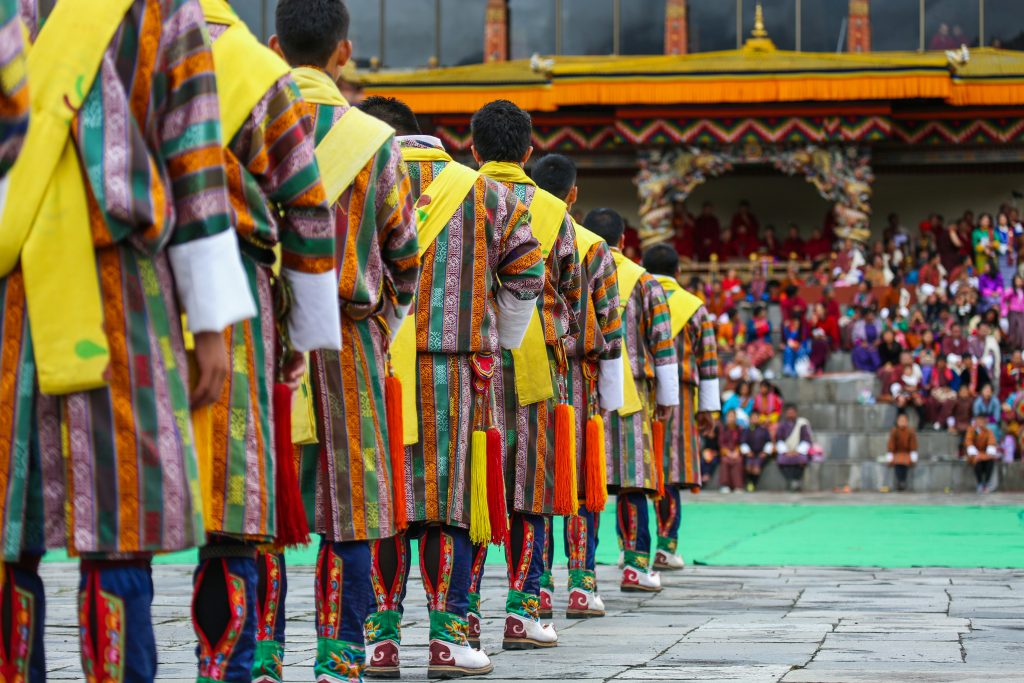
What’s fascinating is how destinations that embraced World Tourism Day principles early on are now the ones everyone wants to visit. Bhutan’s Gross National Happiness philosophy, New Zealand’s conservation-focused tourism, and Japan’s seasonal celebration culture didn’t happen by accident. These places understood that sustainable cultural tourism creates a competitive advantage that flashy resorts simply can’t match.
The economic impact speaks volumes too. According to UNWTO data from 2022, cultural tourism represents about 40% of all international tourism revenue. That’s not just museum visits and historical sites: it includes festival participation, traditional craft workshops, and community-based experiences that keep cultural practices alive and thriving.
Sustainable Transformation in 2025: Tourism Finally Growing Up
This year’s World Tourism Day theme focuses on “Tourism and Sustainable Transformation”, which feels like the tourism industry finally admitting what responsible travelers have known all along:
Growth without purpose is just organized destruction wearing a vacation outfit.
The theme couldn’t be more timely. With tourism contributing $10.9 trillion to global GDP in 2024 and supporting 357 million jobs worldwide, the industry has reached a scale where every decision ripples across communities, ecosystems, and cultures. The question isn’t whether tourism will continue growing; it’s whether that growth will create the kind of transformation that actually benefits the places and people we visit.
📊 Tourism by the numbers
Jobs Globally
GDP Contribution
Jobs Supported
Sustainable transformation means recognizing that authentic cultural experiences aren’t museum pieces. They’re living traditions that serve communities first, visitors second. The best cultural tourism experiences happen when travelers understand they’re being invited to witness something meaningful, not entitled to entertainment that’s been sanitized for their comfort.
Take Thailand’s approach to managing Songkran celebrations. What started as a Buddhist cleansing ritual has evolved into a massive tourism draw, but the communities that maintain the original spiritual elements alongside the celebration are the ones creating the most meaningful experiences for both locals and visitors. They’ve figured out how to honor tradition while adapting to contemporary realities.

The destinations getting sustainable transformation right are seeing incredible results. They’re attracting travelers who spend more, stay longer, and return multiple times because they’ve experienced something genuine. These visitors become advocates, sharing stories that no marketing budget could buy.
Smart travelers are catching on too. Instead of asking “What’s there to see?” they’re asking “How can I experience this place responsibly?” It’s a subtle shift that changes everything about how trips get planned and experienced.
Beyond Tourist Traps: What Authentic Cultural Experiences Actually Look Like
Here’s the uncomfortable truth: most of what gets marketed as “authentic cultural experiences” is about as genuine as a plastic souvenir. Real cultural authenticity isn’t something you can book through a hotel concierge, and it definitely doesn’t come with a guarantee that everything will go according to plan.
👍 Yes & No 👎
✅ Authentic Experience
Genuine local interactions
✅ Authentic Experience
Real celebrations
✅ Authentic Experience
Community-based tourism
❌ Tourist Trap
Posed photos
❌ Tourist Trap
Fake cultural shows
❌ Tourist Trap
Commercialized “authentic” experiences
Authentic cultural experiences happen in the spaces between planned activities. They’re the wedding invitation you receive from someone you met at a market, the impromptu cooking lesson that happens because you asked genuine questions about local ingredients, or the festival that completely disrupts your itinerary but becomes the highlight of your entire trip.
The research phase is where most people go wrong. Instead of googling “top cultural experiences in [destination]”, try searching for “[destination] traditional calendar” or “[destination] harvest festivals”. Local government tourism sites often list community events that never make it into guidebooks because they’re meant for residents, not tourists.
Cultural appreciation versus appropriation becomes crucial here. The difference isn’t always obvious, but there are some reliable guidelines. If you’re being asked to dress up in traditional clothing for photos, that’s usually a red flag. If you’re being taught the cultural significance behind traditional clothing and then invited to participate appropriately, that’s probably genuine.

Working with community-based tourism initiatives makes a huge difference. These organizations exist specifically to create authentic cultural exchanges while ensuring benefits flow directly to local communities. They’re usually more expensive than mass tourism options, but the experiences are incomparable, and your money actually supports cultural preservation instead of just profit margins.
The photography ethics piece is huge too. Sacred ceremonies aren’t Instagram opportunities, and the best cultural experiences often happen when phones stay in pockets. Some of the most meaningful cultural interactions happen precisely because they can’t be commodified or shared, they exist only in memory and personal connection.
Regional Celebrations That Redefine What Tourism Can Be
Every region has celebrations that reveal something essential about how culture actually works when it’s not being performed for tourists. These aren’t necessarily the biggest or most famous festivals, they’re the ones that demonstrate how traditions adapt and survive in modern contexts.
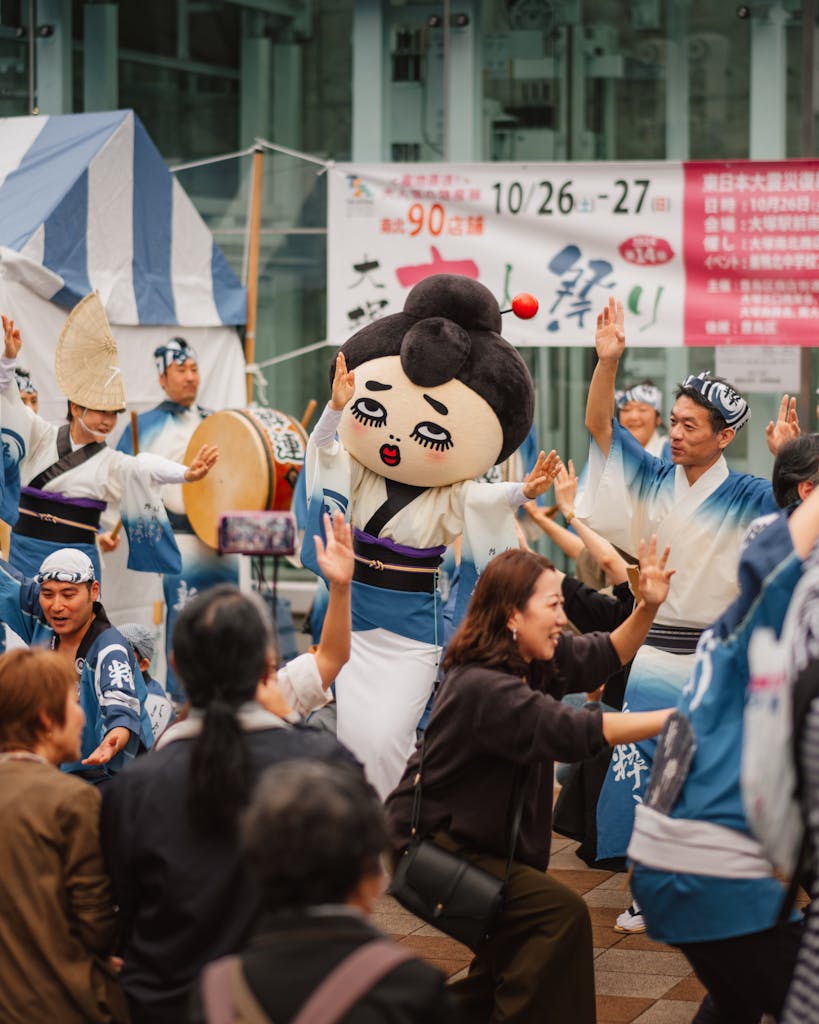
In Asia, seasonal transitions drive some of the world’s most sophisticated cultural celebrations. Japan’s matsuri system creates year-round opportunities for authentic cultural participation, but the best experiences happen at smaller neighborhood festivals where visitors might be the only foreigners present. Thailand’s regional variations of Buddhist celebrations show how the same tradition can express itself completely differently depending on local history and geography.
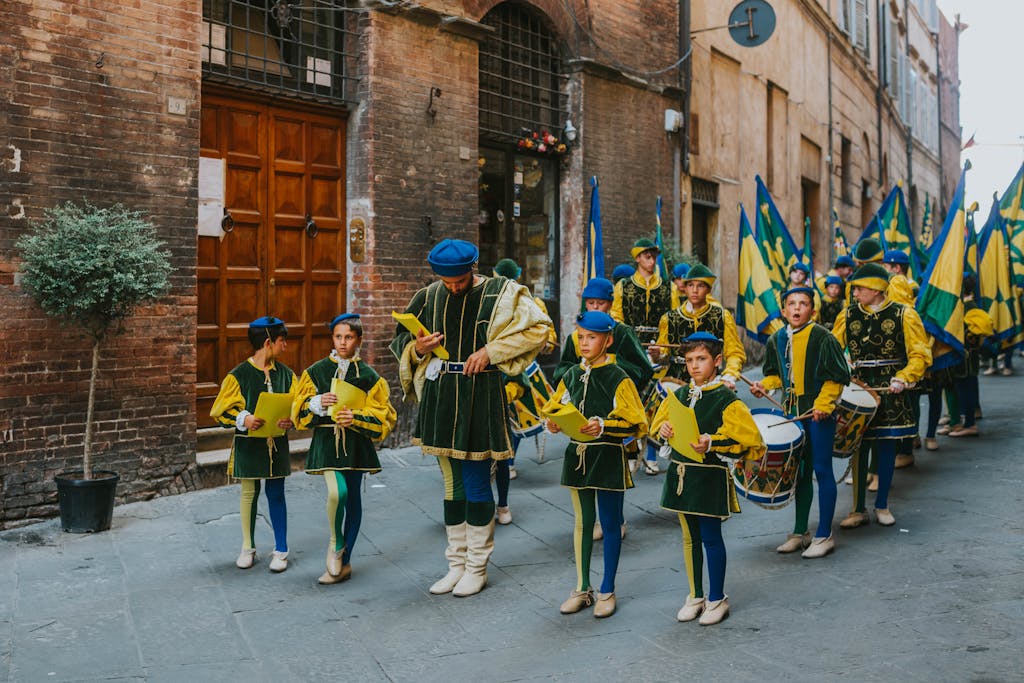
European cultural celebrations often reveal the continent’s complex relationship with tradition and modernity. Medieval festivals in places like Carcassonne or Rothenburg aren’t historical reenactments, they’re contemporary celebrations that use historical frameworks to create community identity. The harvest festivals throughout rural Europe demonstrate how agricultural traditions adapt to modern economic realities while maintaining cultural significance.
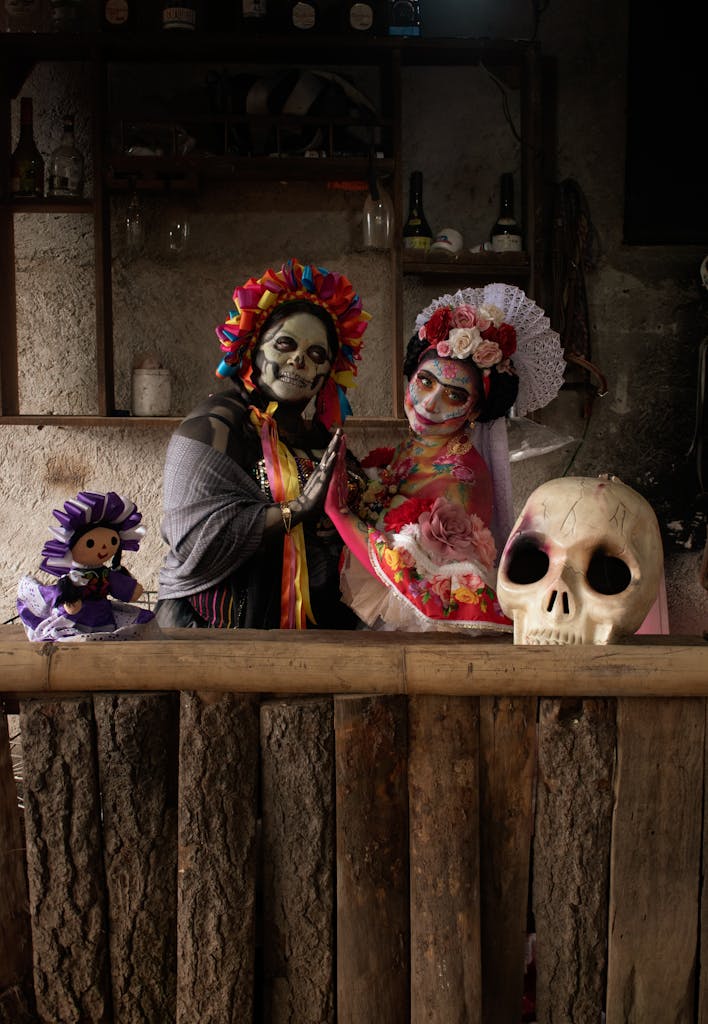
The Americas offer perhaps the most complex cultural celebration landscape, where indigenous traditions, colonial influences, and contemporary innovations create entirely new forms of cultural expression. Day of the Dead celebrations in Mexico vary dramatically from region to region, each reflecting local history and contemporary concerns. Similarly, powwows across North America range from intimate community gatherings to major cultural festivals, each serving different purposes within indigenous cultural preservation.
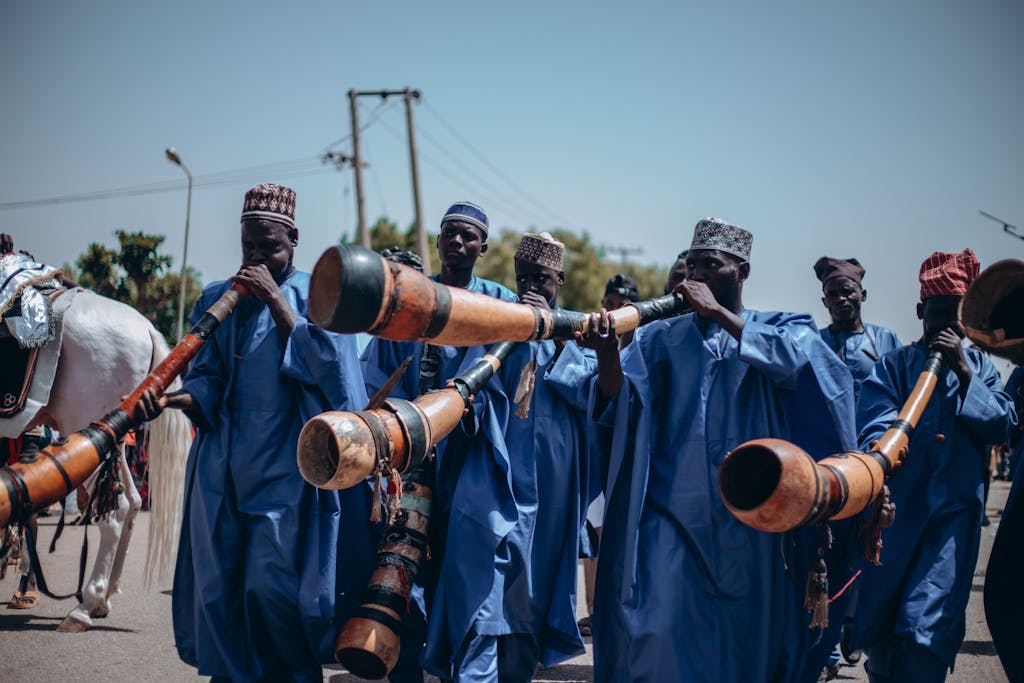
African cultural celebrations often challenge Western assumptions about tradition and modernity. Music festivals in places like Mali or Ghana aren’t just entertainment; they’re spaces where traditional and contemporary cultural expressions negotiate their relationship. These celebrations demonstrate how cultural tourism can support artistic innovation while honoring ancestral practices.
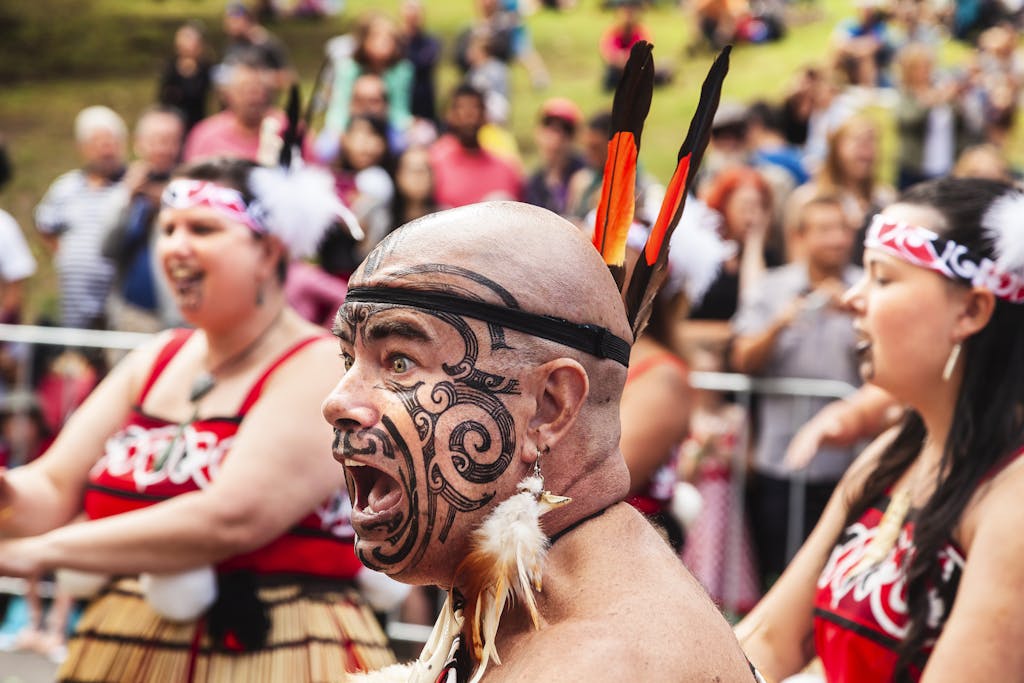
Oceania’s cultural revival movements offer some of the most powerful examples of how tourism can support cultural preservation. Maori cultural experiences in New Zealand and Aboriginal cultural tourism in Australia show how indigenous communities can control their cultural narrative while creating economic opportunities that support traditional practices.
Traveling Responsibly During Cultural Celebrations (Without Being That Tourist)
Let’s be honest. Most cultural tourism advice reads like a list of things you’re not allowed to do, which isn’t particularly helpful when you’re trying to navigate an unfamiliar cultural context.
The real key is understanding the difference between being respectful and being invisible.
Pre-travel research should focus on understanding context, not memorizing rules. Instead of googling “cultural dos and don’ts”, try to understand why certain celebrations exist and what they mean to the communities that practice them. Read about the historical background, the seasonal significance, and the contemporary challenges facing traditional practices.
Dress codes aren’t arbitrary, they’re visual languages that communicate respect and understanding. But this doesn’t mean you need to cosplay local traditions. Conservative, clean, and culturally appropriate clothing usually means covering shoulders and knees, avoiding revealing outfits, and choosing neutral colors unless specifically invited to wear ceremonial dress.
The photography situation is where most people mess up spectacularly. Sacred spaces and ceremonies often have specific protocols around photography, but these aren’t always obvious to outsiders. The safest approach is asking permission before photographing people, especially during religious or ceremonial activities. Many cultural celebrations have designated areas where photography is welcome and others where it’s completely inappropriate.

Supporting local economies goes way beyond buying souvenirs. Staying in locally-owned accommodations, eating at family-run restaurants, and hiring local guides creates a much bigger economic impact than spending the same amount at international chains. During festivals, local vendors often depend on visitor spending to fund community celebrations throughout the year.
Environmental impact becomes especially important during large cultural celebrations. Many traditional festivals have sustainability practices built into their structure, but tourist infrastructure often doesn’t. Bringing reusable water bottles, using public transportation when available, and following local waste management practices shows respect for both cultural values and environmental concerns.
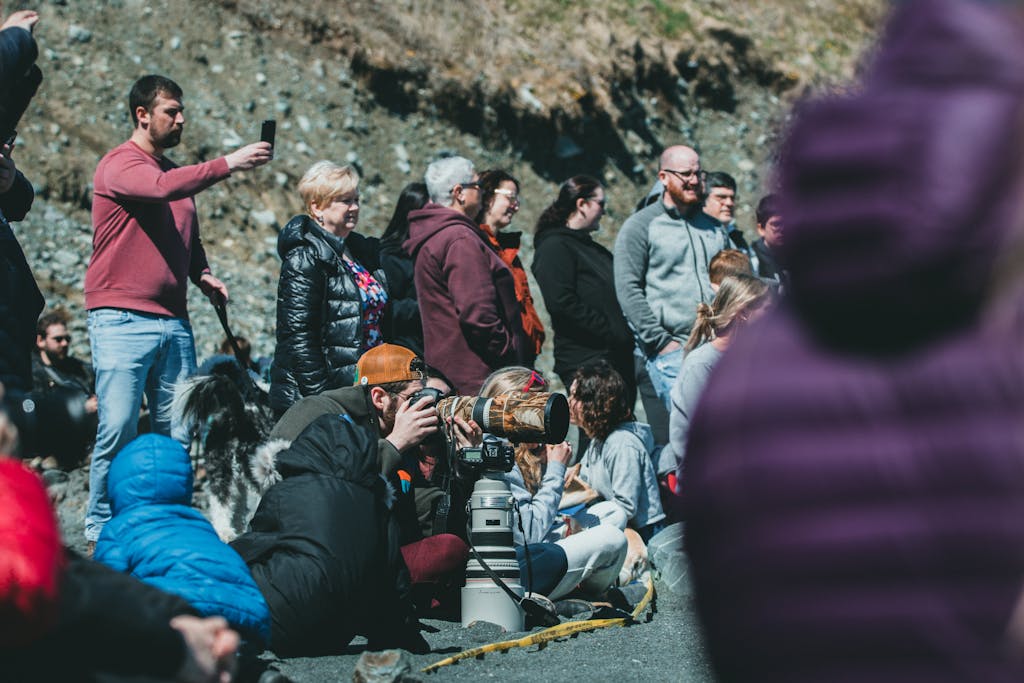
The most important thing is recognizing that you’re a guest, not the main character. Cultural celebrations exist for the communities that practice them – tourism benefits are secondary. Approaching cultural experiences with genuine curiosity rather than entitlement creates better experiences for everyone involved.
The Future of Sustainable Tourism Transformation: What’s Coming After 2025
Tourism transformation is evolving faster than most people realize, and the changes happening now will define how we travel for the next decade. Technology is creating new possibilities for cultural preservation and sharing, but it’s also raising questions about authenticity and access that we’re still figuring out how to answer.
🌍 Here or There
🥽 VR Cultural Experience
Sophisticated virtual reality providing cultural education from home
🤝 Real-World Immersion
Authentic in-person participation in living cultural traditions
Virtual reality cultural experiences are becoming sophisticated enough to provide meaningful cultural education, but they’re also raising the bar for what in-person cultural tourism needs to offer. Why travel across the world to have a superficial cultural experience when you can get a deeper understanding from home? This pressure is pushing destinations toward more authentic, participatory cultural offerings.
🔮 Future Trends
Climate adaptation of traditional celebrations
Younger travelers seeking skill-learning over sightseeing
Technology democratizing cultural tourism access
Increased focus on environmental impact
Climate change is forcing some traditional celebrations to adapt their timing and practices, which creates both challenges and opportunities for cultural tourism. Harvest festivals are shifting dates, monsoon-dependent celebrations are becoming less predictable, and winter traditions are adapting to shorter seasons. Smart cultural tourism operators are building flexibility into their offerings and helping travelers understand these changes as part of contemporary cultural experience.
Younger travelers are approaching cultural tourism completely differently than previous generations. They’re more interested in learning skills than collecting experiences, more concerned with impact than convenience, and more willing to invest time and money in authentic cultural exchange. This shift is creating demand for longer, deeper cultural tourism experiences that previous generations might have found too challenging or time-consuming.
The democratization of cultural tourism through social media and online platforms is creating opportunities for smaller communities to share their celebrations without relying on traditional tourism infrastructure. But it’s also creating new challenges around cultural appropriation and sustainable visitor management.
Looking ahead, successful sustainable tourism transformation will need to balance accessibility with authenticity, economic benefits with cultural preservation, and global interest with local control. The destinations that figure out this balance will create the cultural tourism experiences that define the next era of meaningful travel.
World Tourism Day’s Real Legacy: Travel That Actually Matters
World Tourism Day 2025 represents more than just another awareness campaign; it’s a recognition that tourism has reached a crossroads where the old models of endless growth simply don’t work anymore. The theme of “Tourism and Sustainable Transformation” acknowledges that
the future belongs to travel that creates genuine cultural exchange, supports community development, and preserves traditions while allowing them to evolve naturally.
The most successful cultural tourism experiences happen when visitors understand they’re participating in something larger than their own entertainment. Whether that’s joining a harvest celebration in rural Italy, participating in a traditional ceremony in Bali, or learning traditional crafts from indigenous artisans in the Amazon, meaningful cultural tourism requires both curiosity and humility.
What makes cultural celebrations so powerful for sustainable tourism isn’t their exotic appeal. It’s their ability to demonstrate human creativity, resilience, and community. These celebrations exist because communities choose to maintain them, often in the face of economic pressure and cultural change. Tourism that supports these choices creates experiences that benefit everyone involved.
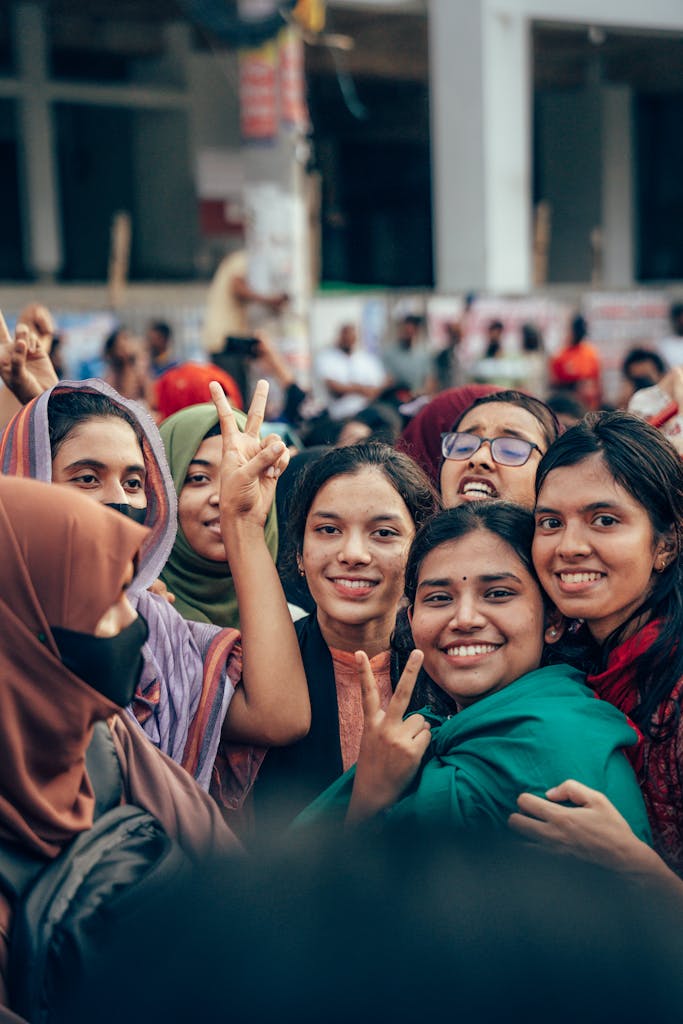
The best cultural tourism experiences are often the ones that challenge travelers’ expectations and assumptions. They’re messy, unpredictable, and occasionally uncomfortable, but they’re also transformative in ways that perfectly planned itineraries rarely achieve. They force us to confront our own assumptions about what travel should be and what other cultures owe us as visitors.
As we celebrate World Tourism Day 2025, the question isn’t whether tourism will continue to grow, it’s whether we’ll choose the version that preserves and celebrates cultural diversity while supporting sustainable transformation, or the one that turns everything into a theme park. The choice is ours, one trip at a time.