Picture this: millions of people across Asia simultaneously losing their minds over a big white circle in the sky, while eating pastries that cost more than your rent and setting things on fire in the name of tradition. Welcome to the Mid-Autumn Festival, folks!
3,000-year-old tradition that makes Black Friday look calm
and organized
This isn’t your average harvest celebration where people politely admire pumpkins. We’re talking about a 3,000-year-old tradition that makes Black Friday look calm and organized. Every September (or early October, because lunar calendars are basically astrology for farmers), entire cultures pause their relentless pursuit of WiFi passwords to honor a celestial body that’s been photobombing Earth since day one.
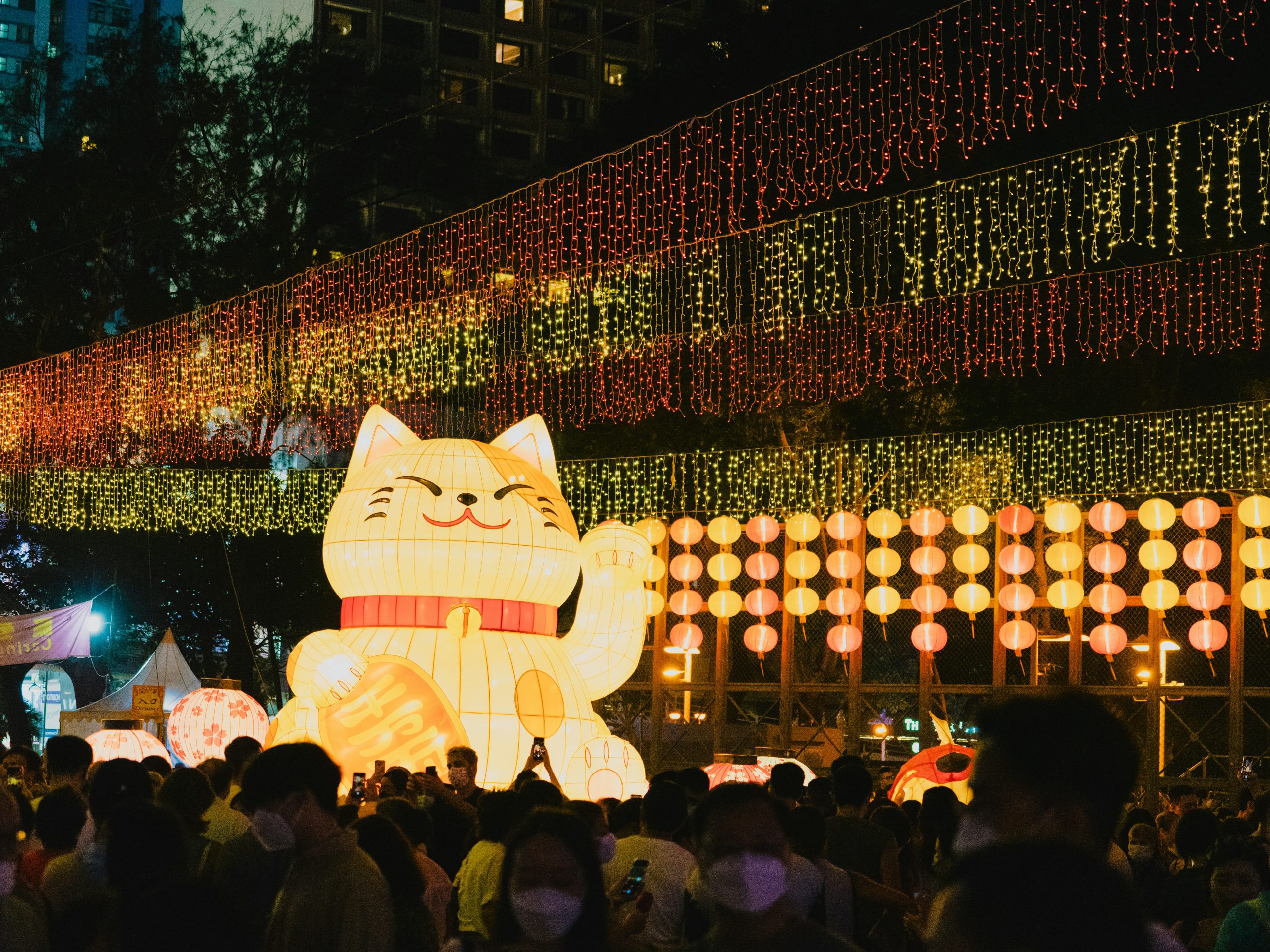
Here’s the thing about this ancient festival: it’s like someone took Instagram, mixed it with astronomy, then handed the whole thing over to pastry chefs with serious commitment issues. Whether you’re planning to dive headfirst into the festivities or just trying to figure out why your Asian coworkers suddenly become poets when discussing moon phases, buckle up. This journey goes way beyond those surface-level mooncake photos flooding your social feeds.
Chang’e’s Drama Club: Ancient Mythology That Started This Whole Moon Obsession
Let me tell you, Chang’e has got to be history’s most successful influencer. This moon goddess basically convinced half of Asia to throw annual parties in her honor, and she didn’t even need a TikTok account.
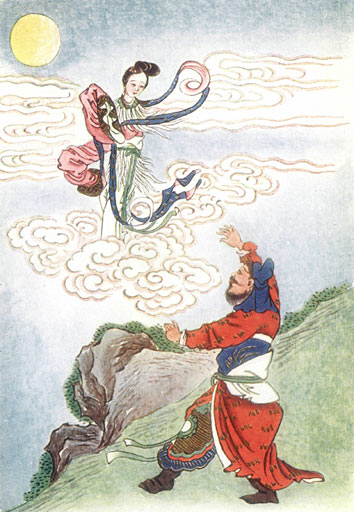
The classic tale goes something like this: Chang’e’s husband Hou Yi was basically ancient China’s version of a superhero archer who shot down nine suns (talk about overachieving). As a reward, he got an immortality pill, but Chang’e decided to take it herself and floated up to the moon. Now she’s stuck there forever with only a jade rabbit for company, which honestly sounds like the plot of a really weird indie film.
But here’s where it gets interesting. Every culture that celebrates this festival has their own spin on the story. Vietnamese traditions focus more on the children’s aspect, turning it into a massive kids’ celebration called Tết Trung Thu. Korean versions tie it into Chuseok, their harvest thanksgiving that’s basically Christmas-level important for family reunions.
The agricultural roots run deep here. Ancient farmers tracked lunar cycles like their lives depended on it (spoiler alert: they did). The full moon in the eighth lunar month marked harvest time, when families would gather to celebrate another year of not starving. Pretty solid reason for a party if you ask me.
🌕 The Evolution of Moon Worship
3000+ Years Ago
Ancient moon worship rituals begin
Tang Dynasty
Festival becomes officially recognized
Modern Era
Global celebration with digital adaptations
Archaeological evidence suggests these moon worship rituals date back over 3,000 years. Ancient Chinese texts describe elaborate ceremonies where emperors would literally schedule meetings with the moon. Imagine trying to explain that to your boss today: “Sorry, can’t make the conference call, I’ve got a prior commitment with a celestial body.”
Mooncakes: When Pastry Becomes Performance Art (And Your Wallet Cries)

Alright, let’s talk about mooncakes, because these little discs of controversy deserve their own therapy session. Traditional mooncakes are dense, sweet pastries filled with lotus seed paste, salted egg yolks, or red bean paste. They’re meant to represent the full moon, but honestly, they’re more like edible art projects that happen to be incredibly rich.
The symbolism is beautiful; the round shape represents completeness and family unity. But the reality? These things are calorie bombs disguised as gifts. A single traditional mooncake can pack 800-1000 calories. That’s like eating three hamburgers while pretending it’s a delicate cultural experience.
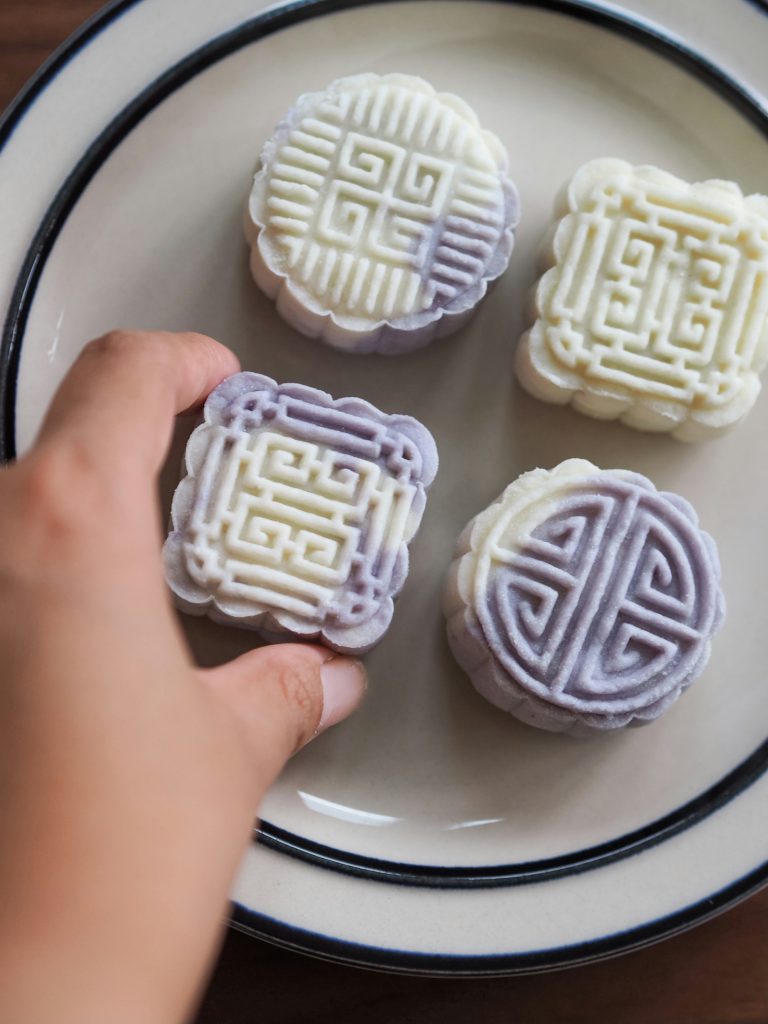
Here’s where modern innovation gets absolutely wild. Ice cream mooncakes hit the scene in the 1980s and suddenly everyone’s grandmother was questioning everything she knew about tradition. Now you’ve got chocolate mooncakes, green tea versions, even vegan options that somehow still taste like they’re judging your life choices.
The gifting culture around mooncakes is intense. We’re talking luxury boxes that cost $100+ for four pastries. Companies give them to business partners, families exchange them like currency, and somehow everyone ends up with more mooncakes than they could eat in a lifetime. The secondary mooncake market is real, people literally resell these things online.
Regional variations tell their own stories. Cantonese-style mooncakes are the classic dense versions. Suzhou-style ones have flaky pastry layers. Snow skin mooncakes stay soft and are served cold. It’s like each region decided traditional wasn’t complicated enough and added their own plot twist.
Pro tip: Share them. These aren’t individual portions unless you’re training for extreme eating.
Lantern Mania: When Entire Cities Become Fire Hazards in the Name of Beauty
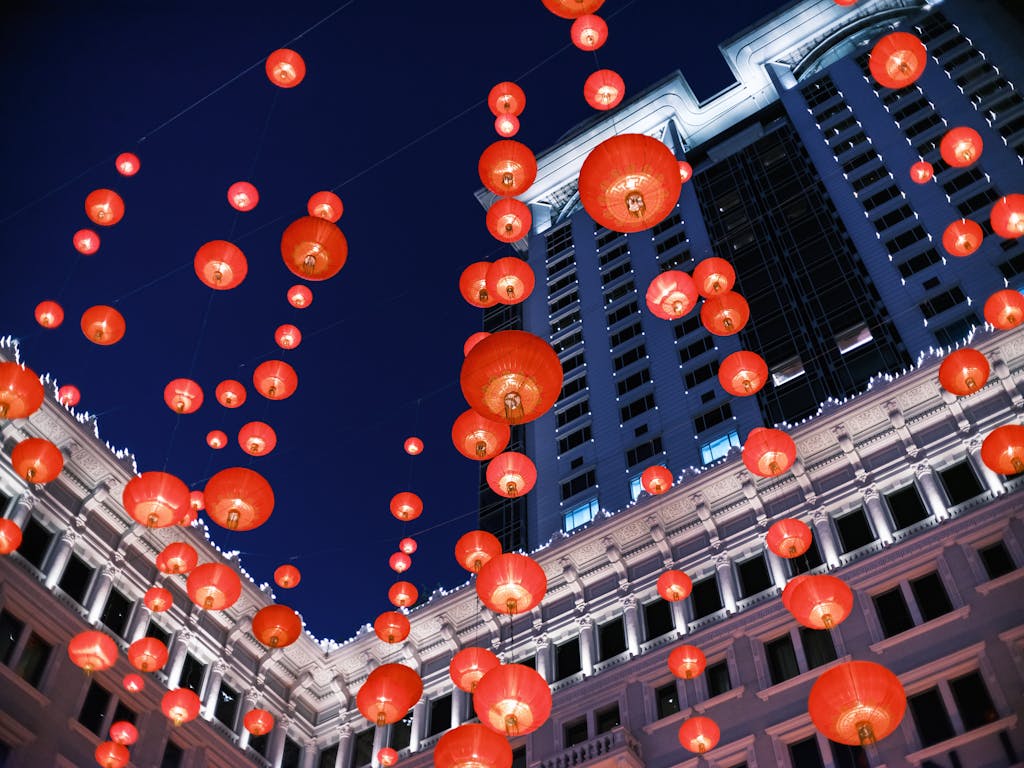
The lantern situation during Mid-Autumn Festival is absolutely bonkers, and I mean that in the best possible way. We’re talking thousands of handmade paper creations lighting up the night like someone decided to redecorate the sky.

Traditional lantern making is serious business. Red paper symbolizes good fortune, yellow represents prosperity, and intricate cut-out designs tell stories or display wishes. Families spend weeks crafting these things, and watching kids parade around with homemade lanterns is honestly one of the purest sights you’ll ever witness.
But then you’ve got the large-scale celebrations that make Times Square look understated. Singapore’s lantern festival turns Gardens by the Bay into something that looks like aliens decided to throw a rave. Hong Kong’s Victoria Park becomes a sea of glowing art installations. Taiwan’s Pingxi district releases thousands of sky lanterns that drift across the mountains like escaped stars.

Sky lantern releases are magical but controversial. These biodegradable paper balloons carry wishes written on their sides, but environmental groups aren’t thrilled about the cleanup. Some places have banned them entirely, while others have designated release areas with cleanup crews standing by.

The safety aspect is no joke either. Fire departments go on high alert during festival season. Mixing crowds, paper, and open flames requires some serious crowd control. Most organized events now use LED lights instead of real candles, which honestly makes sense but feels a bit like putting training wheels on tradition.
DIY lantern making has become huge on social media. YouTube tutorials show everything from simple paper bag versions to elaborate dragon designs. The satisfaction of creating your own lantern and watching it glow among thousands of others? That’s the kind of magic that smartphones can’t quite capture.
The Continental Tour: How Different Countries Made This Festival Their Own
China: Where Family Guilt Meets Moon Worship
Chinese Mid-Autumn Festival is basically Thanksgiving with better lighting. Family reunions are mandatory, not optional. If you’re not home for moon viewing, you better have a really good excuse ready for the guilt trip that’s coming your way.
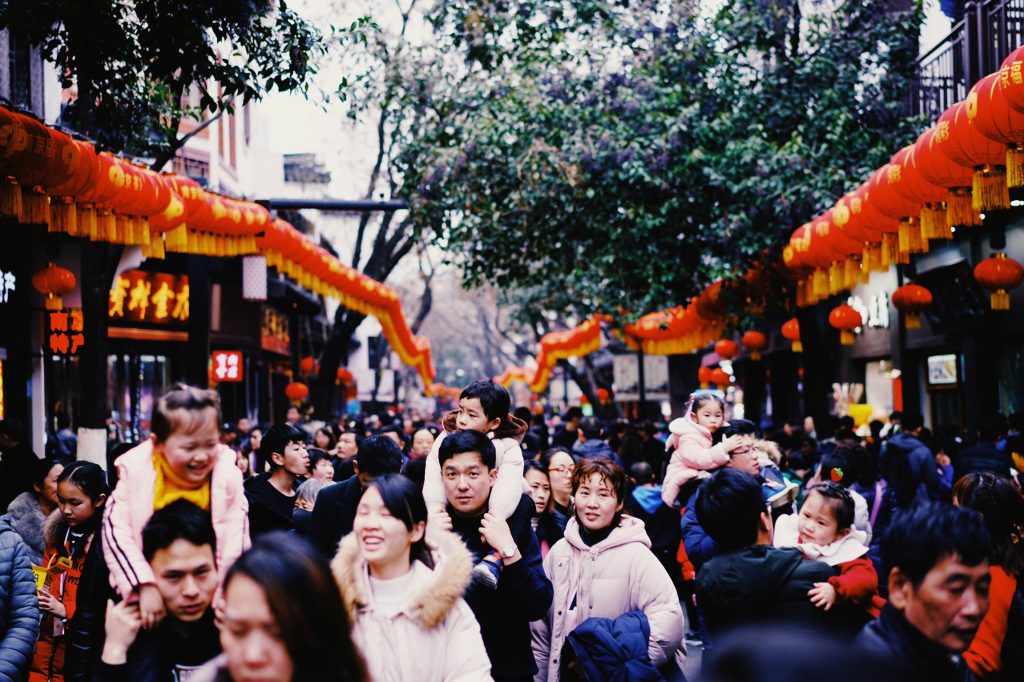
Moon viewing parties happen on rooftops, in parks, basically anywhere with a clear sky view. Traditional foods include pomelos (those massive citrus fruits), osmanthus wine, and enough mooncakes to stock a small bakery. Regional customs vary wildly: northern China focuses more on the harvest aspect, while southern regions go all-out with lantern displays.
The commercial side has exploded. Shopping malls create elaborate moon-themed decorations, luxury hotels offer special viewing packages, and everyone’s trying to outdo last year’s Instagram posts. But underneath all the commercialization, the core tradition remains: families gathering to appreciate the full moon together.
Vietnam: When Kids Rule the Festival
Vietnamese Tết Trung Thu flips the script entirely: this is the children’s festival. Kids are the stars, not the side characters dragged along to adult moon-gazing sessions.
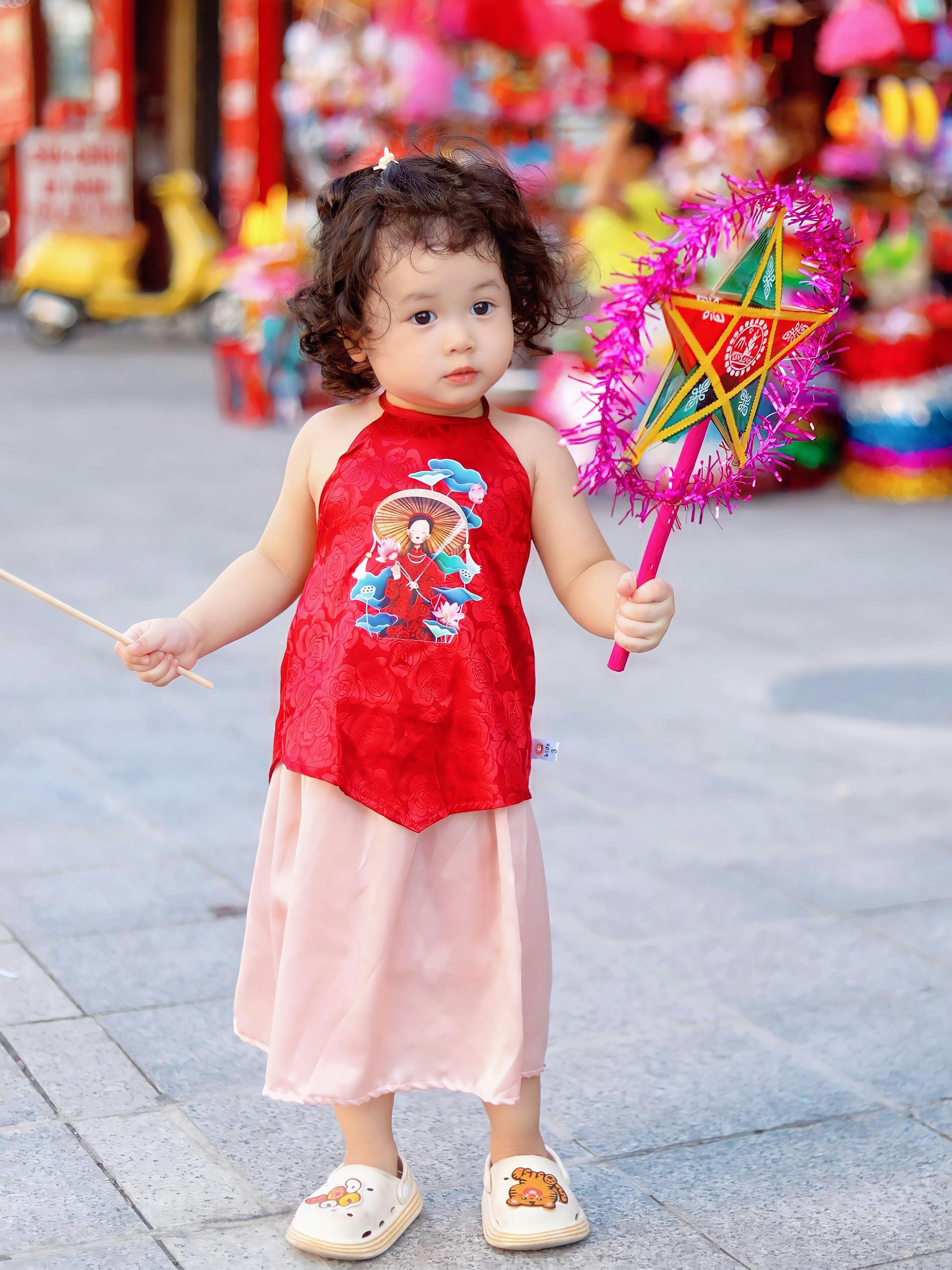
Traditional lion dances weave through neighborhoods, but here’s the twist: children often perform them. Star-shaped lanterns called “đèn ông sao” are everywhere, and kids parade through streets carrying elaborate creations. Mooncakes are still important, but so are toys, performances, and elaborate costumes.
The storytelling tradition is huge. Vietnamese versions of the Chang’e legend often focus more on kindness and children’s virtues. It’s like someone took the ancient mythology and ran it through a filter of “how can we make this more fun for kids?”
Korea: Harvest Gratitude with Serious Family Vibes
Korean Chuseok takes the family reunion aspect and cranks it up to eleven. This is a three-day national holiday where basically the entire country goes home to honor ancestors and share traditional foods.

Songpyeon (half-moon shaped rice cakes) replace mooncakes as the signature food. Families make them together, stuffing them with sweet fillings and steaming them over pine needles for that distinctive aroma. The half-moon shape represents the hope for growth and prosperity.
Ancestor rituals called “charye” are central to Chuseok. Families prepare elaborate food offerings and perform ceremonies to honor deceased relatives. It’s deeply spiritual but also incredibly practical – everyone knows their role, from the eldest son leading ceremonies to the youngest helping with preparations.
Singapore/Malaysia: Multicultural Moon Madness
Southeast Asian celebrations blend Chinese traditions with local influences, creating something entirely unique. Chinatown transforms into lantern wonderlands, but you’ll also find Malay and Indian families participating in the festivities.

Night markets explode with activity. Traditional mooncakes share space with local adaptations: pandan-flavored versions, durian fillings that locals love and tourists fear. The food fusion is incredible: imagine traditional Chinese festival foods meeting Malaysian street food creativity.
The multicultural aspect means different communities celebrate differently but often together. It’s not uncommon to see Malay families joining Chinese lantern parades or Indian families sharing mooncakes with neighbors. The festival becomes this beautiful example of cultural blending.
Digital Age Moon Worship: How Ancient Traditions Survived Instagram
Modern Mid-Autumn Festival celebrations are fascinating studies in tradition meeting technology. Social media has completely transformed how people experience and share the festival, but surprisingly, it’s mostly enhanced rather than replaced traditional practices.
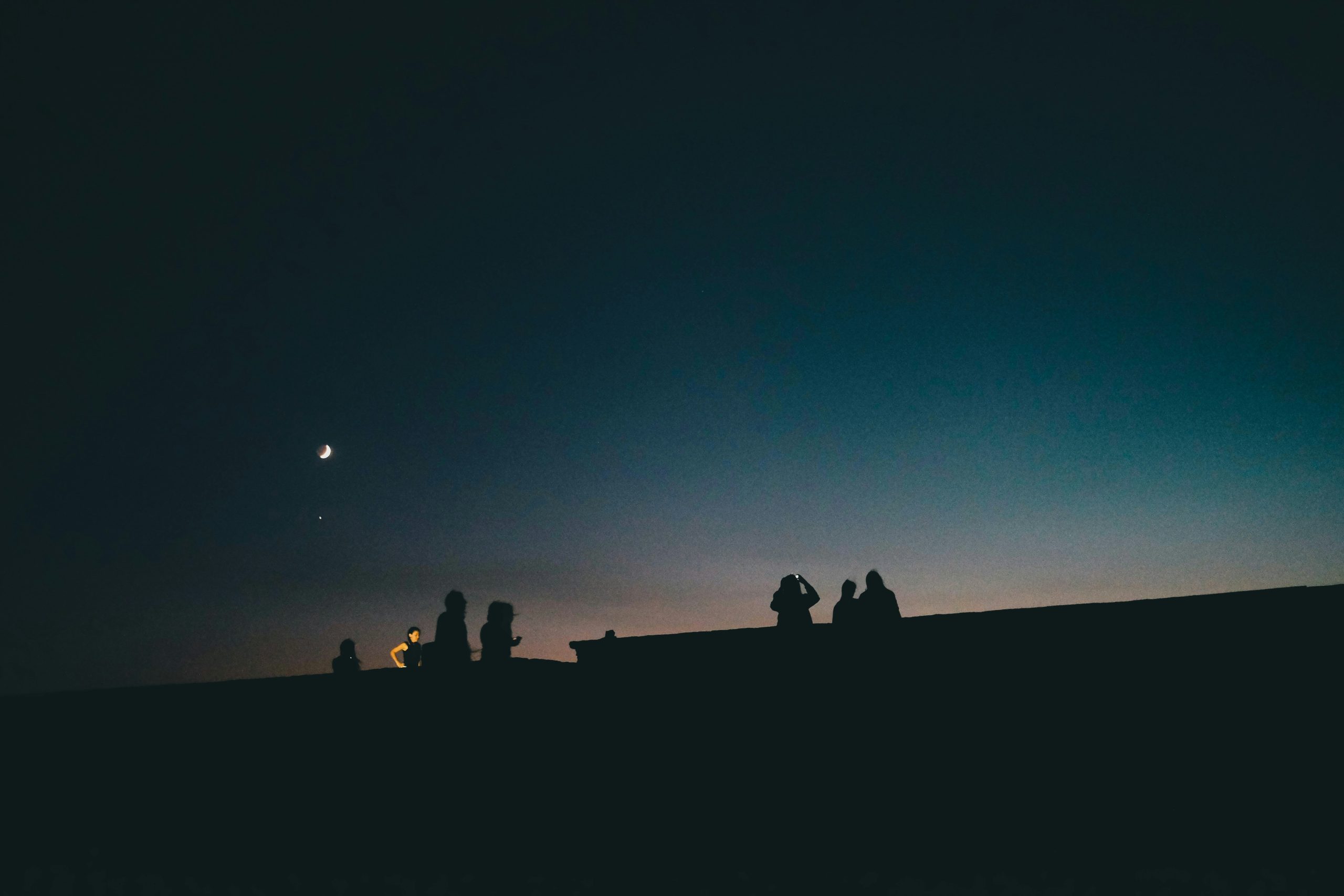

Urban moon viewing has become an art form. City dwellers scout rooftop bars, observation decks, and parks with the best views. Apps track moon phases and optimal viewing times. Some cities even create designated “moon viewing zones” with reduced light pollution.
COVID-19 forced massive adaptations that have stuck around. Virtual family reunions became normal, with families sharing moon viewing sessions over video calls. Online mooncake delivery services exploded. Digital lantern displays replaced some physical gatherings, but people found ways to maintain the communal spirit.
The Instagram effect is real. Everyone wants that perfect moon and lantern shot. But interestingly, this has led to more people actually participating in traditions they might have skipped otherwise. When your festival activities become social media content, suddenly you’re more invested in making them special.
📊 Social Media Impact
# Festival hashtag engagement increases 300% during celebration season
# Virtual family reunions became the new normal post-COVID
Corporate celebrations have evolved too. Companies organize team moon viewing events, sponsor community lantern festivals, and create elaborate office decorations. It’s become a legitimate part of workplace culture in many Asian countries.
Fusion celebrations in Western cities with large Asian populations are particularly interesting. Communities adapt traditions to local contexts: park permits replace family courtyards, LED lanterns replace fire hazards, and potluck dinners include both traditional foods and local favorites.
Your Festival Survival Guide: From Tourist to Temporary Local Timing and Planning
✅ Festival Planning Essentials
Calendar
Cultural etiquette guide
Budget breakdown
Packing checklist
Timing and Planning
Mid-Autumn Festival follows the lunar calendar, so dates shift annually. In 2026, it falls on September 25th, but celebrations often span several days. Mark your calendar early because accommodation prices skyrocket in popular destinations.
The best celebrations happen in the evening, obviously, since moon viewing is the main event. Lantern festivals typically run from sunset until late night. Family celebrations often include afternoon preparation followed by evening festivities.
Top Destinations for Authentic Experiences
Hong Kong’s Victoria Park hosts one of the world’s largest lantern displays. The contrast between skyscrapers and traditional lanterns is surreal. Victoria Harbor offers stunning moon viewing with the skyline backdrop, but expect crowds.
Singapore’s Gardens by the Bay and Chinatown create elaborate installations that blend traditional and modern elements. The multicultural aspect means you can experience different celebration styles within the same city.
Pingxi in Taiwan offers the iconic sky lantern experience, but book early and prepare for crowds. The mountain setting is gorgeous, but the logistics can be challenging.
For a more intimate experience, consider smaller cities or towns. Rural celebrations often feel more authentic and less commercialized, though they might lack the spectacle of major tourist destinations.
Cultural Etiquette and Respectful Participation
Family celebrations are typically private affairs, but many communities welcome respectful observers. If invited to join a family gathering, bringing mooncakes or fruit shows appreciation. Don’t expect to understand every tradition immediately; ask questions respectfully.
Photography etiquette matters. Lantern festivals are usually photo-friendly, but family ceremonies might be more private. When in doubt, ask permission.
Food sharing is common, but dietary restrictions can be challenging. Traditional mooncakes contain eggs, nuts, and often lard. Many celebration foods are sweet or unfamiliar to Western palates. It’s okay to politely decline, but try to participate in the spirit of the celebration.
Budget Considerations
Festival seasons mean higher prices for everything. Budget accordingly for accommodation, food, and activities. However, many celebrations are free public events: lantern displays, moon viewing gatherings, and cultural performances often don’t charge admission.
Mooncake prices vary wildly. Tourist areas charge premium prices, while local bakeries offer more reasonable options. Consider buying them as gifts rather than personal consumption; the cultural experience matters more than eating every single one.
Practical Tips
Weather can be unpredictable during autumn festival season. Pack layers and rain gear. Outdoor celebrations continue despite weather, but comfort levels vary dramatically.
Transportation becomes chaotic during major celebrations. Plan extra time for travel, book rides in advance, or consider walking if possible. Many cities add public transportation during festival nights.
Crowds are inevitable at popular locations. Arrive early for better positions, bring patience, and have backup plans. Sometimes the best experiences happen away from the main crowds anyway.
Beyond the Pretty Pictures: What This Festival Really Means
Strip away the commercialization, the tourist crowds, and the social media spectacle, and Mid-Autumn Festival reveals something profound about human nature. This celebration has survived invasions, revolutions, modernization, and globalization because it addresses fundamental human needs that technology can’t replace.
🌏 Global Impact
Environmental awareness
Cultural preservation
Economic impact
Generational bridge-building
The environmental symbolism resonates differently in our climate-conscious era. Ancient farmers celebrated harvest abundance, but modern celebrations increasingly acknowledge our relationship with natural cycles. Moon phases remind us that some rhythms exist beyond human control, which feels revolutionary in our always-on world.
Cultural preservation efforts among diaspora communities show the festival’s adaptability. Chinese-Americans in San Francisco, Korean-Australians in Sydney, and Vietnamese-Canadians in Toronto all maintain festival traditions while adapting to local contexts. These celebrations become bridges between generations and cultures.
The economic impact extends beyond tourism. Local businesses depend on festival seasons, artisans create traditional crafts year-round, and entire supply chains exist around mooncake production. In some regions, festival success significantly impacts annual economic performance.
Family dynamics during festival time reveal interesting generational tensions. Younger generations might prefer modern lanterns over handmade versions, or fusion mooncakes over traditional ones. But the core gathering remains important across age groups, suggesting some traditions transcend generational preferences.
The future evolution of Mid-Autumn Festival will likely balance preservation with innovation. Virtual reality moon viewing experiences, sustainable lantern materials, and global celebration coordination through technology seem inevitable. But the essence, people gathering to appreciate beauty and maintain connections, will probably remain unchanged.
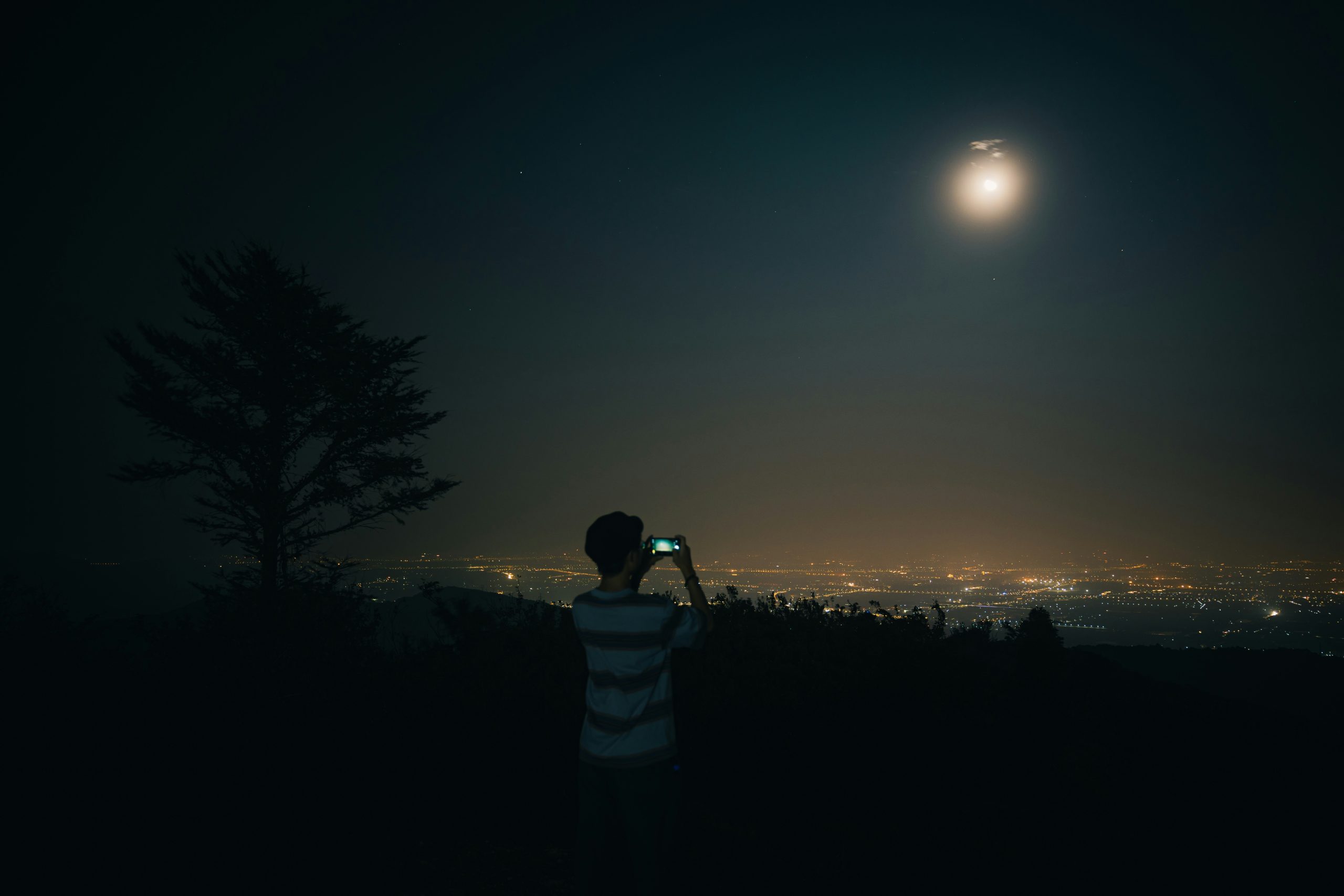
Whether you’re planning to join millions in collective moon-gazing or simply curious about why entire cultures pause for celestial appreciation, Mid-Autumn Festival offers something rare: a tradition that celebrates beauty, family, and the rhythms of nature without requiring you to buy anything, believe anything specific, or be anyone other than yourself. In our complicated world, that simplicity feels almost revolutionary.
So this September, consider stepping outside, looking up at the same moon that inspired celebrations for millennia, and joining the longest-running party in human history. Your Instagram followers will appreciate the content, but your soul might appreciate the connection even more.